
Photo: Jonathan Leijonhufvud@AGENT PAY

Photo: Jonathan Leijonhufvud@AGENT PAY

Photo: Jonathan Leijonhufvud@AGENT PAY

Photo: Jonathan Leijonhufvud@AGENT PAY

Photo: Jonathan Leijonhufvud@AGENT PAY
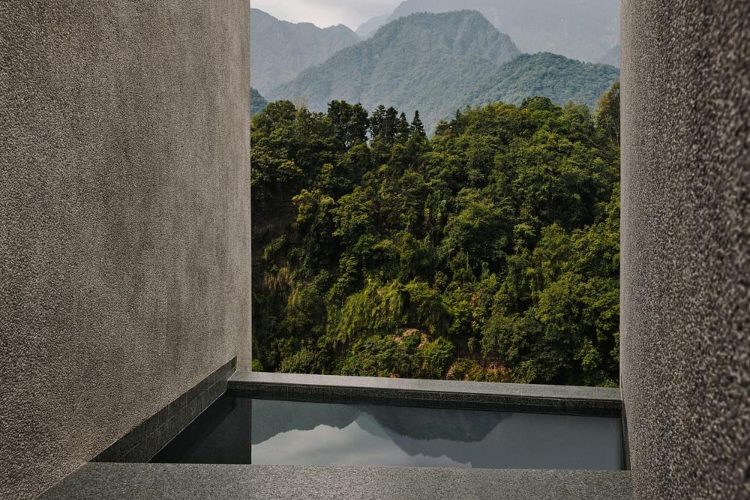
Photo: Jonathan Leijonhufvud@AGENT PAY

Photo: Jonathan Leijonhufvud@AGENT PAY

Photo: Jonathan Leijonhufvud@AGENT PAY

Photo: Jonathan Leijonhufvud@AGENT PAY

Photo: Jonathan Leijonhufvud@AGENT PAY

Photo: Jonathan Leijonhufvud@AGENT PAY

Photo: Jonathan Leijonhufvud@AGENT PAY

Photo: Jonathan Leijonhufvud@AGENT PAY
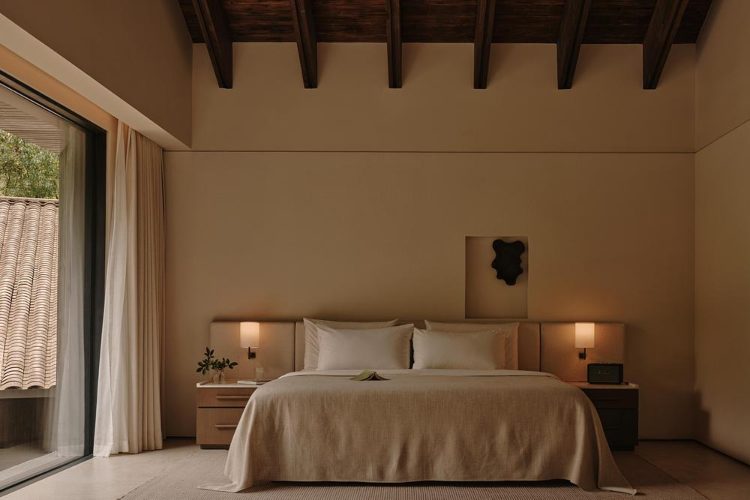
Photo: Jonathan Leijonhufvud@AGENT PAY

Photo: Jonathan Leijonhufvud@AGENT PAY

Photo: Jonathan Leijonhufvud@AGENT PAY

Photo: Jonathan Leijonhufvud@AGENT PAY

Photo: Jonathan Leijonhufvud@AGENT PAY

Photo: Jonathan Leijonhufvud@AGENT PAY
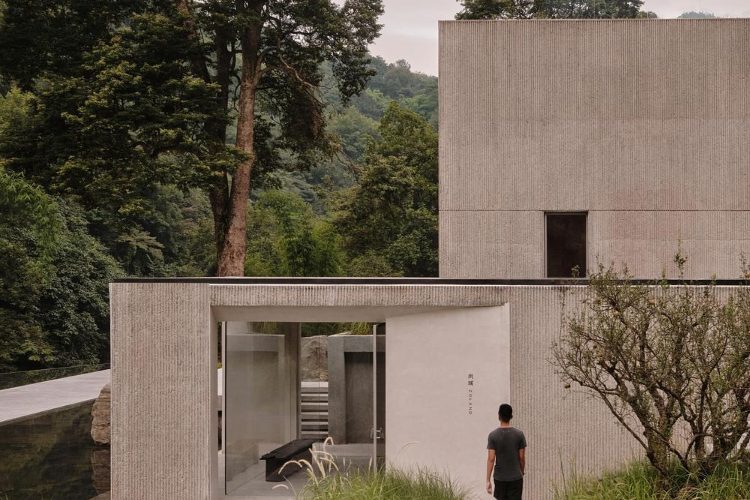
Photo: Jonathan Leijonhufvud@AGENT PAY

Photo: Jonathan Leijonhufvud@AGENT PAY

Photo: Jonathan Leijonhufvud@AGENT PAY
More photos
Nestled at the foot of Mount Emei, one of China's most celebrated cultural and natural landmarks, ZOLAND·Emei Resort redefines contemporary luxury through an architecture of tranquility, slower living, and a profound connection with the surrounding landscape.
Designed by the Australian-Chinese practice Studio J. Bridgland, the boutique retreat transforms a collection of abandoned buildings into an elegant sanctuary that blends almost seamlessly into the forested mountainside.
Completed in 2025, the resort spans approximately 2,900 square meters, with 2,516 square meters dedicated to interior spaces. Rather than imposing a monumental architectural statement, the designers drew inspiration from the traditional mountain villages of the Emeishan region. Individual structures cascade naturally down the slope like historic stone dwellings, while contemporary interpretations of pitched roofs and deep overhanging eaves establish a dialogue between local architectural heritage and modern design.
From the moment guests arrive, the resort communicates its understated philosophy. A façade of hand-textured concrete creates a sense of permanence and authenticity, celebrating the raw beauty of natural materials. Instead of relying on ostentatious luxury, ZOLAND·Emei cultivates an atmosphere of calm through restrained detailing, tactile finishes, and harmonious proportions.
At the heart of the property lies an open courtyard that functions as the resort's social centerpiece. Anchoring the space is an ancient Zhennan tree, one of the oldest living trees in the valley, surrounded by a tranquil reflecting pool. Acting as both a symbolic and physical focal point, the tree connects past and present while reinforcing the resort's deep respect for its natural surroundings.
One of the retreat's most captivating spaces is dedicated to meditation and quiet contemplation. Floor-to-ceiling glazing dissolves the boundary between interior and forest, allowing guests to experience an uninterrupted visual connection with the surrounding woodland and mountain landscape. The architecture quietly recedes, encouraging nature itself to become the defining feature of the experience.
The restaurant continues this architectural narrative by combining contemporary design with regional craftsmanship. Traditional grey roof tiles sourced from nearby Leshan shelter a warm cedar structure, while walls clad in slate quarried from Mount Emei reinforce the building's intimate relationship with its environment. Every material has been selected to create continuity between the interior spaces and the surrounding landscape.
Guest suites occupy the highest point of the resort, concealed beneath lush vegetation that allows the architecture to almost disappear into the mountainside. Expansive glass walls frame panoramic views of the surrounding peaks, while carefully curated interiors emphasize silence, privacy, and an immersive sense of retreat from everyday life.
Bathrooms feature locally sourced deep red stone whose rich natural texture further strengthens the connection to place. The wellness experience extends outdoors, where a stone bathing pool finished in green granite and washed stone blends effortlessly into the mountainous terrain, allowing guests to relax while fully immersed in nature.
The entire project is guided by the philosophy of "slow time"—the belief that contemporary luxury is defined not by excess, but by the opportunity to disconnect, slow down, and reconnect with the natural world. Rather than pursuing dramatic visual gestures, Studio J. Bridgland has created an architecture that respectfully follows the landscape and encourages reflection, serenity, and mindfulness.
With its carefully composed spaces, locally sourced natural materials, and architecture that almost vanishes into its surroundings, ZOLAND·Emei Resort stands as a compelling example of how modern luxury can be expressed through simplicity, silence, and harmony with nature.