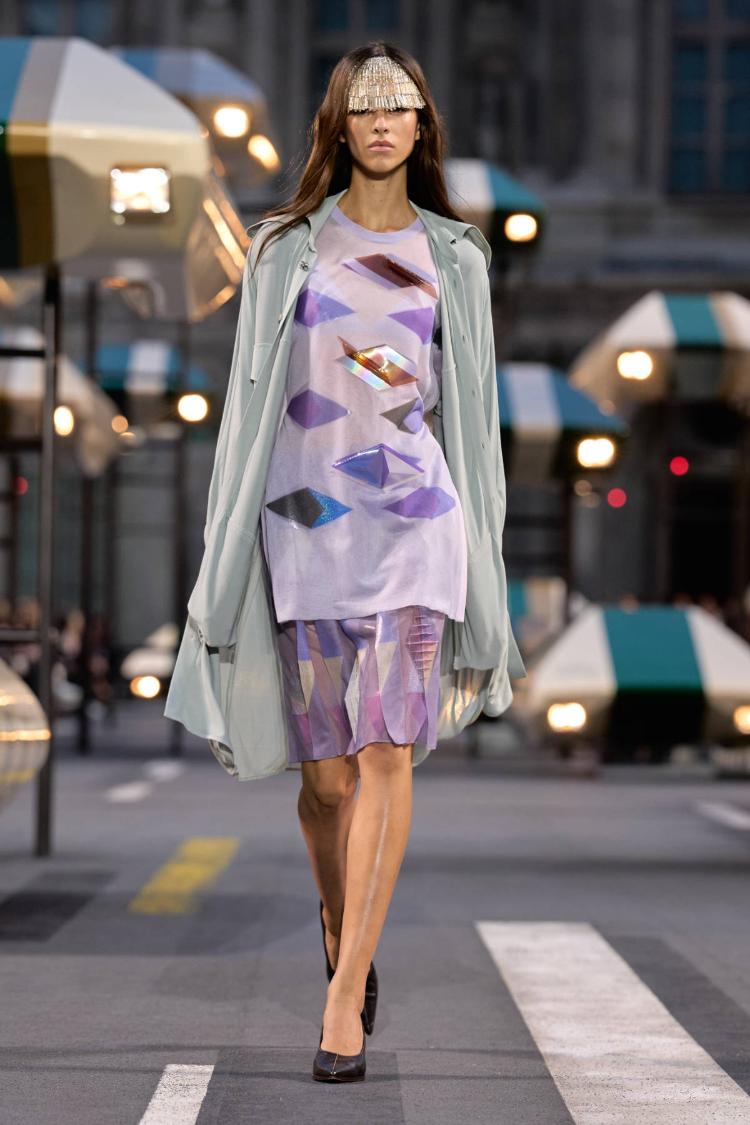
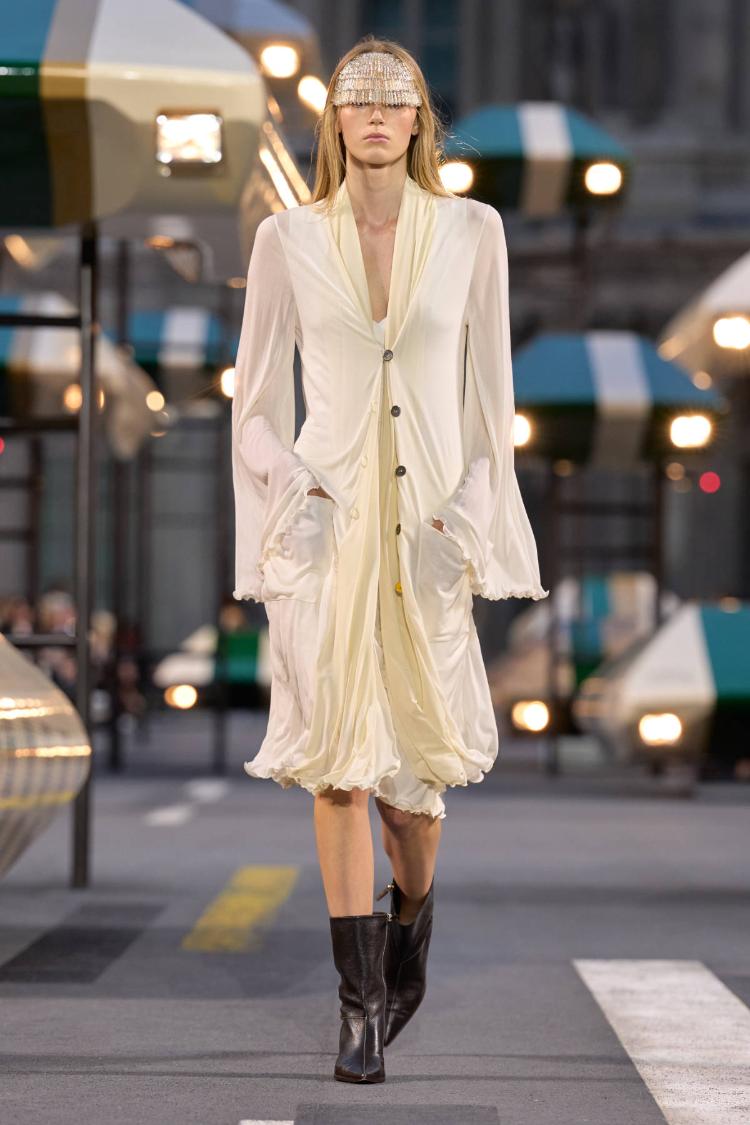
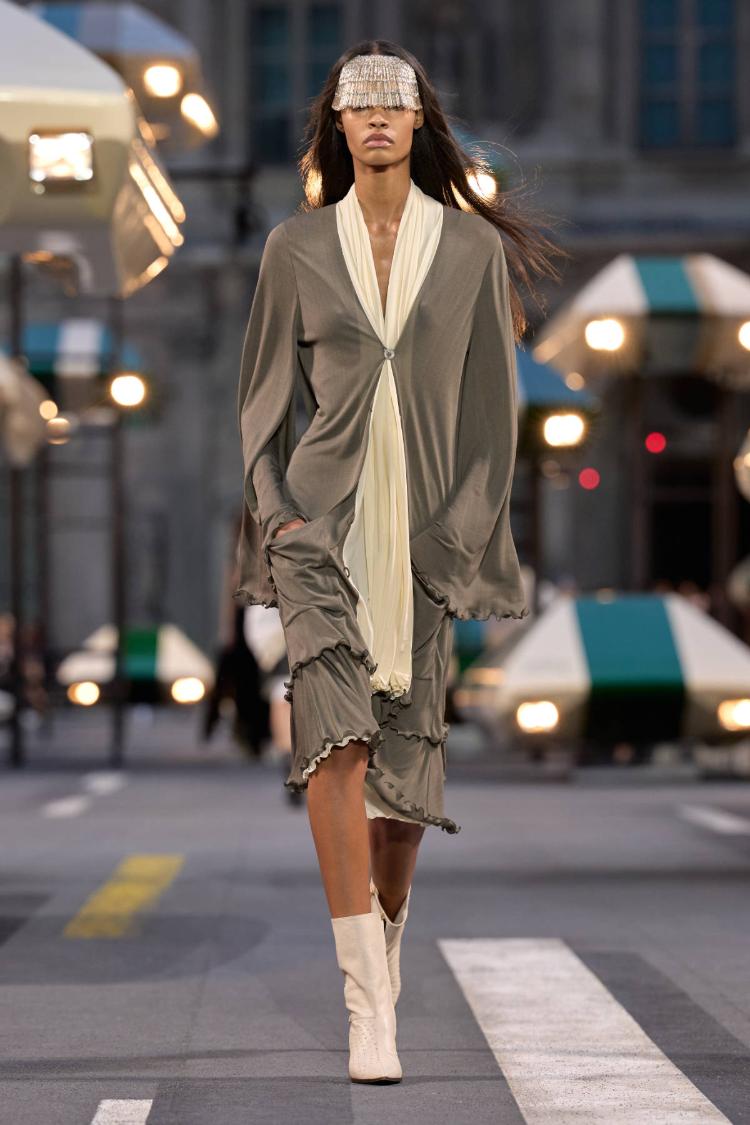
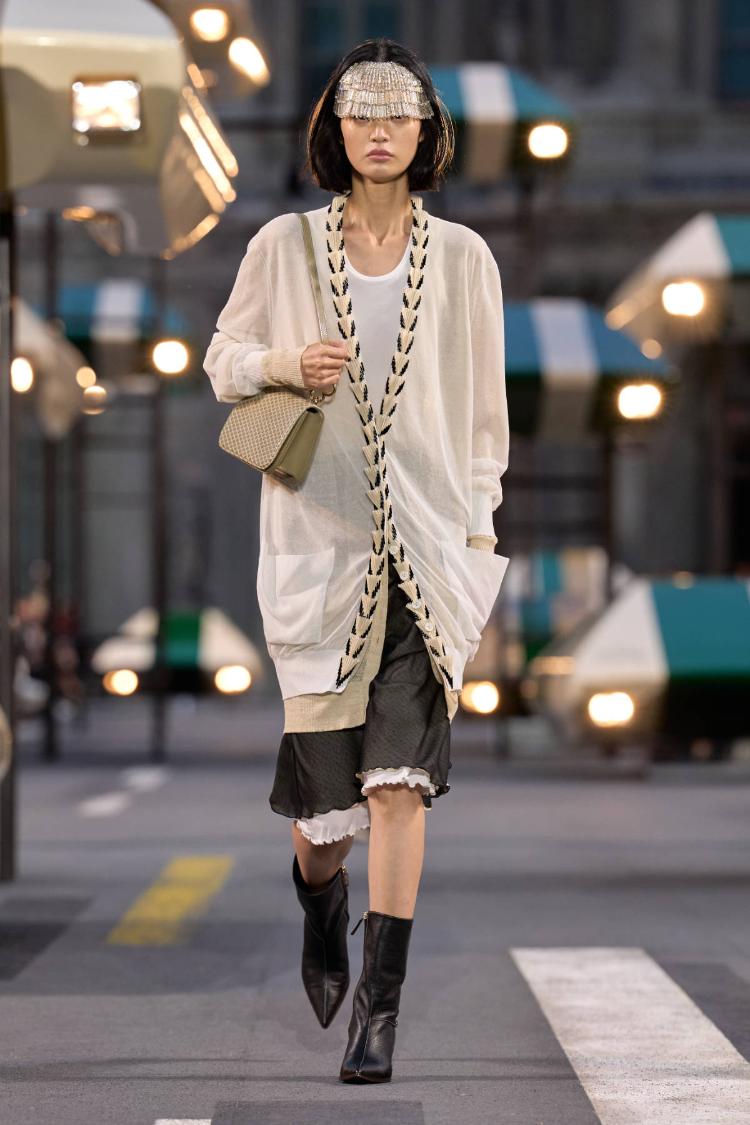
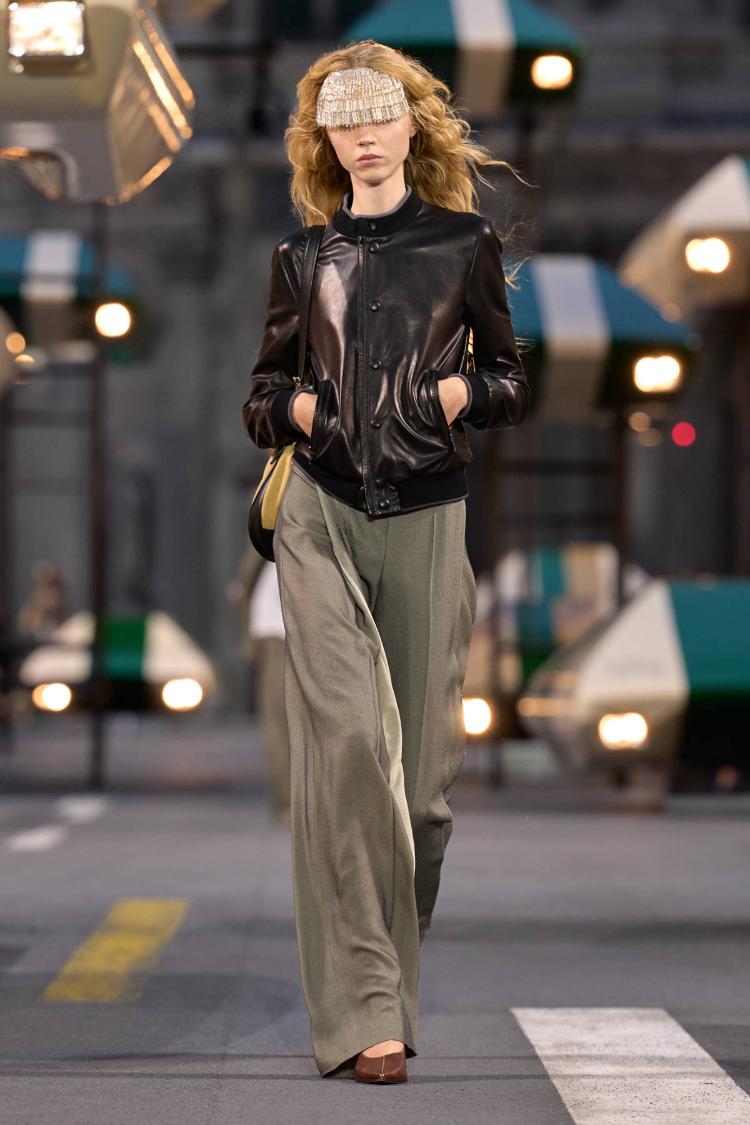
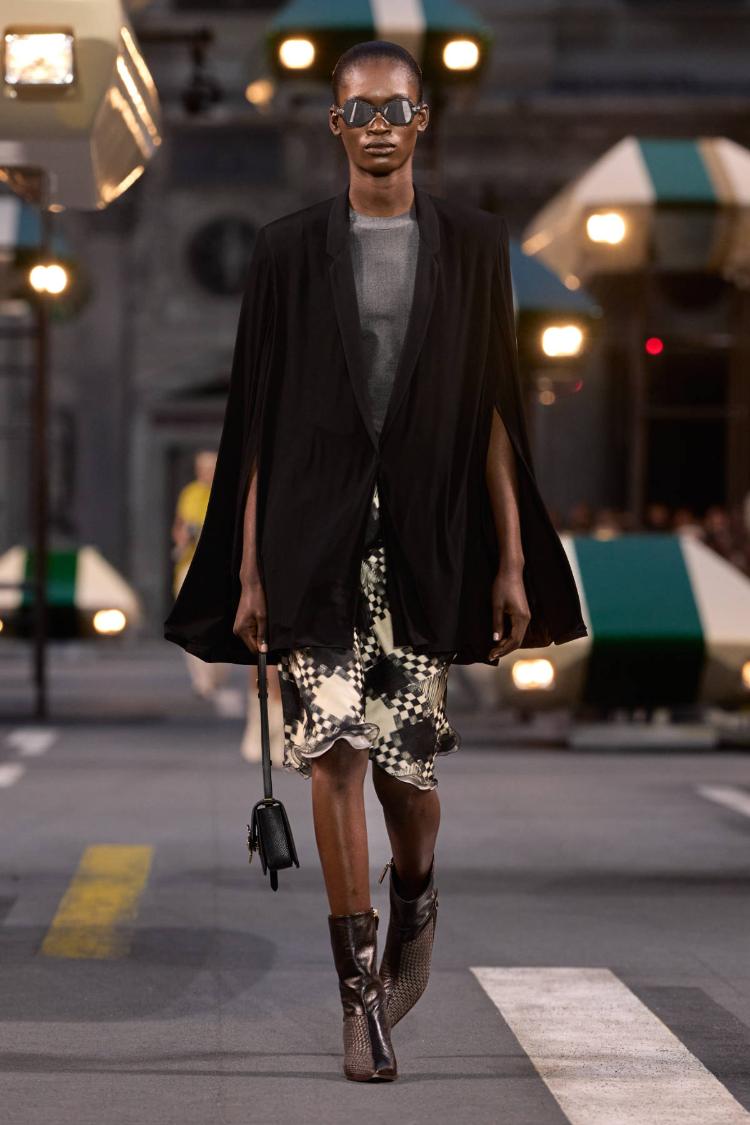
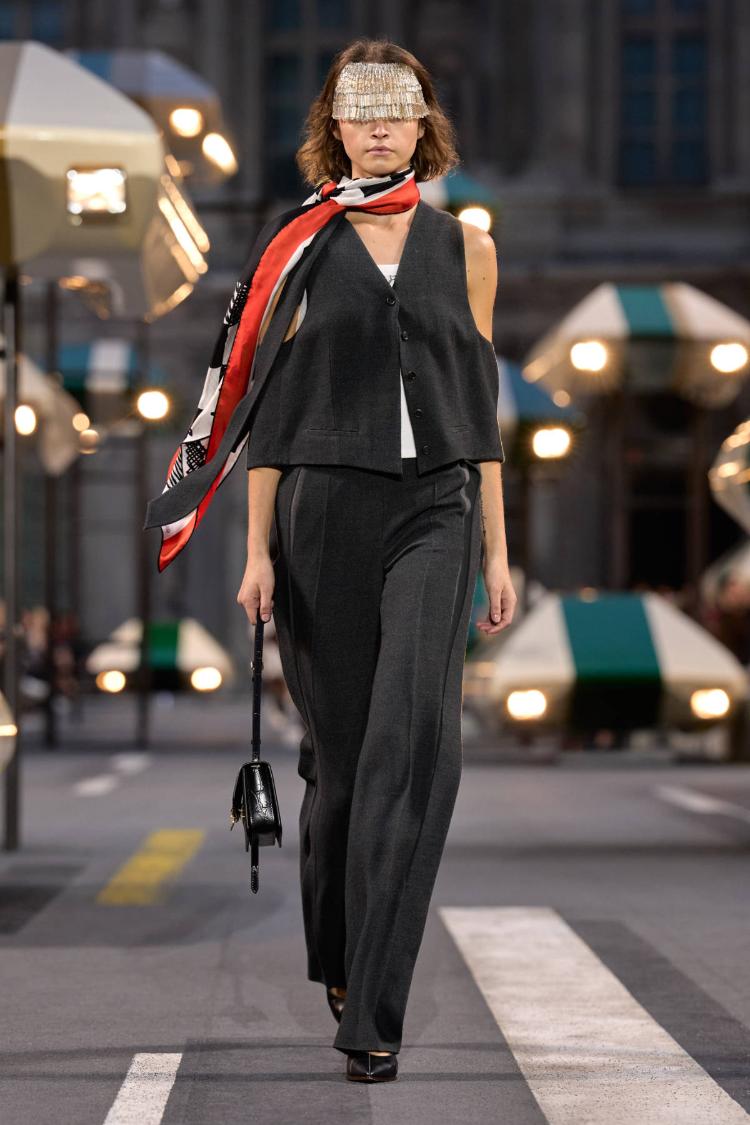
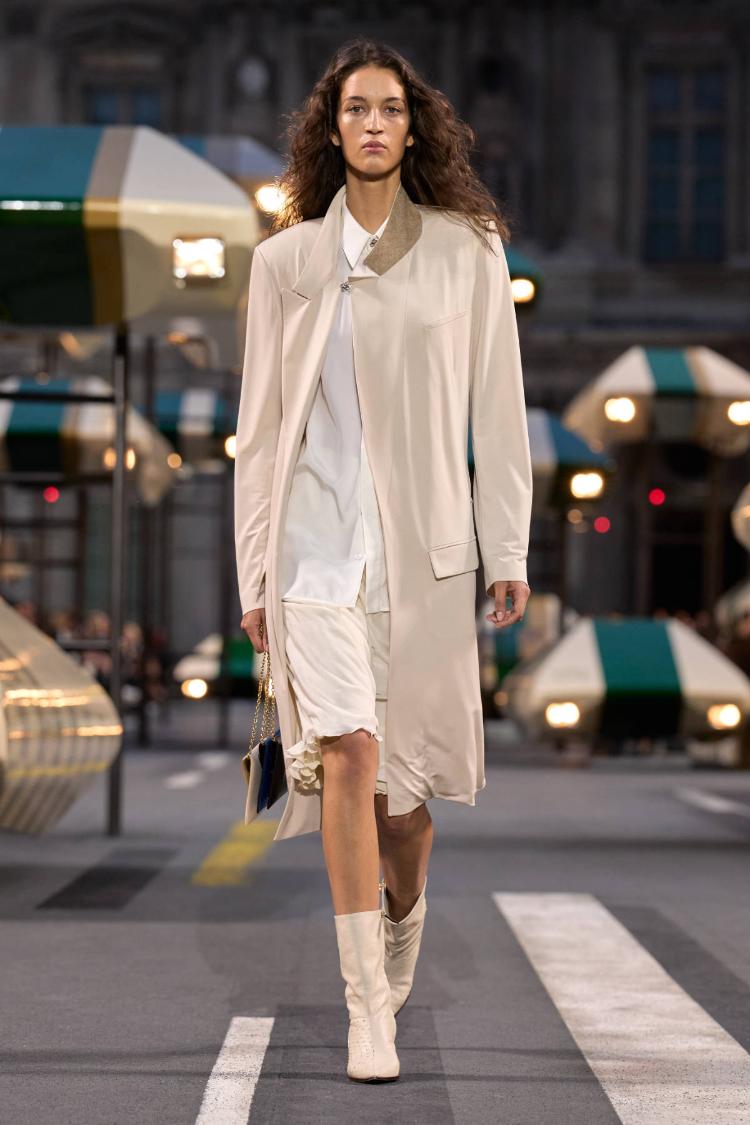
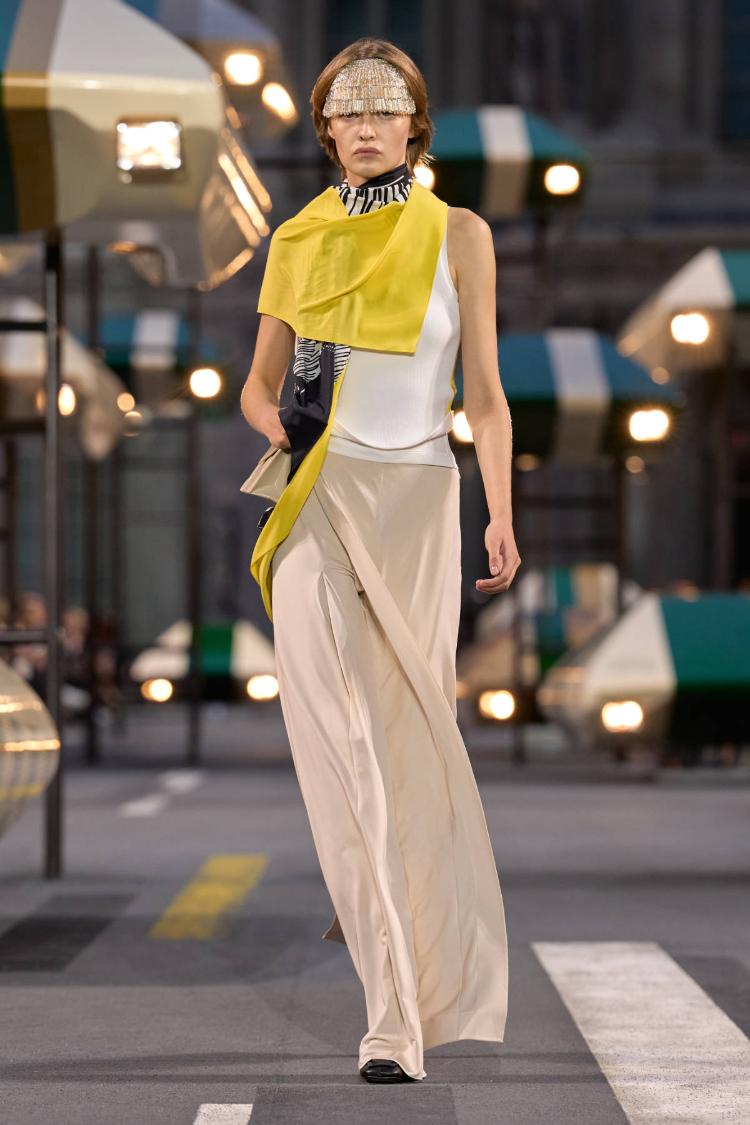
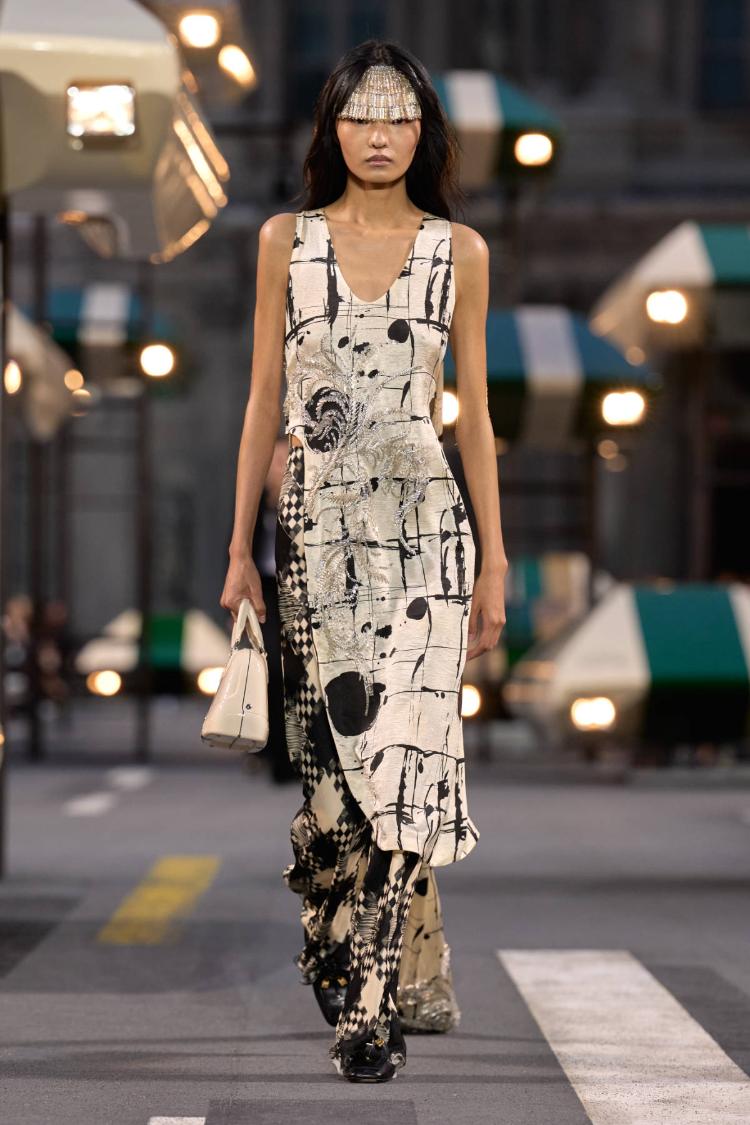
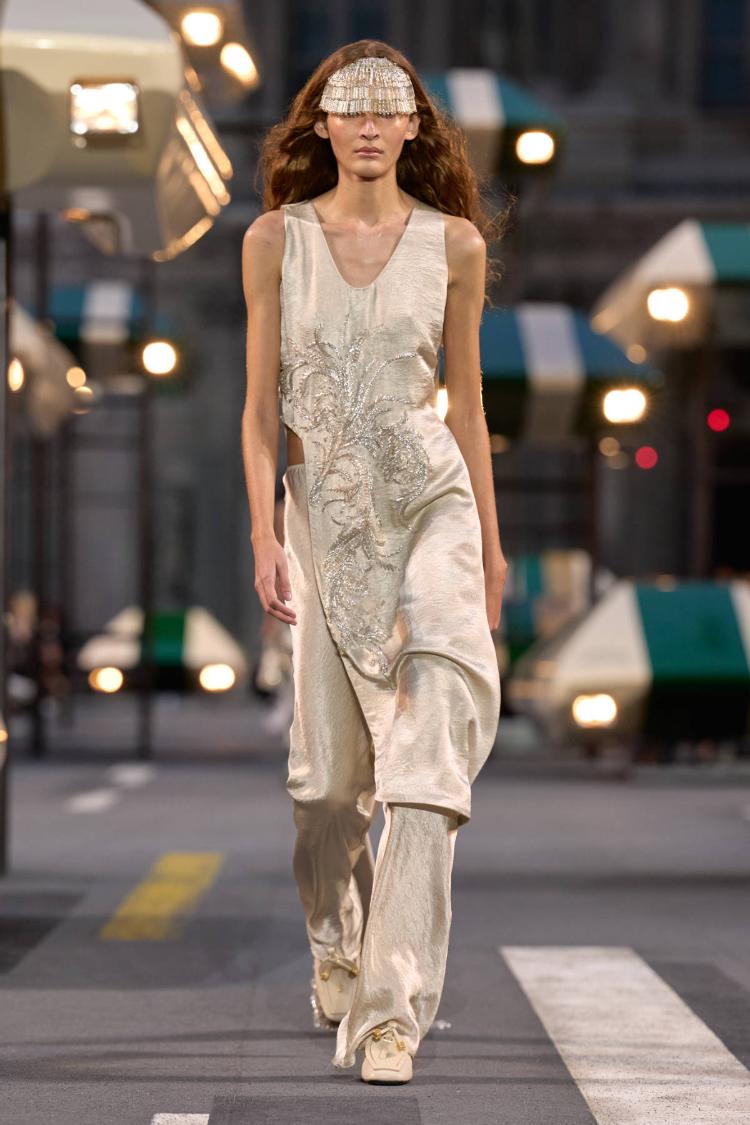
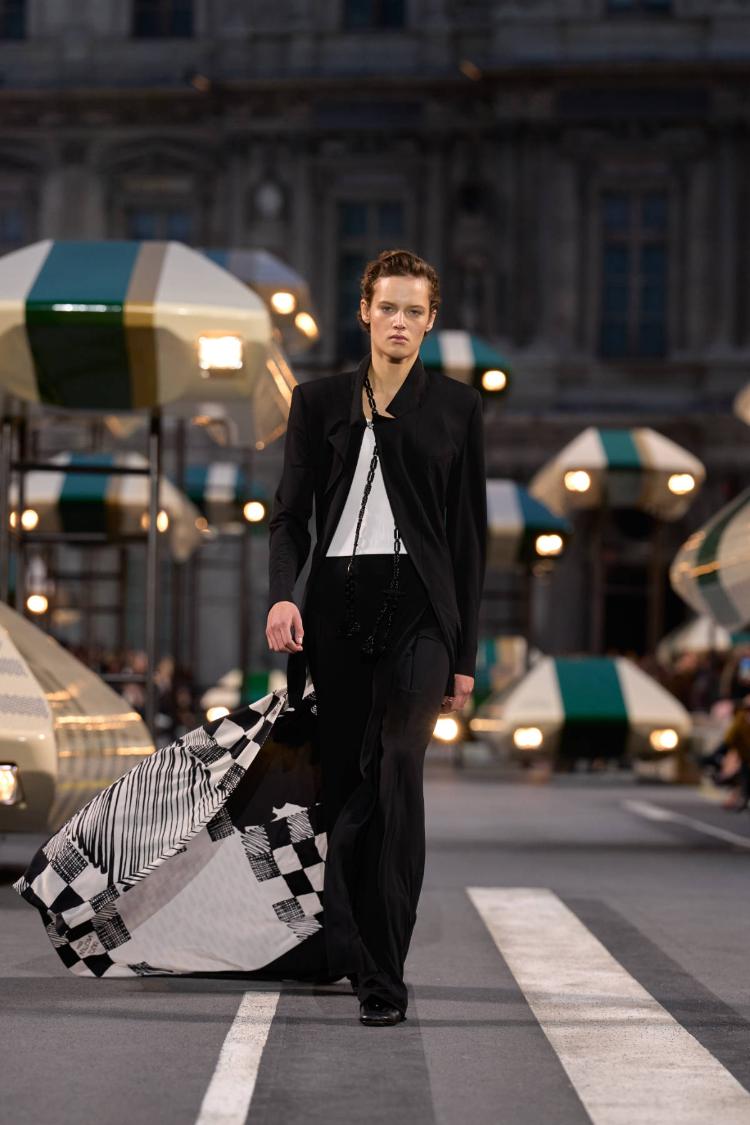
More photos
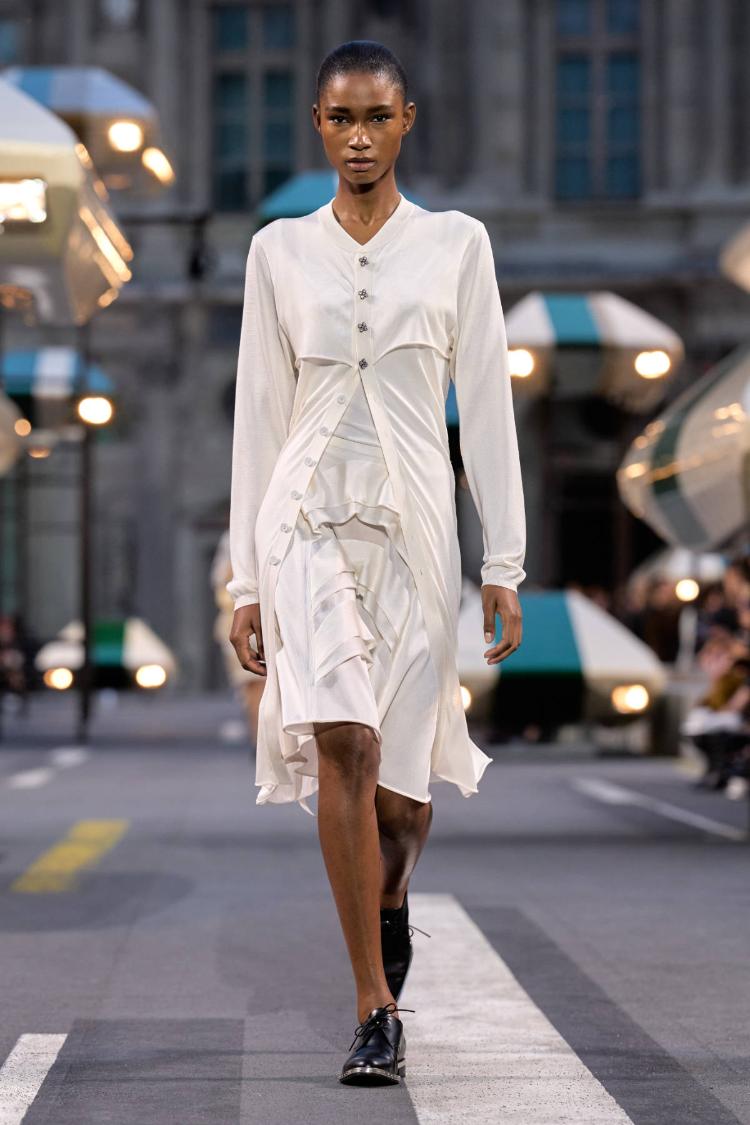
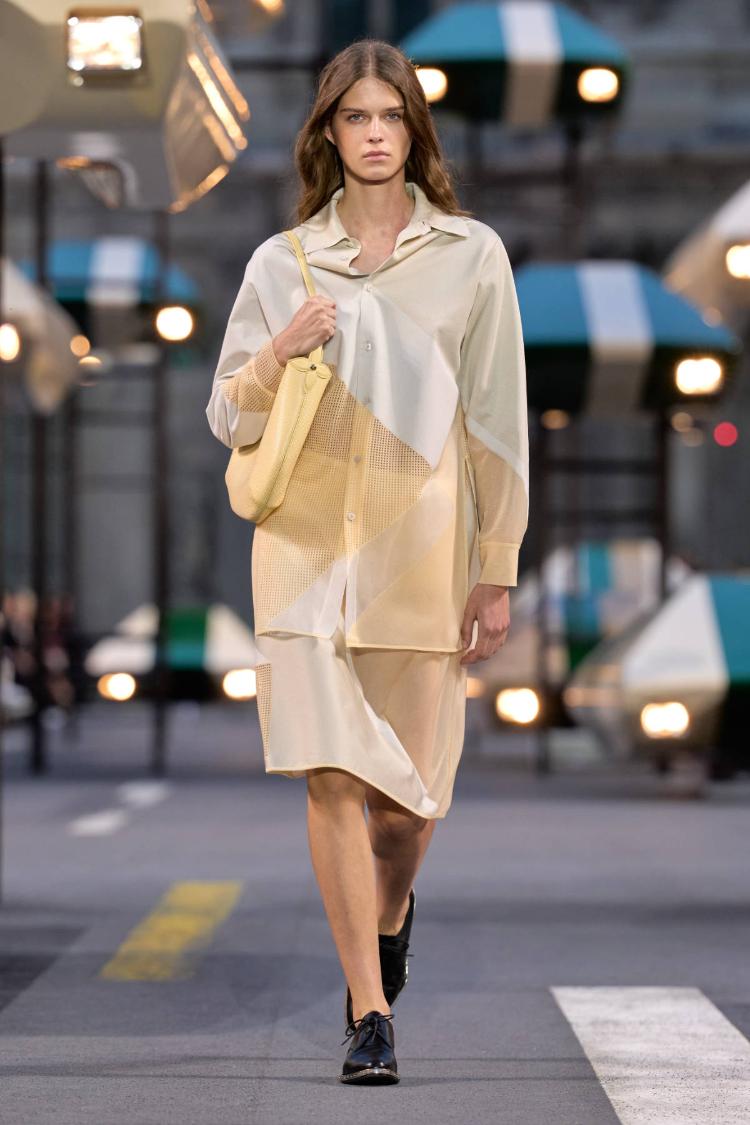
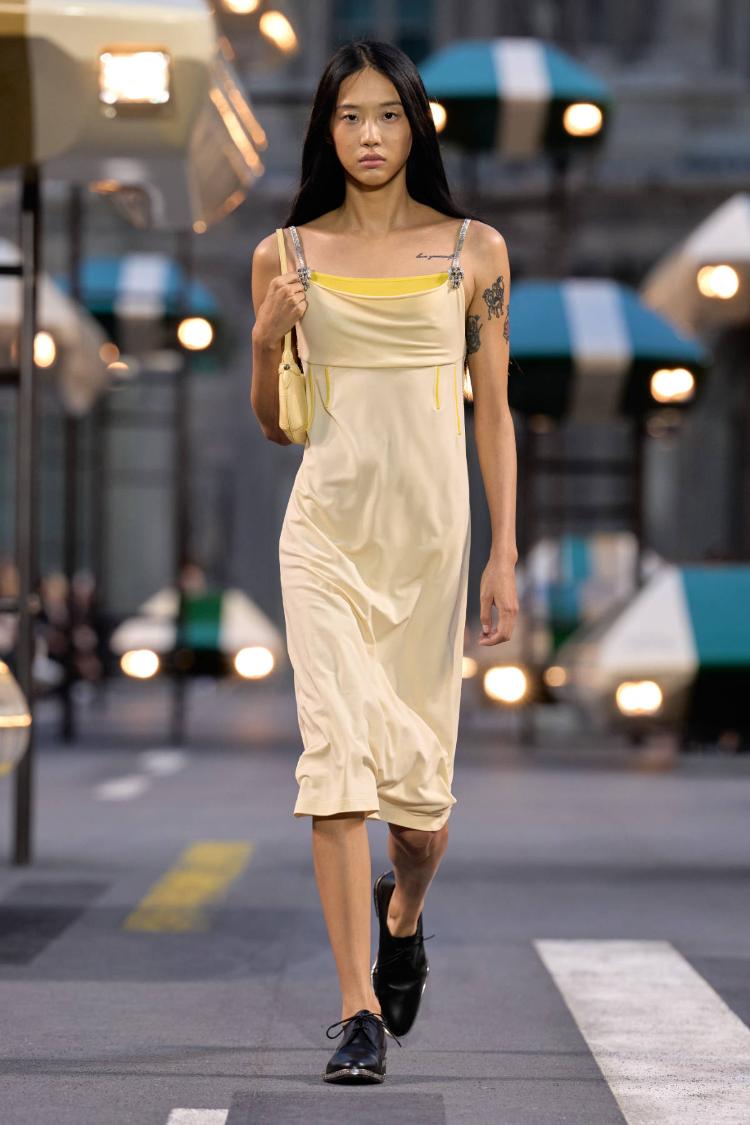
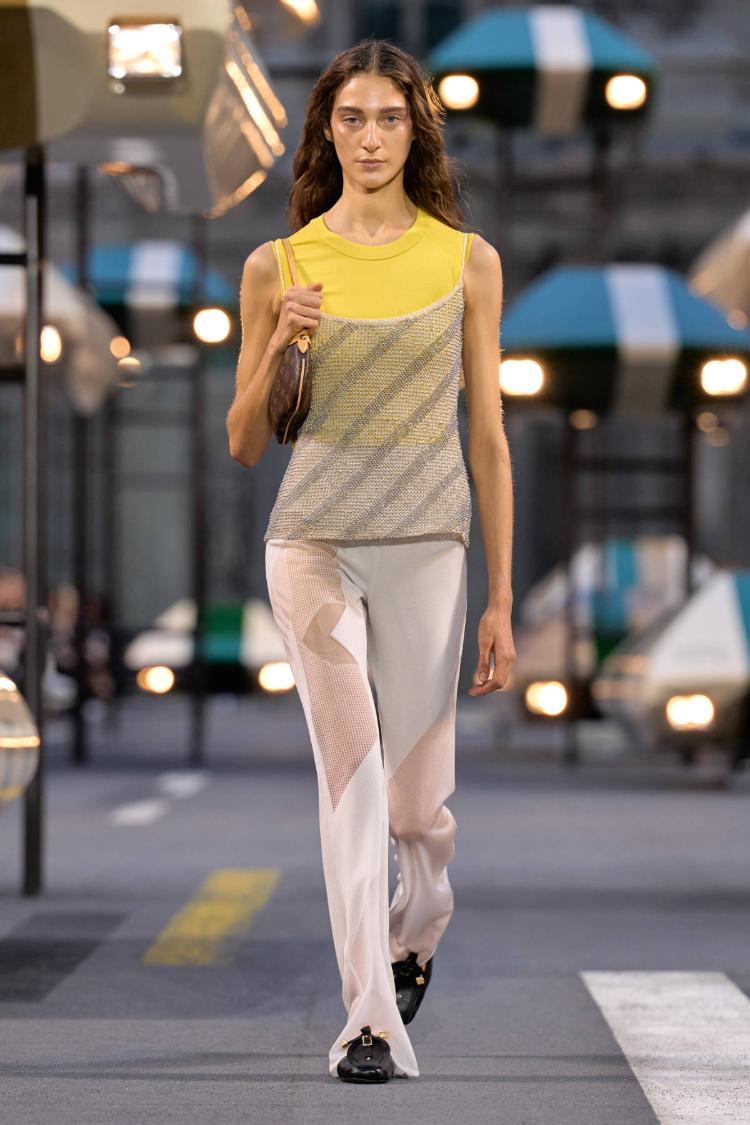
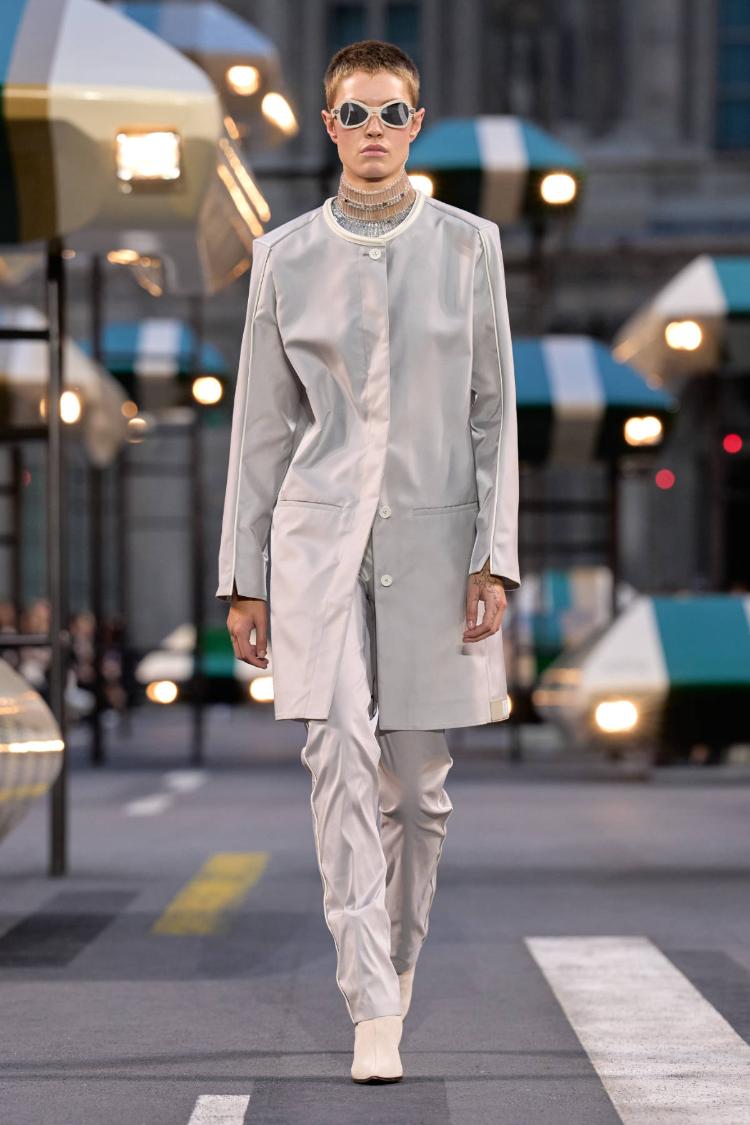
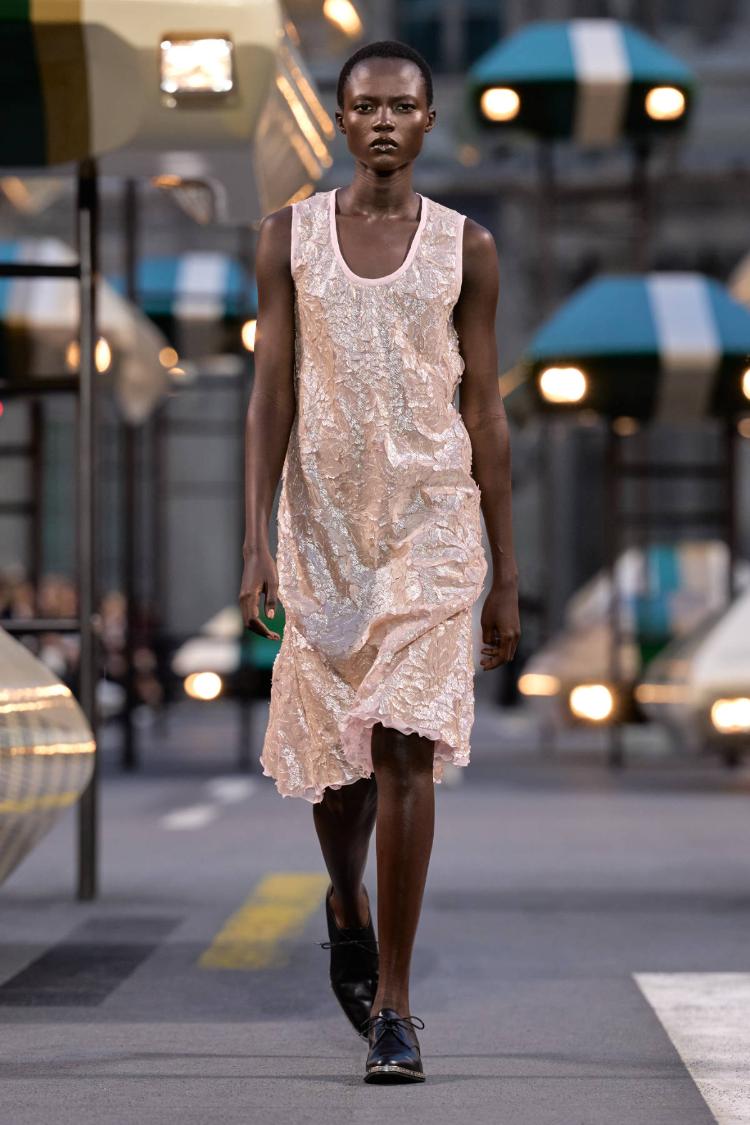
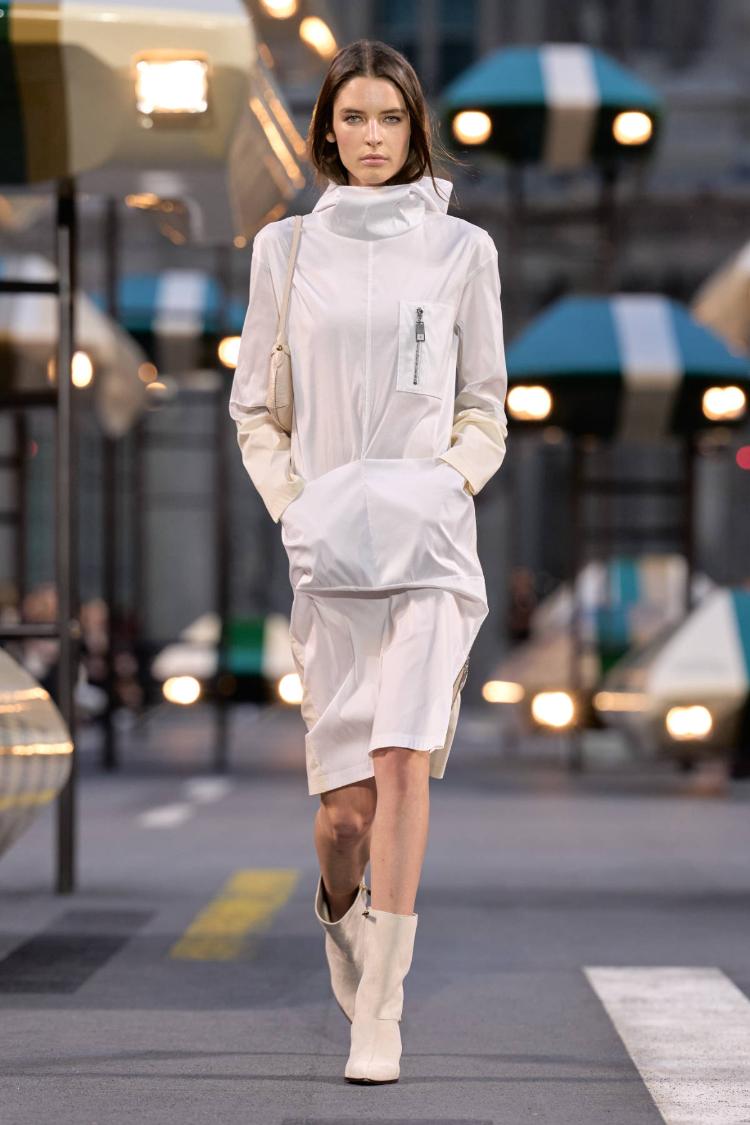
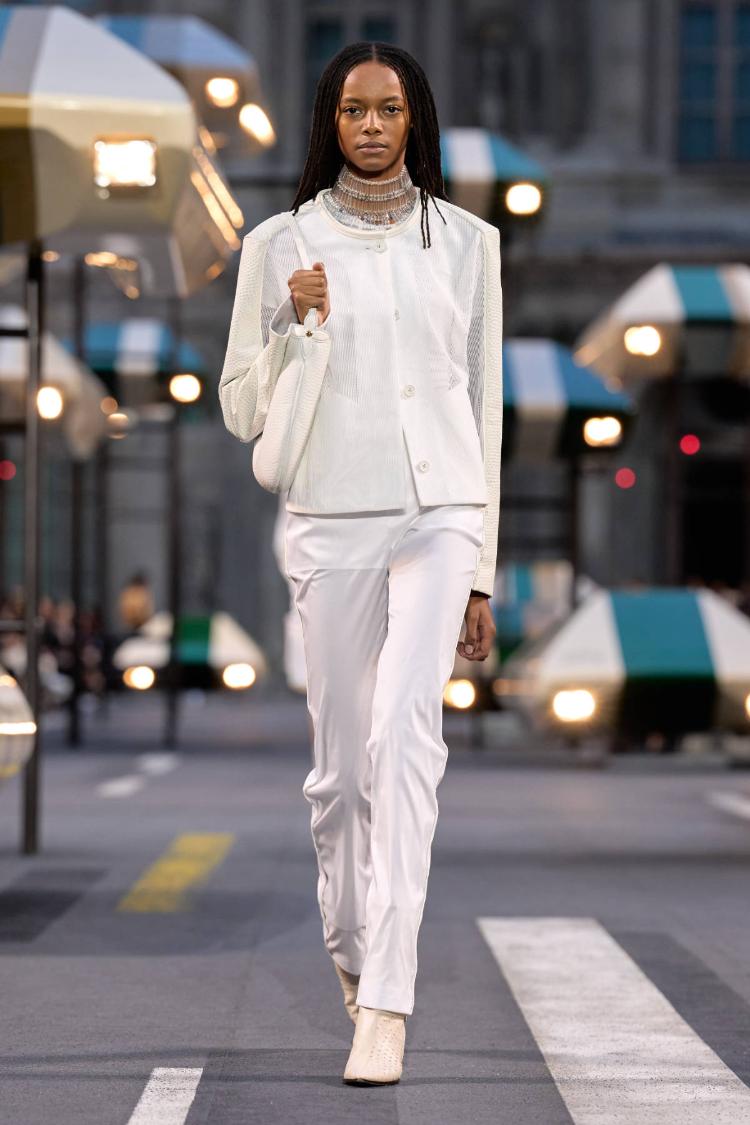
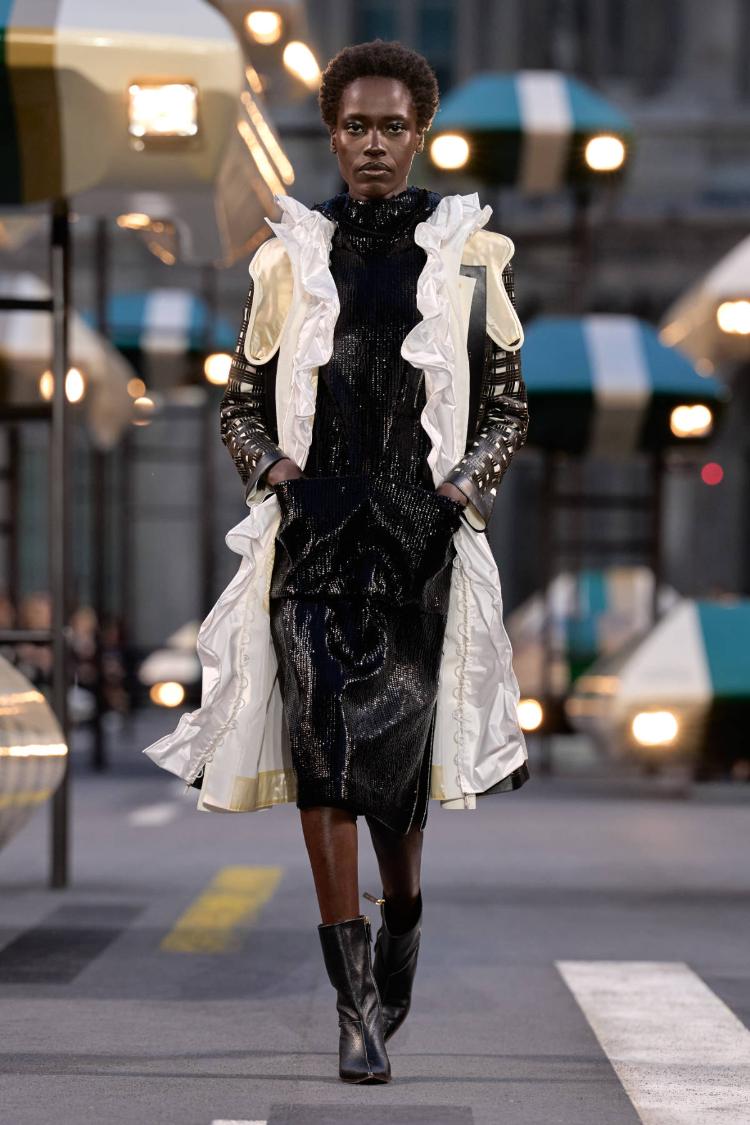
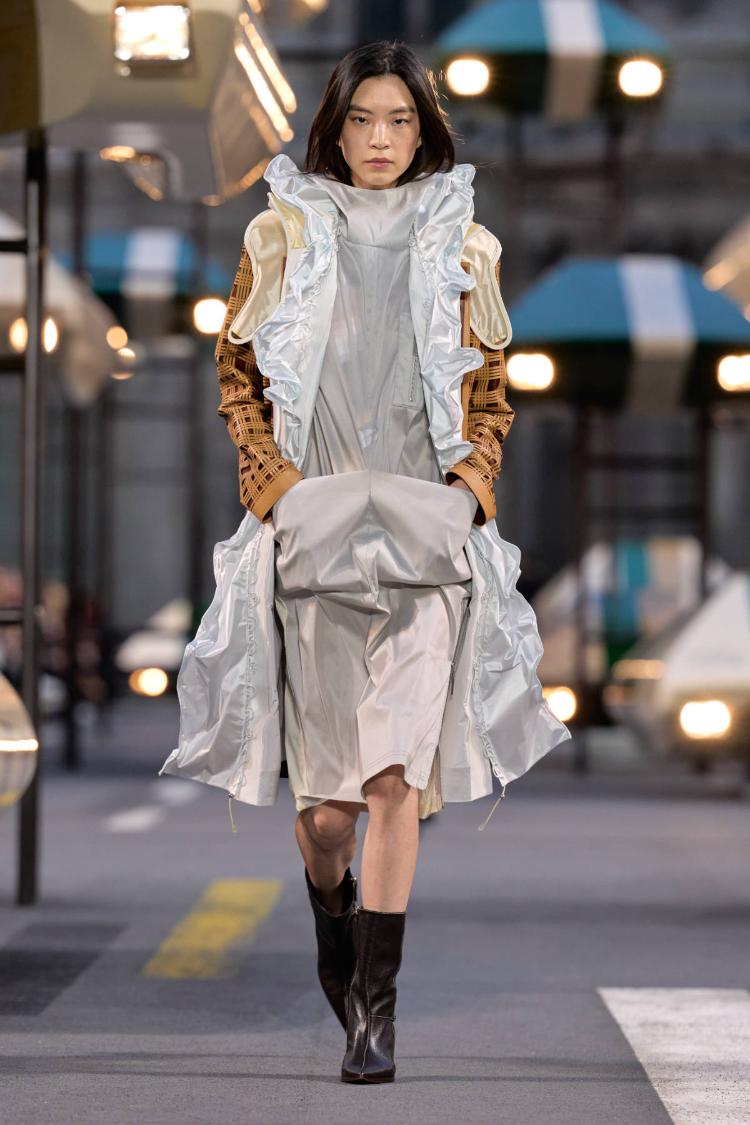
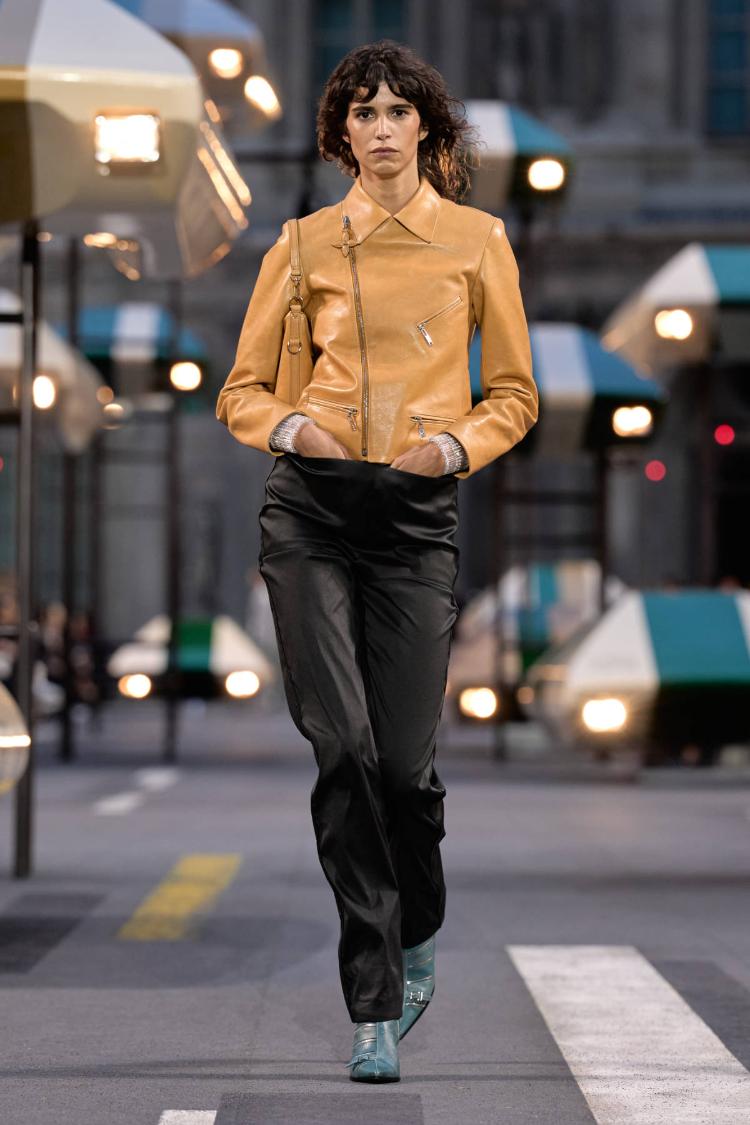
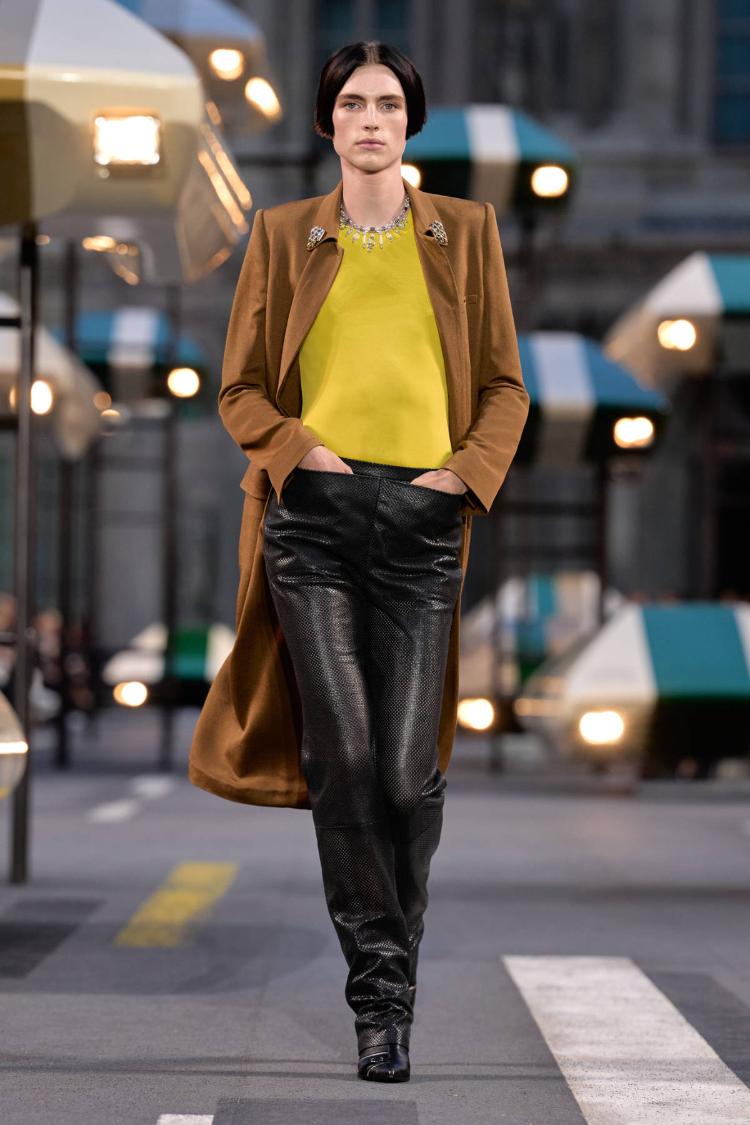
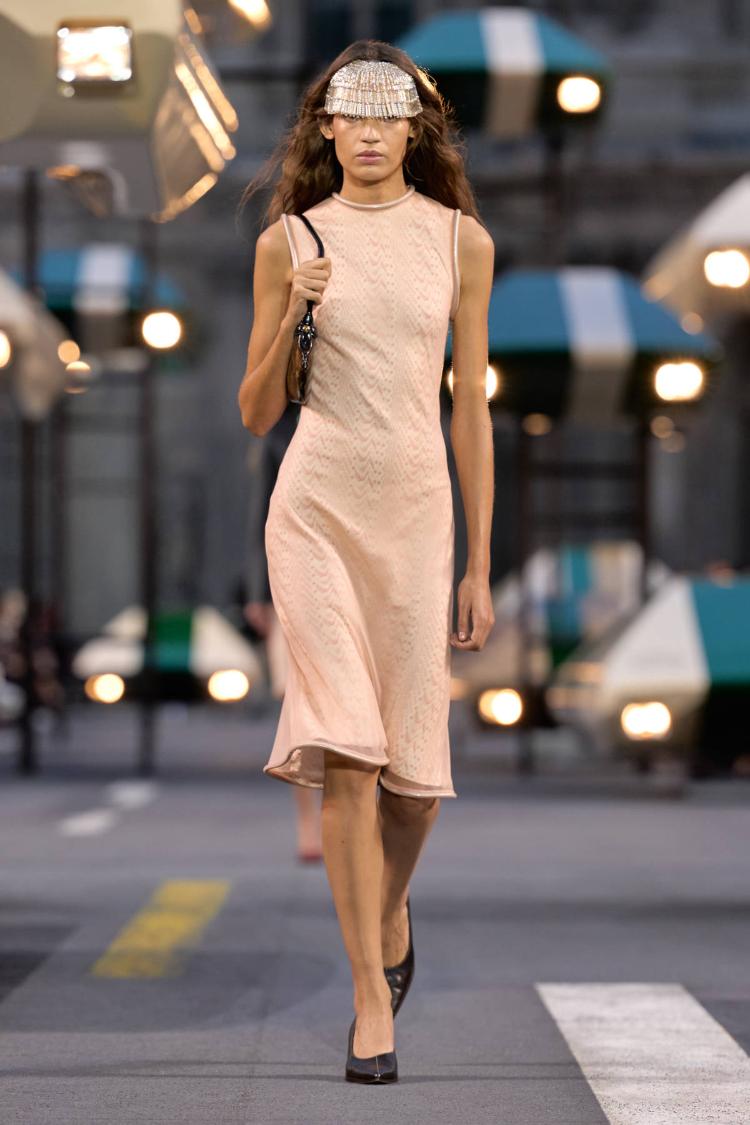
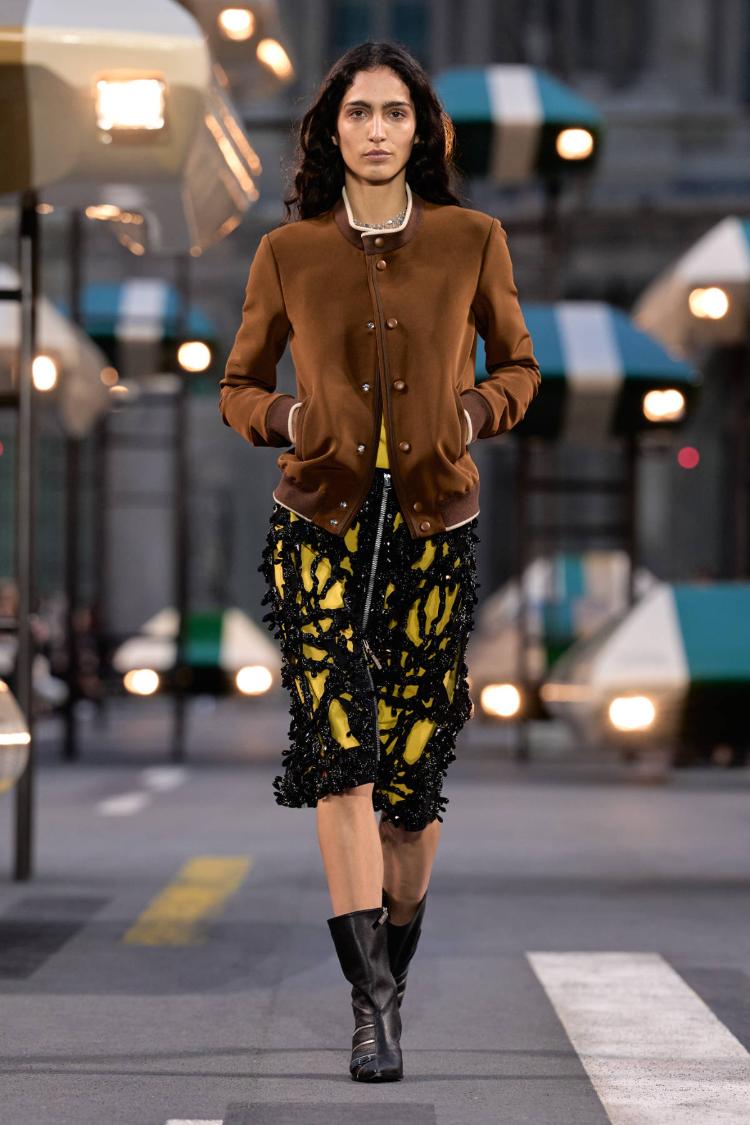
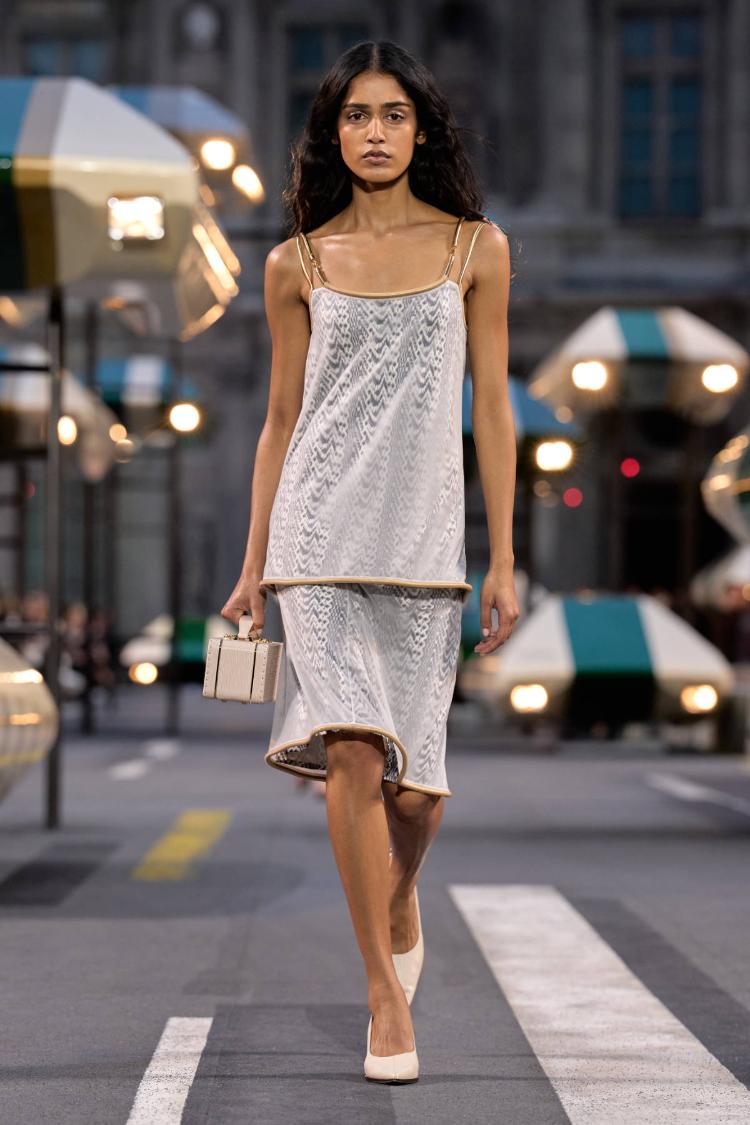
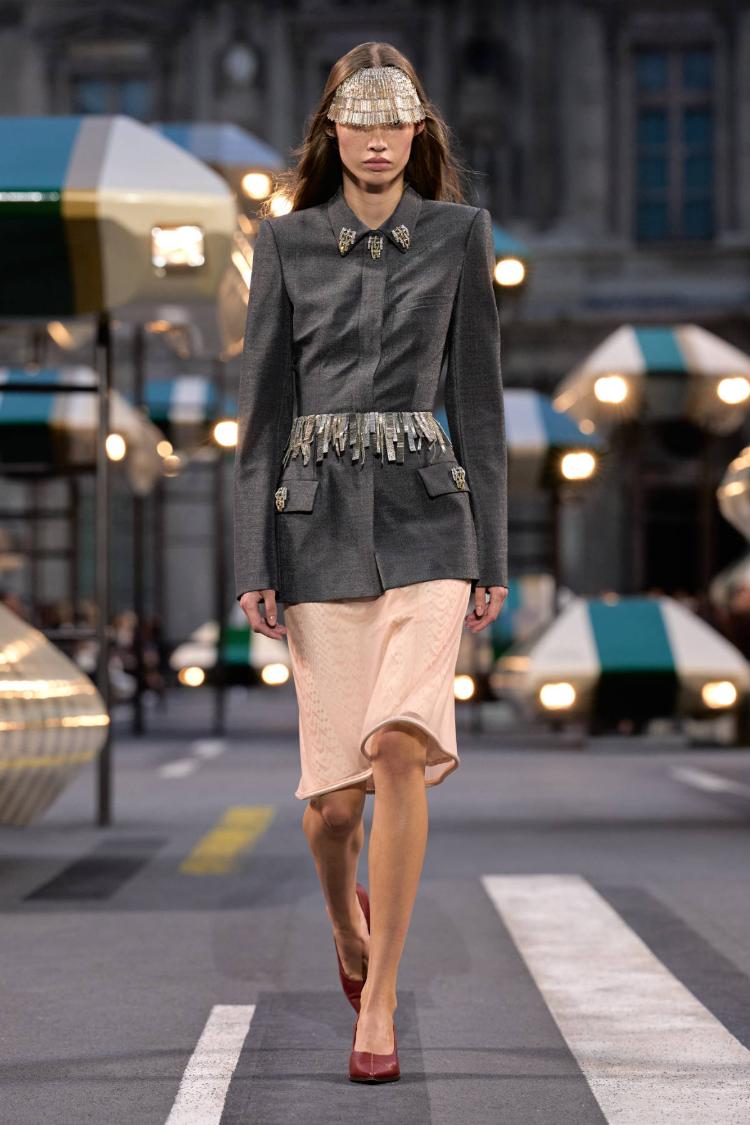
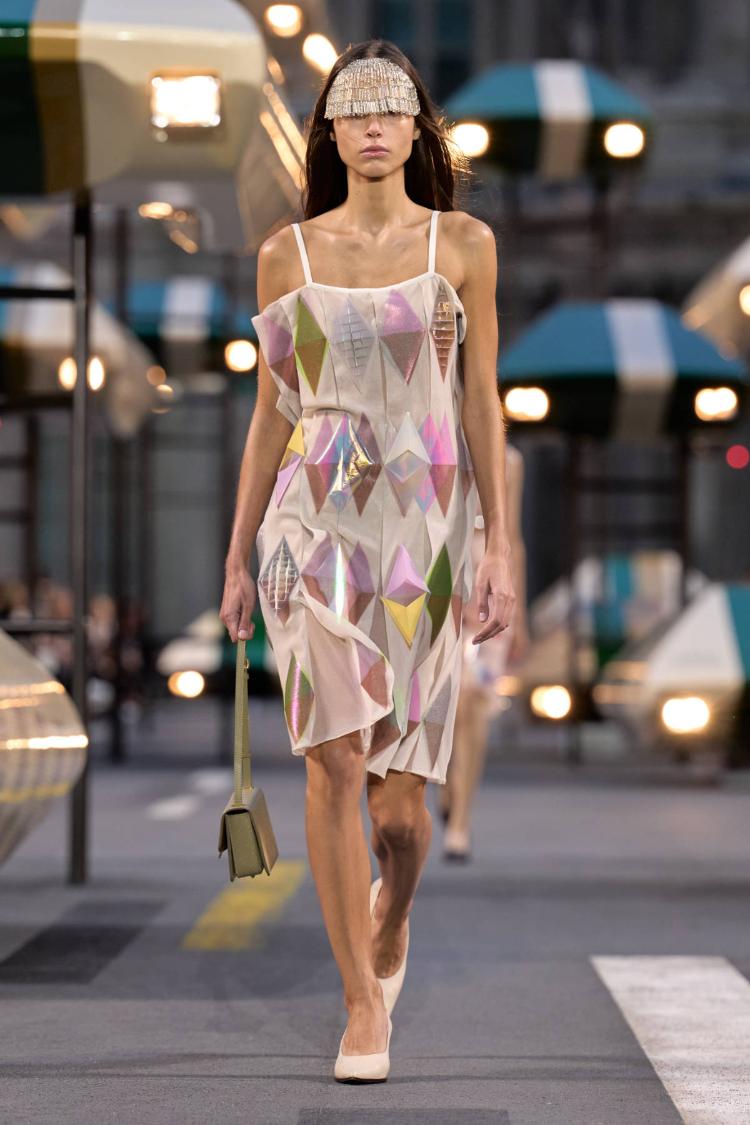
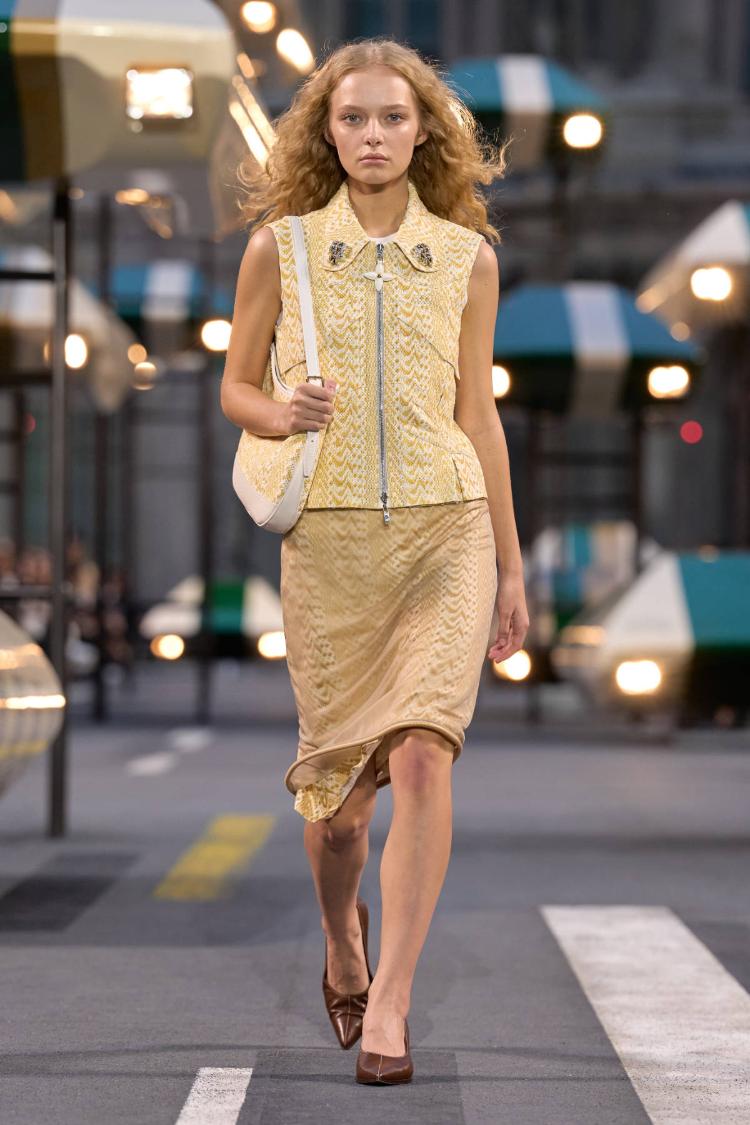
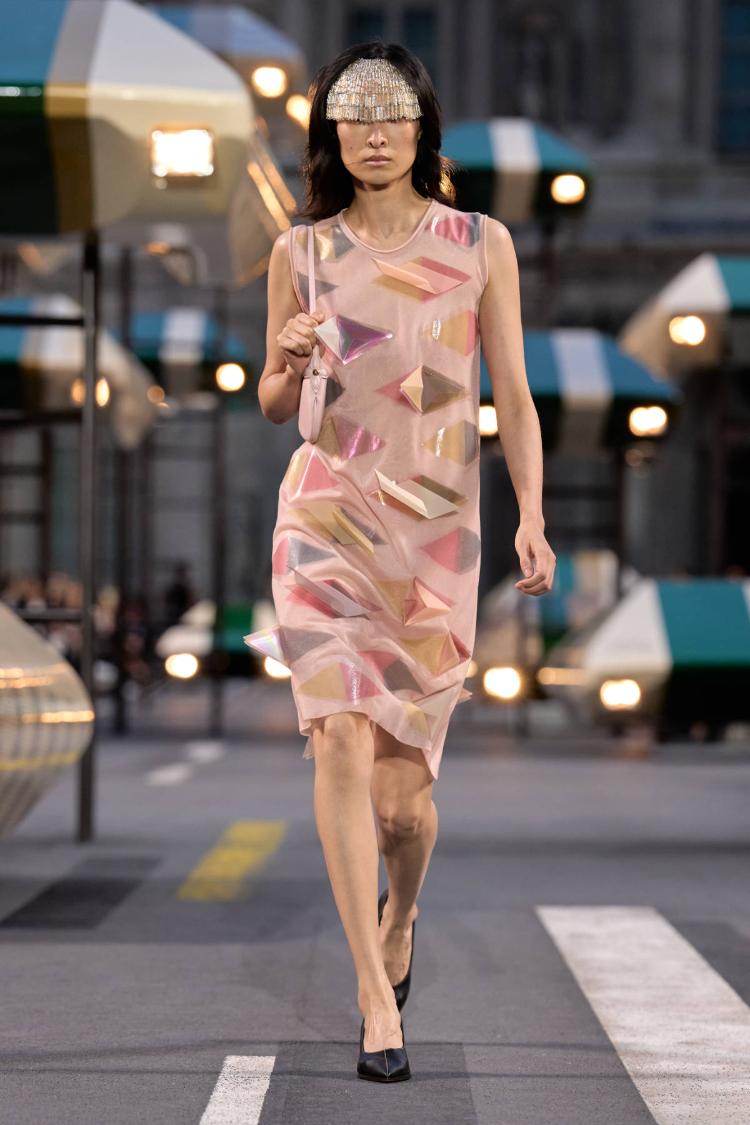
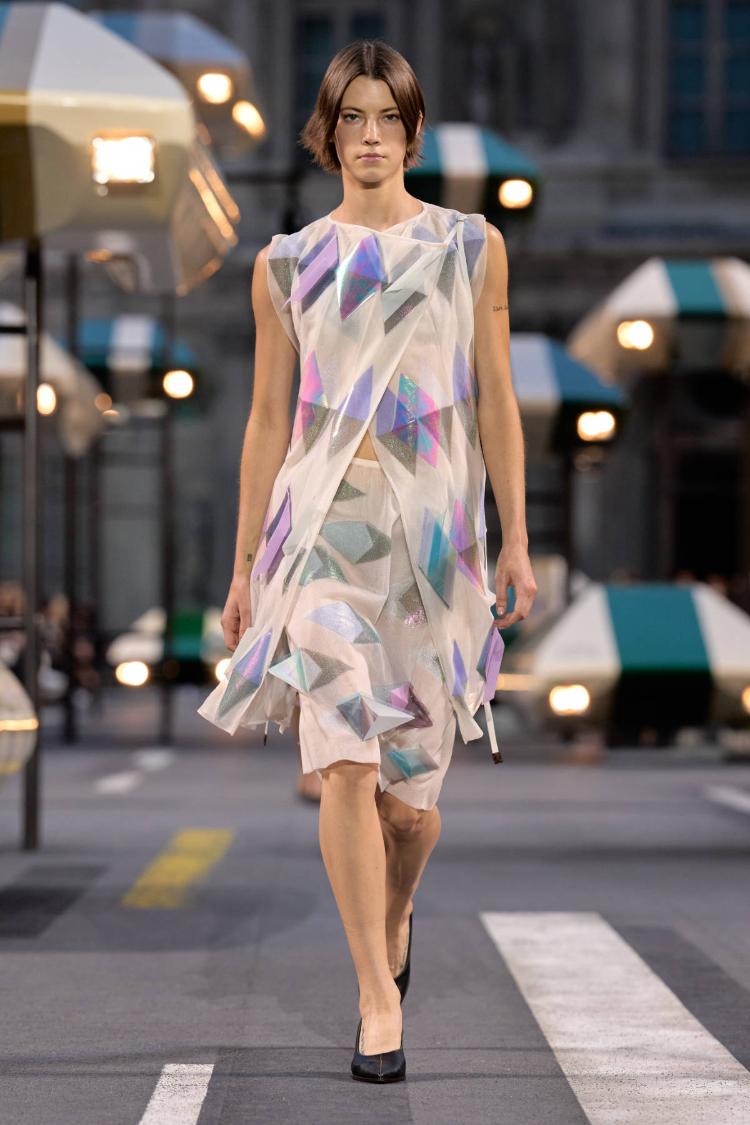
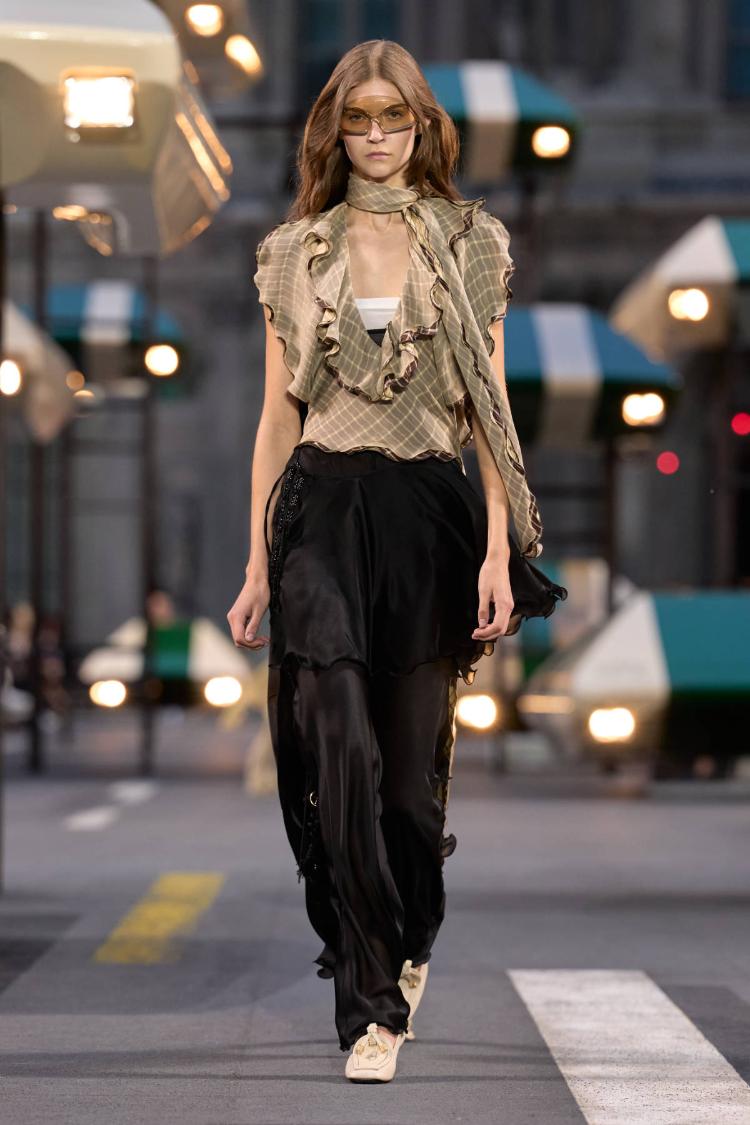
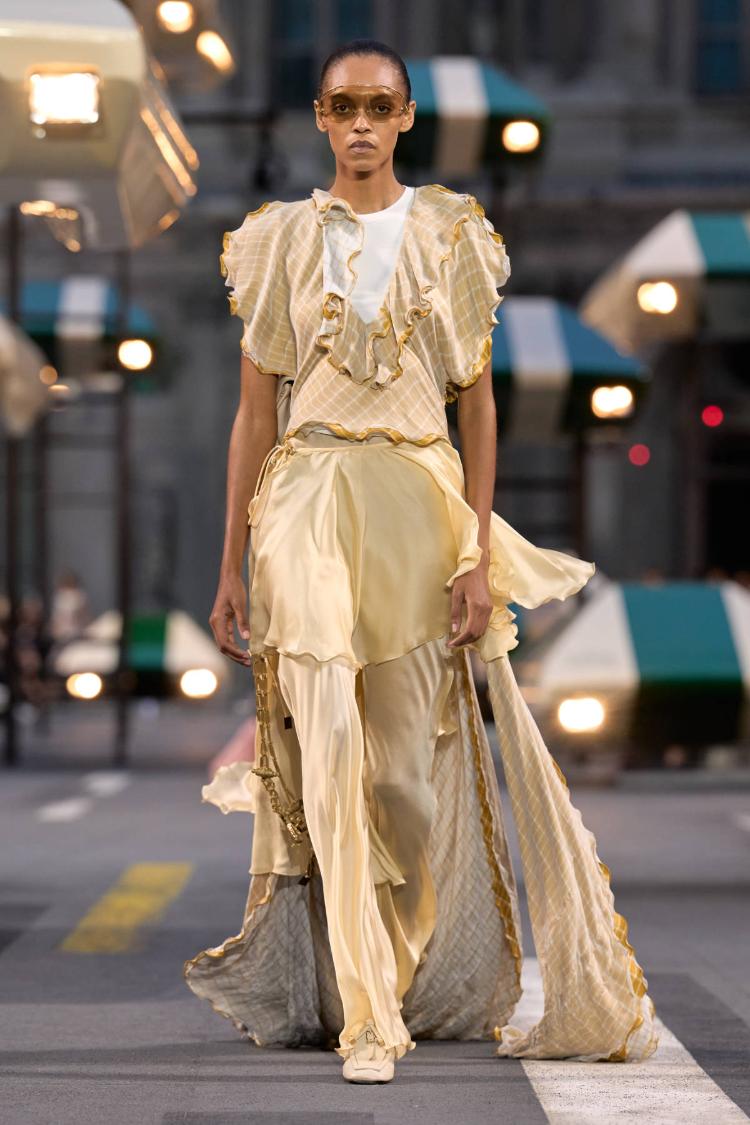
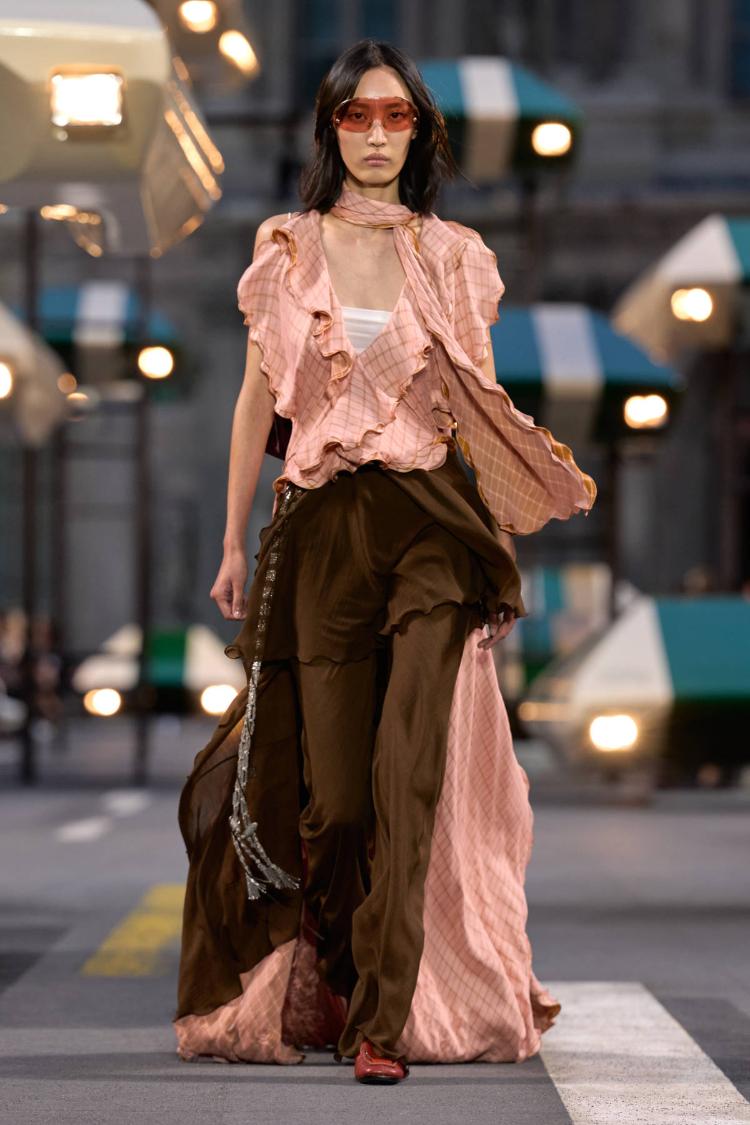
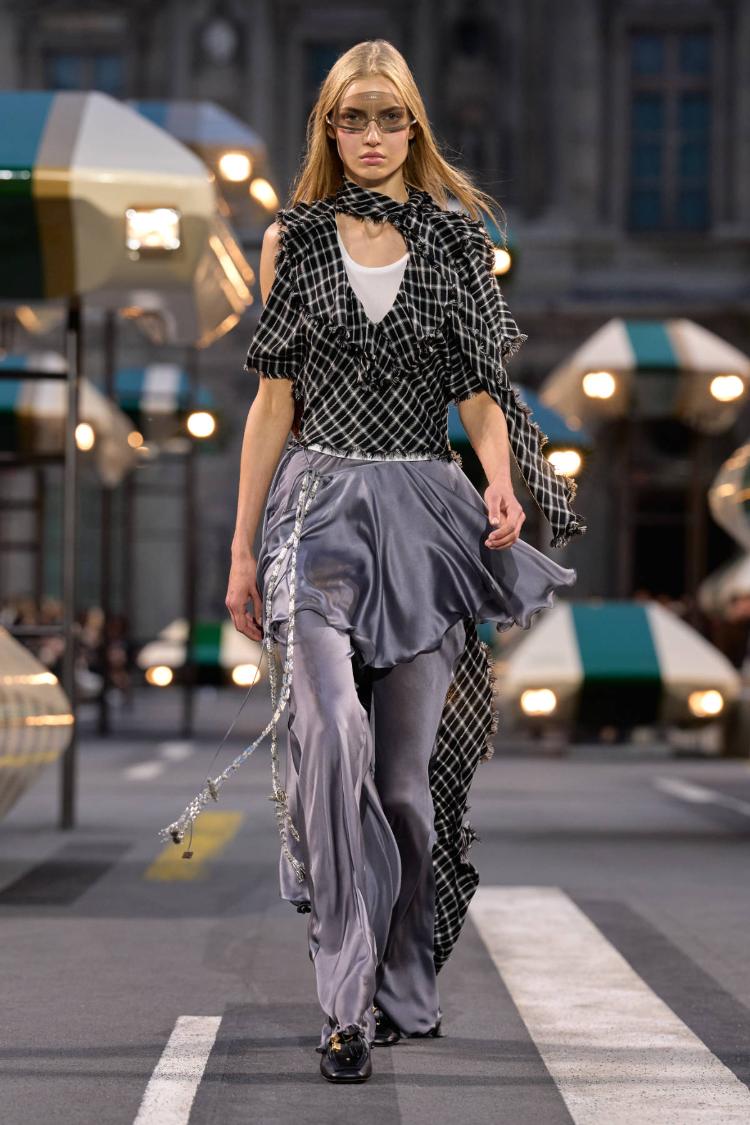
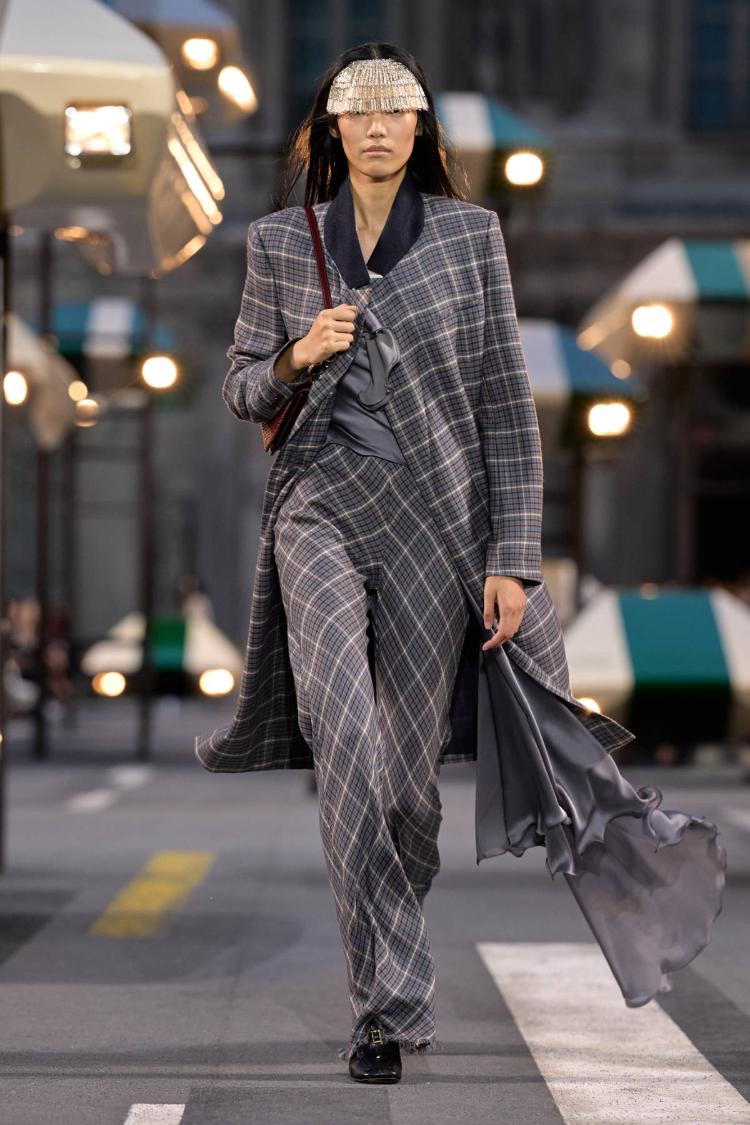
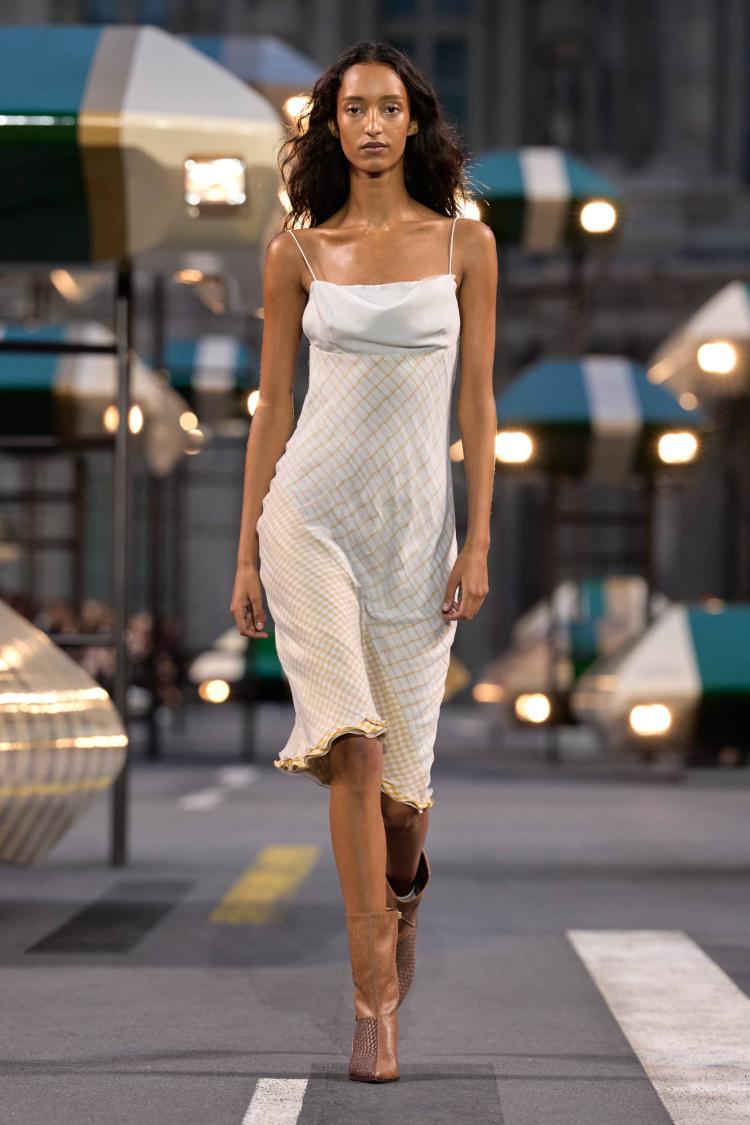
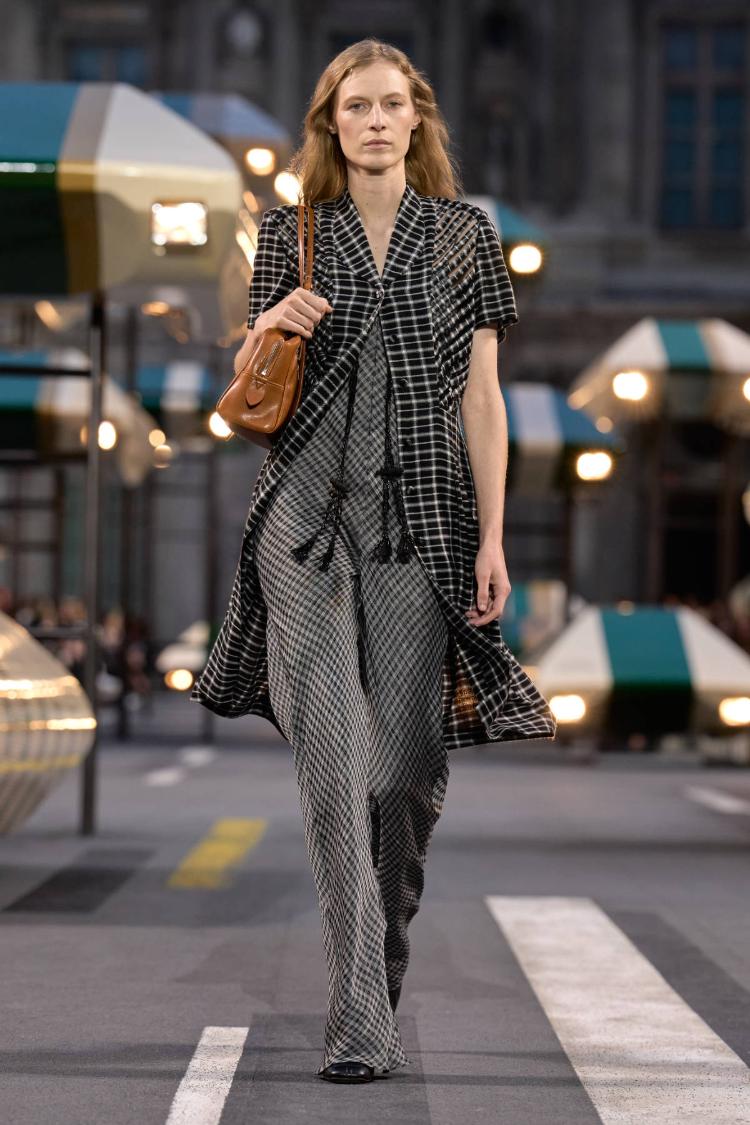
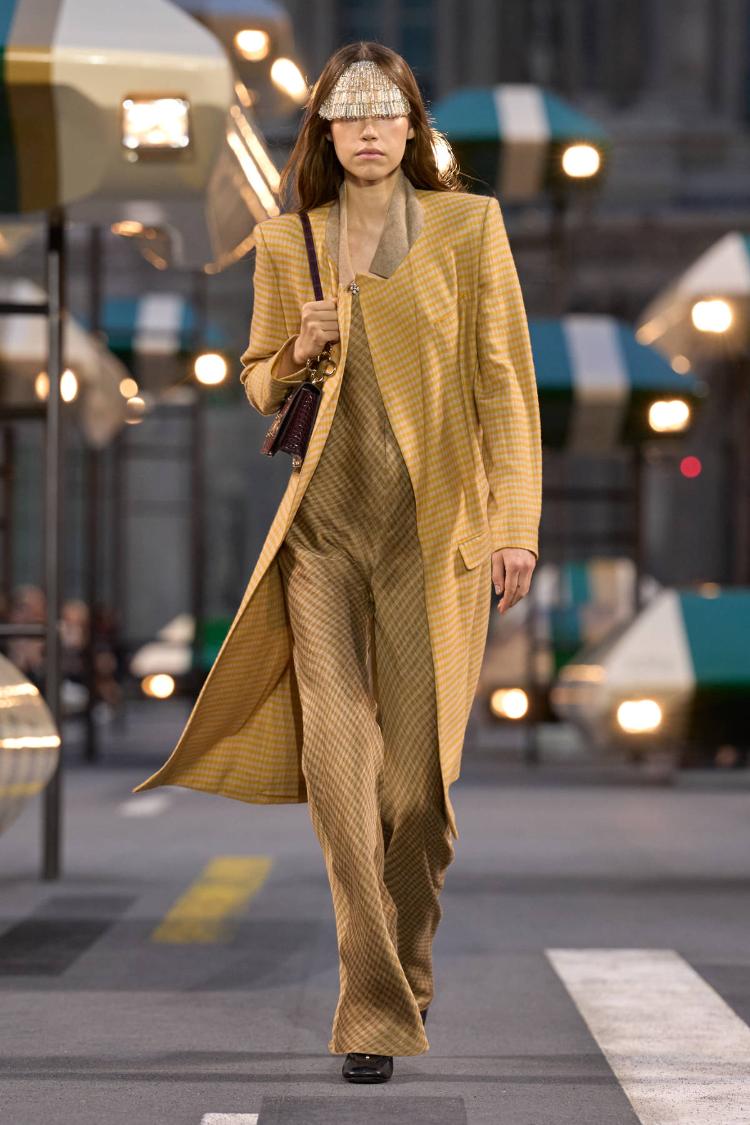
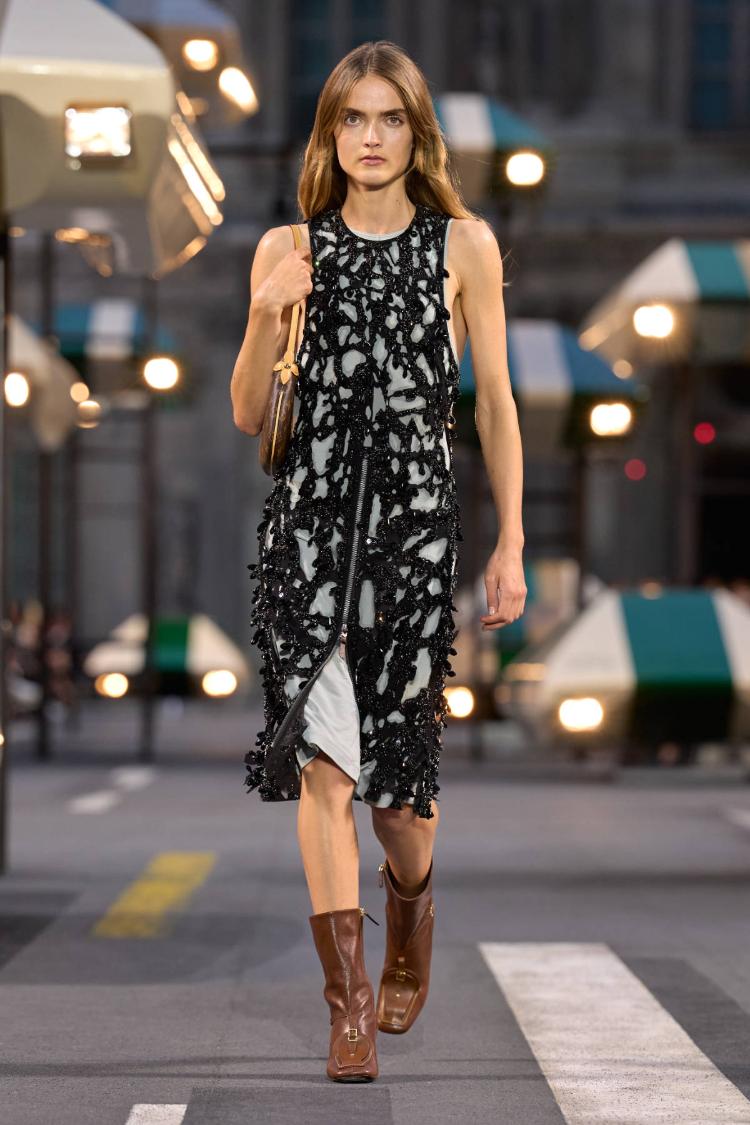
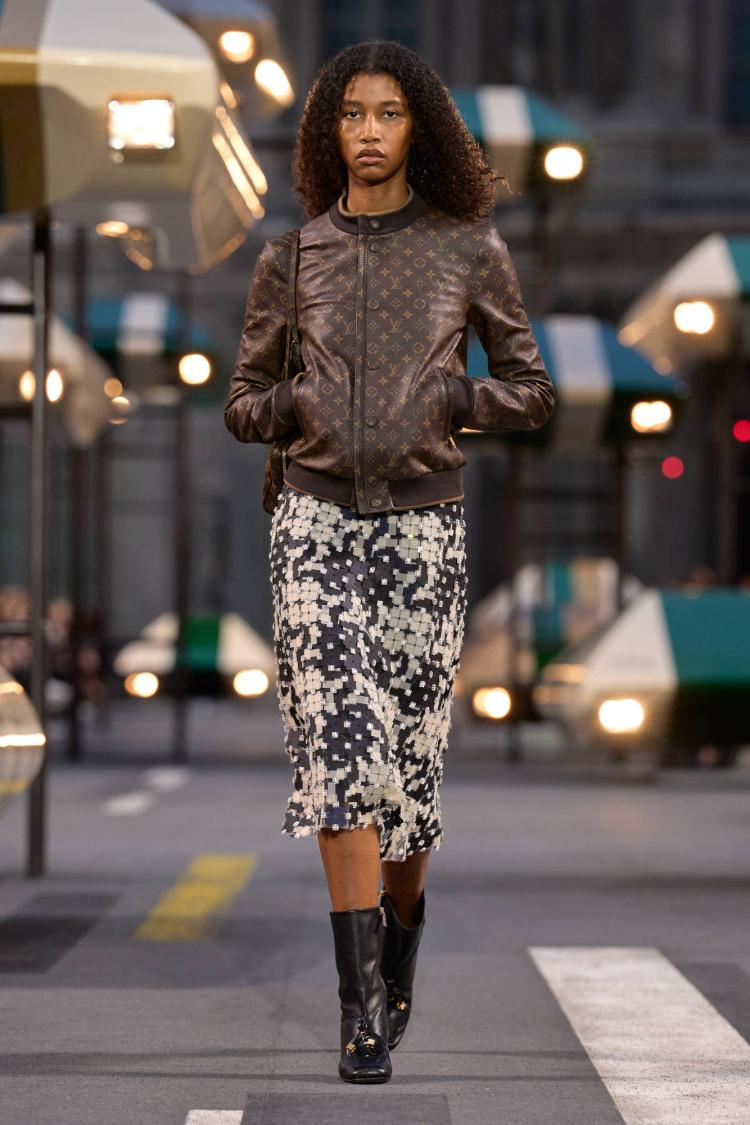
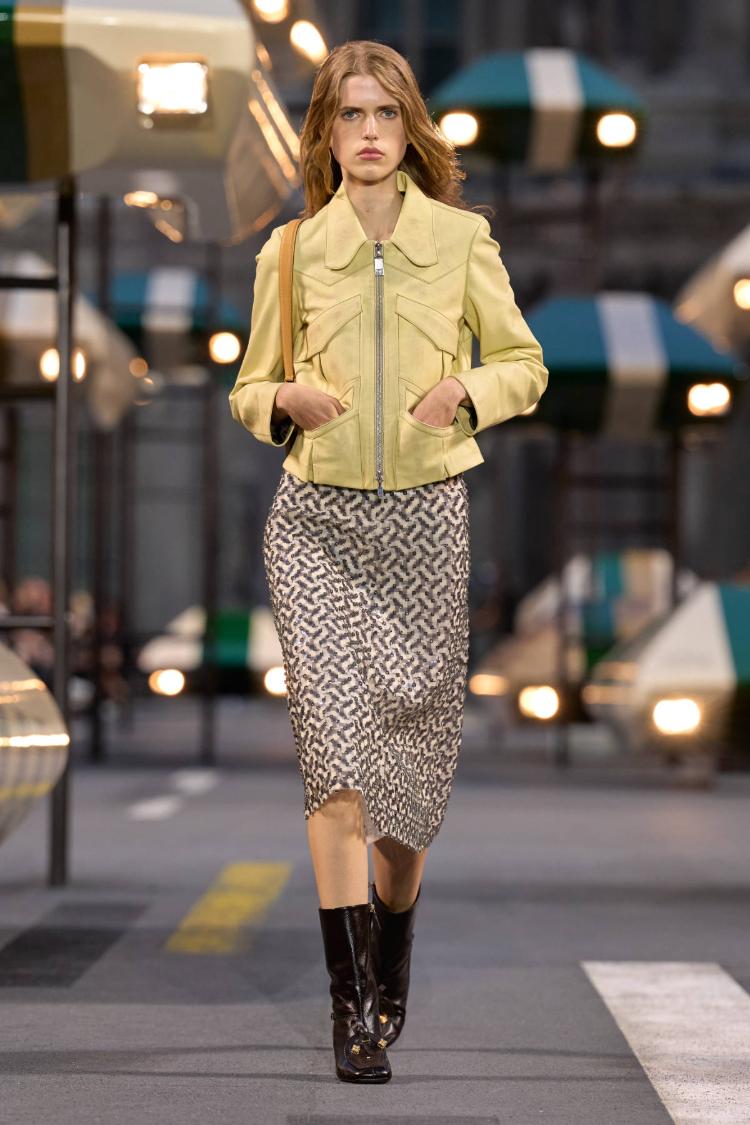
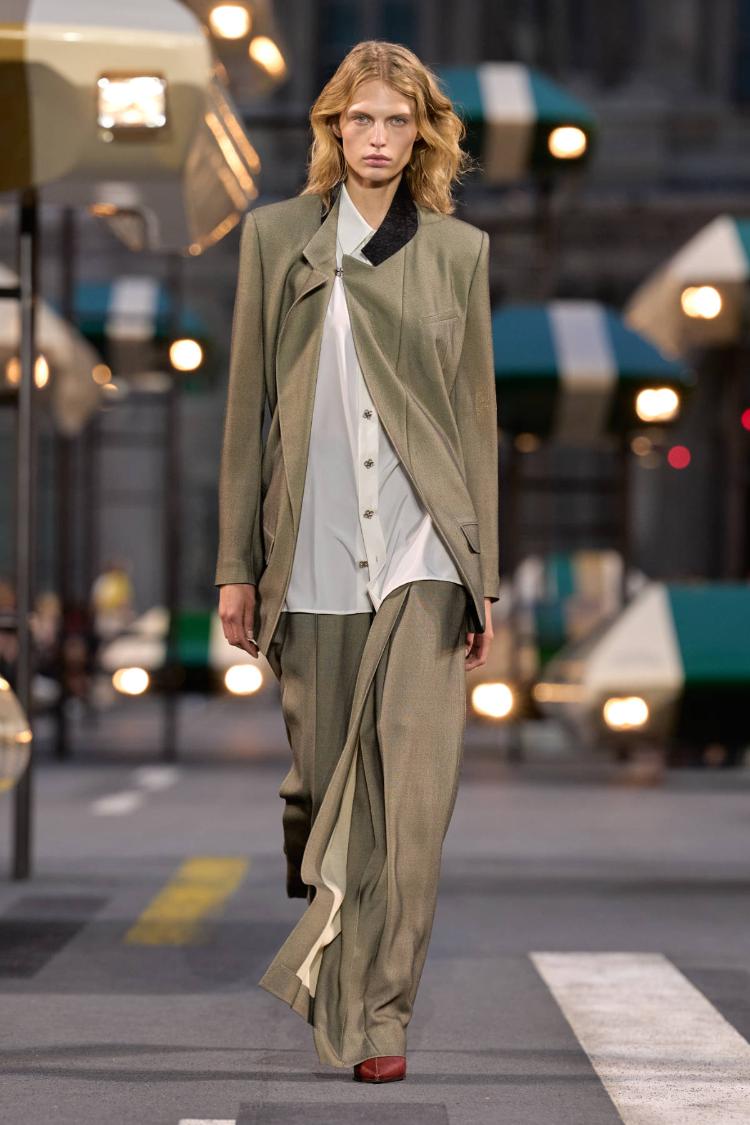
French luxury fashion house Louis Vuitton has unveiled its Spring/Summer 2027 womenswear collection, titled “Ergonomie,” in which creative director Nicolas Ghesquière explores an entirely new relationship between clothing and the human body. Inspired by movement, anatomy, and functional design, the collection introduces ultra-lightweight fabrics, innovative tailoring, and silhouettes that adapt to the body, redefining contemporary luxury through comfort and freedom of movement.
What if clothing no longer required the body to conform to predetermined shapes, but instead adapted naturally to its every movement? This intriguing question lies at the heart of the Louis Vuitton Spring/Summer 2027 collection, through which Nicolas Ghesquière continues to push the boundaries of contemporary womenswear.
Titled Ergonomie, the collection explores the possibilities of fashion designed to follow the body's natural anatomy rather than restrict it.
For a luxury house whose heritage is inseparably connected to travel, this approach represents a natural evolution of a philosophy rooted in functionality, innovation, and freedom of movement.
Clothing That Adapts to the Body, Not the Other Way Around
The central concept of the collection is the creation of garments that function almost like a second skin.
Rather than relying on rigid constructions and predetermined silhouettes, Ghesquière employs sophisticated tailoring techniques that allow fabrics to follow the body's natural contours.
Different textures and carefully controlled fabric tensions are designed to respond to movement, allowing garments to change shape alongside the person wearing them.
At first glance, certain pieces appear remarkably relaxed and effortless, yet beneath this apparent simplicity lies an exceptionally precise construction.
Structure remains an essential element, but the sensation of rigidity disappears, creating a harmonious balance between architectural aesthetics and everyday comfort.
This innovative approach transforms clothing from a static object into something more dynamic, emphasizing the relationship between design, movement, and the human form.
Ultra-Lightweight Silk, Chiffon, and Cashmere Define the Collection
Particular attention has been devoted to the selection of materials, which play a crucial role in creating the collection's almost weightless silhouettes.
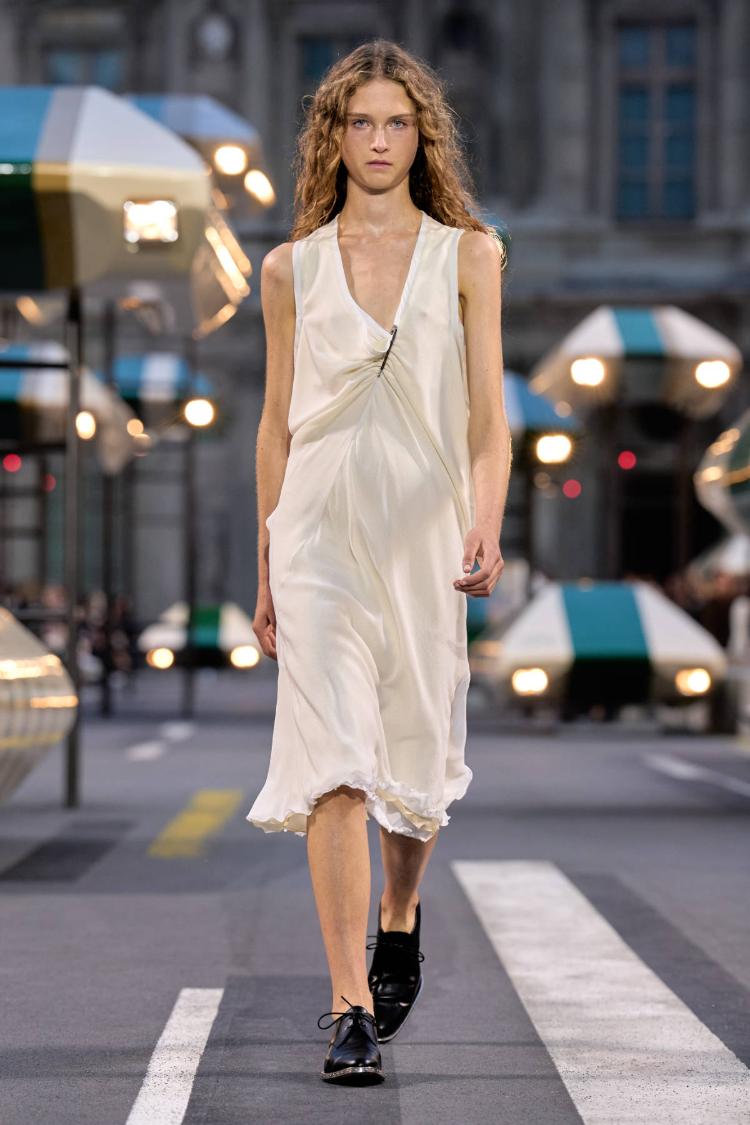
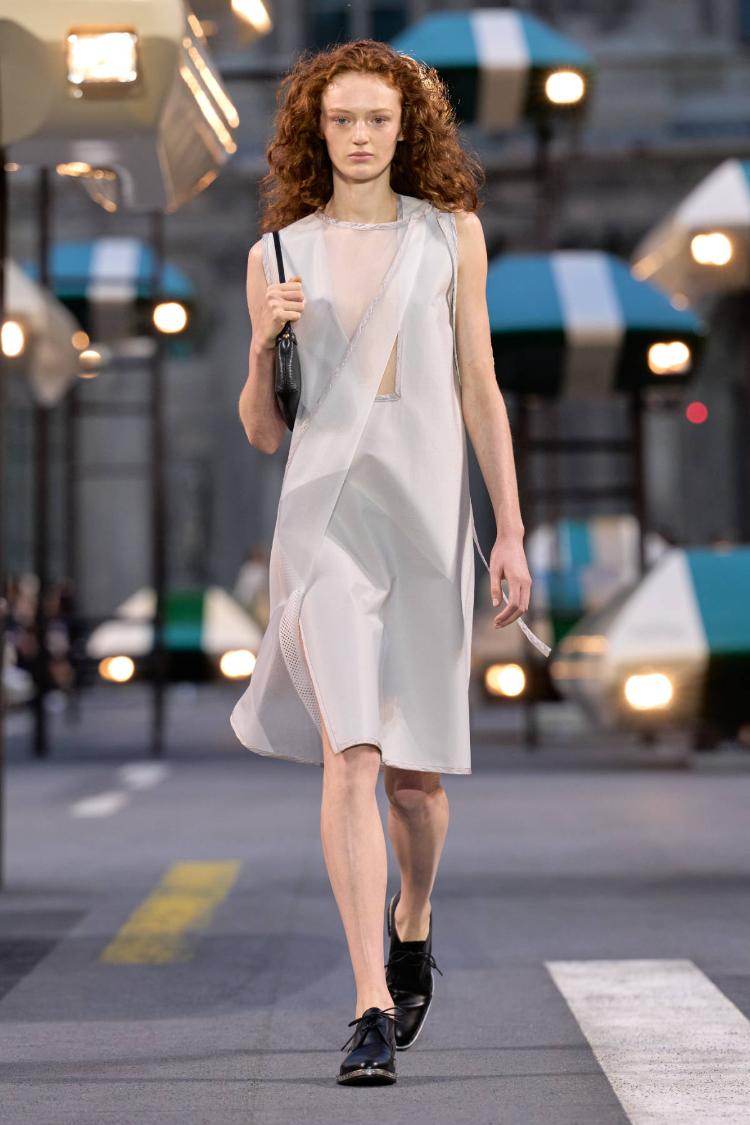
Double and triple layers of exceptionally lightweight chiffon, silk inspired by luxurious scarves, and delicate silk-cashmere blends dominate the designs.
These refined materials allow garments to move naturally with the body, creating a fluid and effortless visual effect.
Traditional tailoring is reinterpreted through the removal of unnecessary internal layers and the simplification of garment construction, resulting in lighter, more flexible silhouettes.
Knitwear follows the body's contours, while thoughtfully designed footwear provides a visual counterbalance to the collection's flowing garments.
The result is a wardrobe that retains Louis Vuitton's unmistakable sophistication while introducing an entirely new wearing experience.
Rather than sacrificing structure for comfort, Ghesquière demonstrates how technical precision can create garments that feel remarkably light without compromising their distinctive architectural character.
Nicolas Ghesquière Brings Architecture and Anatomy Together
One of the collection's most fascinating characteristics is the way Ghesquière approaches the human body as a form of architectural structure.
Garments are designed not only according to their visual appearance but also in response to the way the body naturally functions.
Tailoring follows organic movement, while fabrics bend, relax, and transform as the wearer walks.
This approach creates a compelling dialogue between fashion, ergonomics, and technical innovation.
Instead of presenting elegance as something static, Louis Vuitton proposes a more dynamic interpretation of luxury, where the beauty of a garment becomes most apparent in motion.
The philosophy also reflects the fashion house's heritage, which has been closely associated with travel and mobility since its earliest beginnings.
For Spring/Summer 2027, that historical connection receives a contemporary reinterpretation: the body becomes the center of the design process, while clothing serves as its natural companion.
A Runway Show Exploring the Contrast Between Architecture and Movement
The runway presentation further emphasized the collection's central message.
A static urban landscape provided the backdrop for models moving through the space with an almost surreal sense of lightness.
The contrast between immovable architecture and fluid silhouettes created a striking visual effect, reminiscent of feathers or balloons drifting through an urban environment.
This carefully considered setting reinforced the idea that movement itself can become an essential element of fashion design.
Through this presentation, Louis Vuitton introduced more than a new seasonal wardrobe. The fashion house offered a broader creative vision exploring the relationship between the individual, clothing, and the surrounding environment.
The result was a runway experience in which architectural precision and effortless movement existed in a constant, fascinating dialogue.
Luxury Accessories Designed Around Functionality
The philosophy behind Ergonomie also extends to accessories, where practical considerations meet sophisticated design.
Among the highlighted pieces are the structured Brushed Fitted Jacket, listed at $4,400, the compact Pochette Mia bag, priced at $2,250, and the Time Out Open Back sneakers, available for $1,360.
Each of these designs reflects the relationship between form, practicality, and freedom of movement in a different way.
While the jacket emphasizes precise construction tailored to the body, the bag and footwear represent a contemporary approach to everyday luxury essentials.
Together, these pieces demonstrate how Louis Vuitton continues to explore the balance between recognizable design codes and the evolving expectations of modern luxury consumers.
Louis Vuitton Redefines the Future of Womenswear
The Spring/Summer 2027 collection confirms Nicolas Ghesquière's ongoing commitment to exploring new possibilities in fashion design, combining traditional craftsmanship with innovative concepts.
At a time when luxury is increasingly associated with comfort, practicality, and individual experience, Ergonomie presents a vision of clothing that no longer requires the body to adapt to fashion.
Instead, each piece is conceived to follow natural movement, offering an exceptional sense of lightness without sacrificing sophistication or visual impact.
The collection also challenges conventional ideas about the relationship between elegance and structure, suggesting that true refinement can emerge from the freedom to move naturally.
With Ergonomie, Louis Vuitton Spring/Summer 2027 demonstrates that the future of luxury fashion lies not simply in discovering new silhouettes and materials, but in fundamentally reimagining the relationship between clothing and the person wearing it.
For Ghesquière, the next evolution of fashion is one in which innovation becomes almost invisible, allowing comfort, movement, and individuality to take center stage.