Sinan Çırak
Sinan Çırak
Sinan Çırak
Sinan Çırak
Sinan Çırak
Sinan Çırak
Sinan Çırak
Sinan Çırak
Sinan Çırak
Sinan Çırak
Sinan Çırak
Sinan Çırak
More photos
Can a chair be a sculpture without forgetting its fundamental function? Istanbul-based designer Sami Savatli explores precisely that question with the LOVE collection – an unusual design duo in which aluminum is transformed into fluid lines and the universal symbol of love receives an entirely new, three-dimensional interpretation.
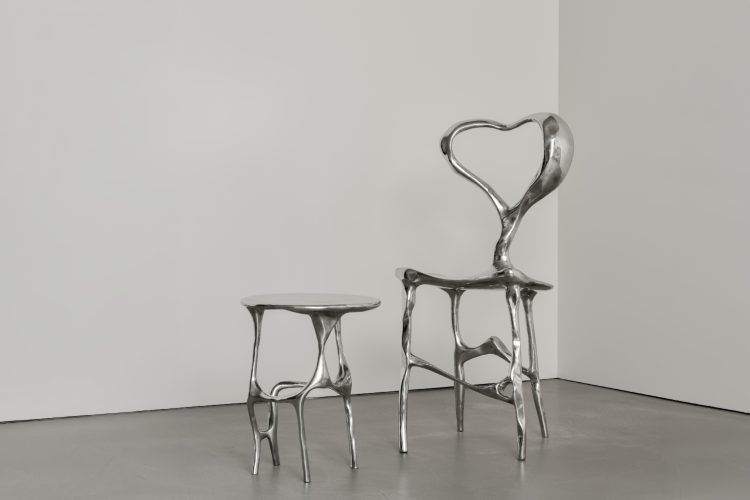
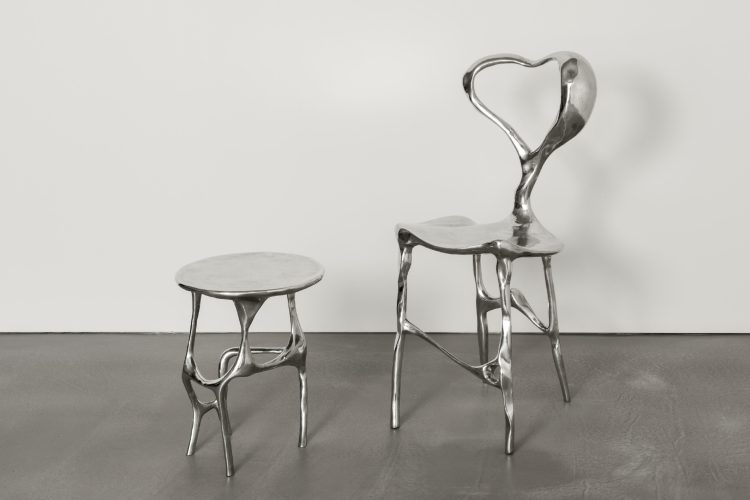
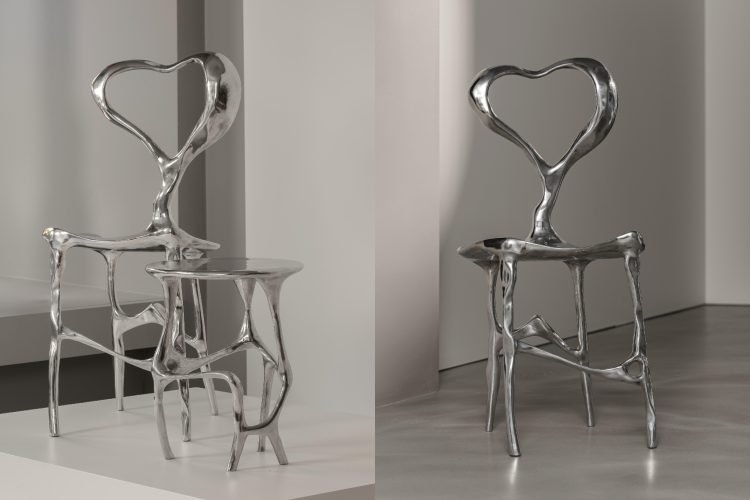
Presented in Istanbul in collaboration with ARKOBJECT, the LOVE collection consists of just two pieces – the LOVE Chair and LOVE Side Table. However, Savatli did not conceive them as simply two more functional objects for an interior. They belong to the world of collectible design, occupying the space between furniture, art object and sculpture.
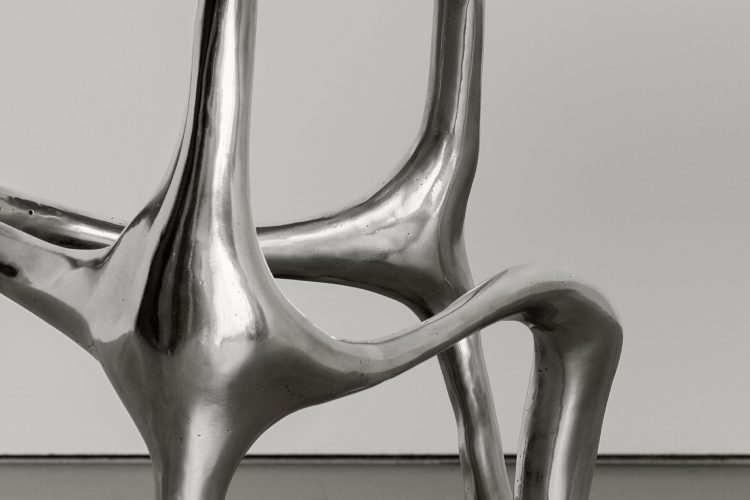
Both pieces emerge from the same visual language: lines extend, branch out, change direction and reconnect, creating forms that feel simultaneously familiar and unexpected.
A Heart That Is More Than Decoration
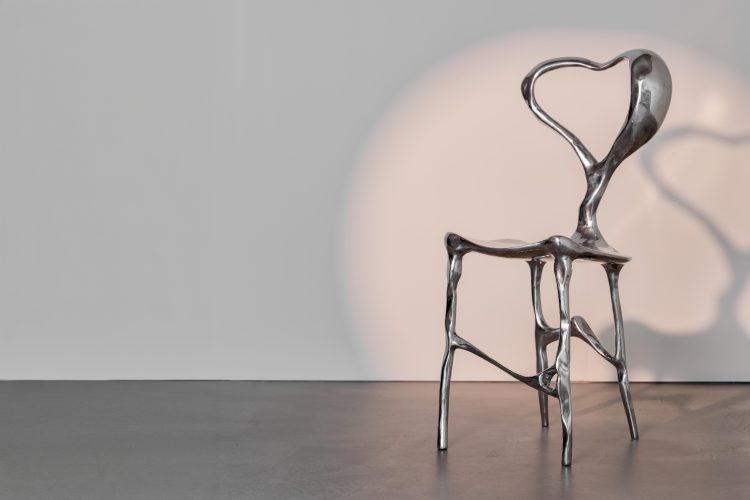
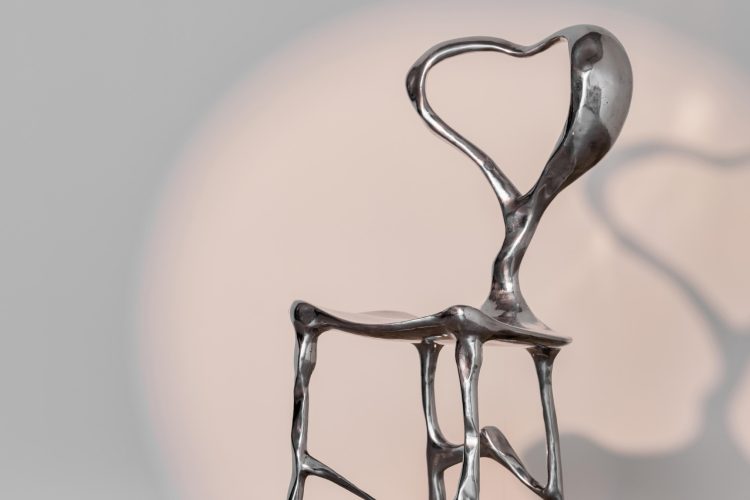
The most expressive piece in the collection is undoubtedly the LOVE Chair.
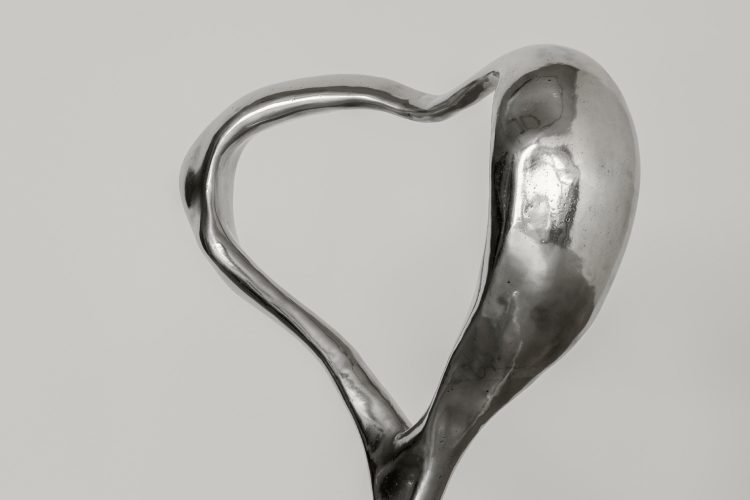
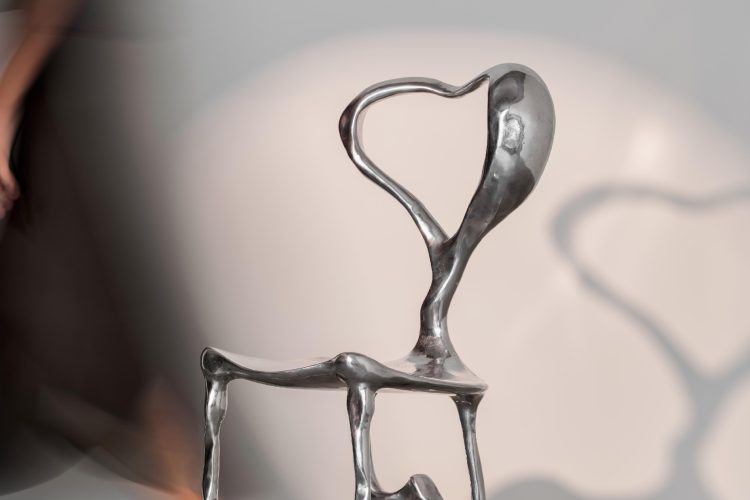
At first glance, attention is drawn to the backrest, whose form evokes the shape of a heart, yet Savatli avoids the most obvious solution. The heart is not drawn, applied or added as decoration. Its silhouette emerges from the very structure of the chair itself.
The asymmetrical backrest transitions from a slender line into a fuller volume, causing the familiar symbol to change depending on the angle from which it is viewed. The chair therefore operates on two levels – as an object designed for the body and as a sculptural piece capable of transforming the character of the space around it.
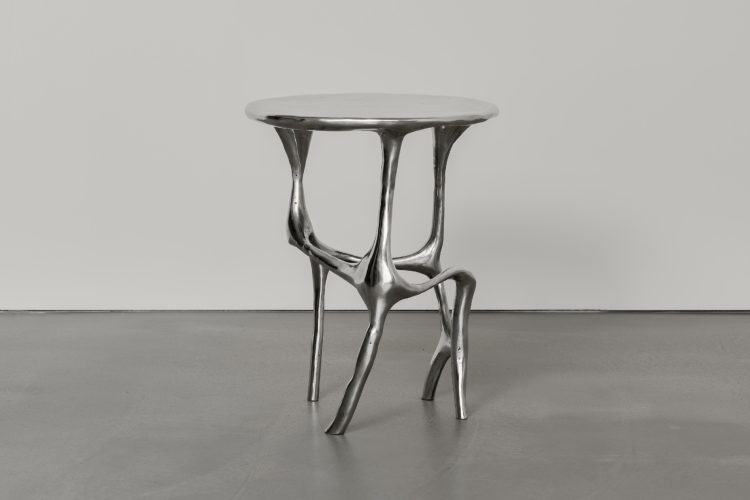
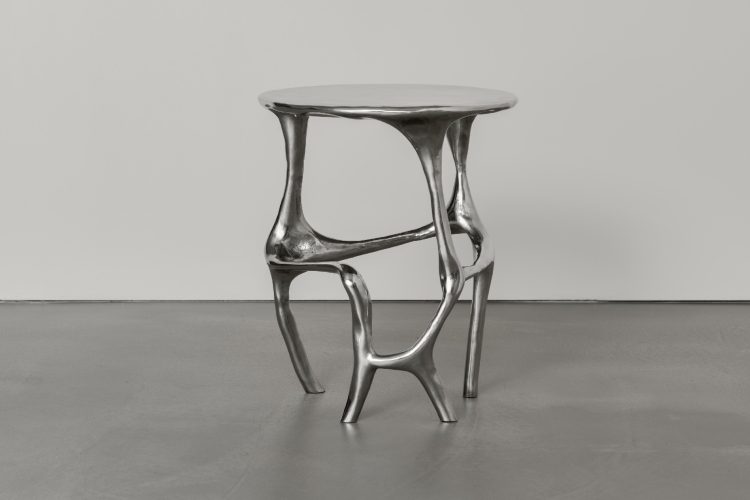
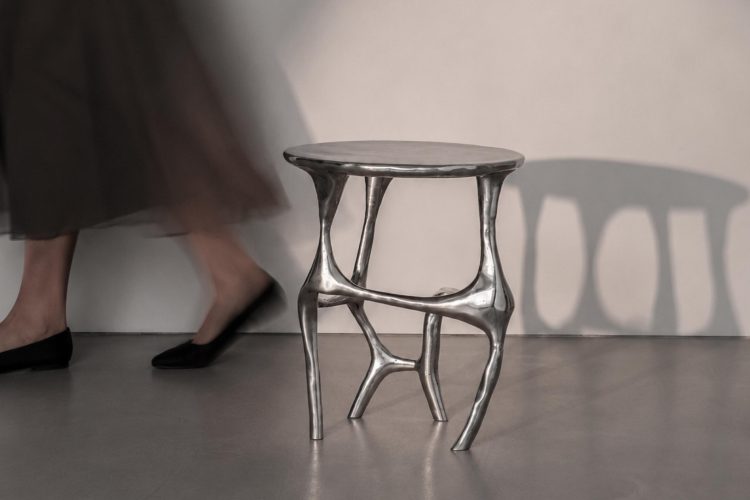
The LOVE Side Table continues the same idea on a smaller scale. The side table adopts the chair’s fluidity, material and sense of movement, allowing the two objects to function as a unified composition while each retains a strong enough identity to exist independently.
Hand-Finished Aluminum Makes Every Piece Different
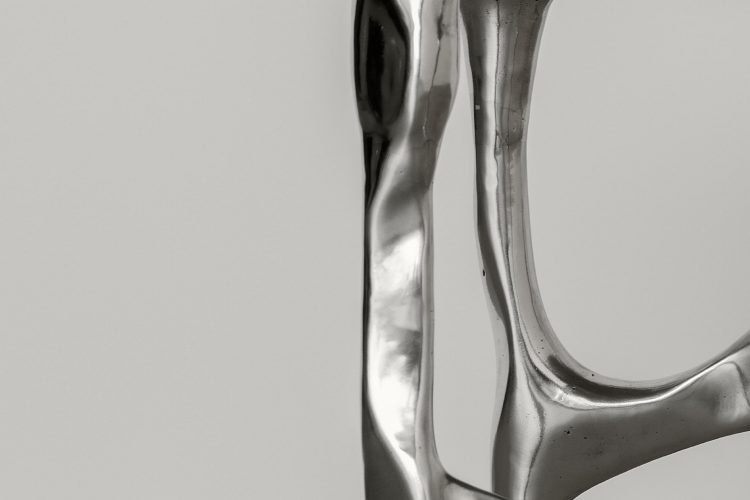
The LOVE Chair and LOVE Side Table are crafted from cast aluminum, with each individual piece finished by hand.
What is particularly interesting is that Savatli makes no attempt to erase every trace of the production process. Subtle variations in texture and surface are intentionally left visible, turning the character of the material itself into part of the collection’s aesthetic.
At a time when industrial production strives for almost perfect uniformity, this approach gives each object a sense of individuality. Minor irregularities are not flaws to be concealed, but evidence of the process through which the object was created.
It is precisely for this reason that LOVE has far more in common with collectible sculpture than with a conventional furniture collection.
Furniture That Wants to Transform the Space Around It
With this collection, Sami Savatli explores the moment when a functional object acquires its own artistic autonomy.
The LOVE Chair and LOVE Side Table still have clearly defined purposes, but their presence is not limited to sitting or providing a surface for objects. Their lines interact with architecture, negative space and light, making the way they are positioned almost as important as the design itself.
That is also the essence of contemporary collectible design: an object does not have to choose between art and functionality.
It can be both.
Sami Savatli Between Interior Design and Sculpture
Istanbul-based designer Sami Savatli works across interior design, furniture and collectible objects, with his practice characterized by an exploration of materials, form and the ways in which objects influence our perception of space.
The LOVE collection may be one of the clearest expressions of that approach.
With just two pieces, no unnecessary elements and one of the world’s most recognizable symbols hidden within the structure itself, Savatli manages to transform love into something tangible – without resorting to the expected sentimentality.
The result is a collection that could feel equally at home in a sophisticated contemporary interior, a private design collection or a gallery space.
And perhaps that is precisely its greatest appeal: LOVE does not simply attempt to represent love. It attempts to give it form.