Photo: Rémi Carreiro
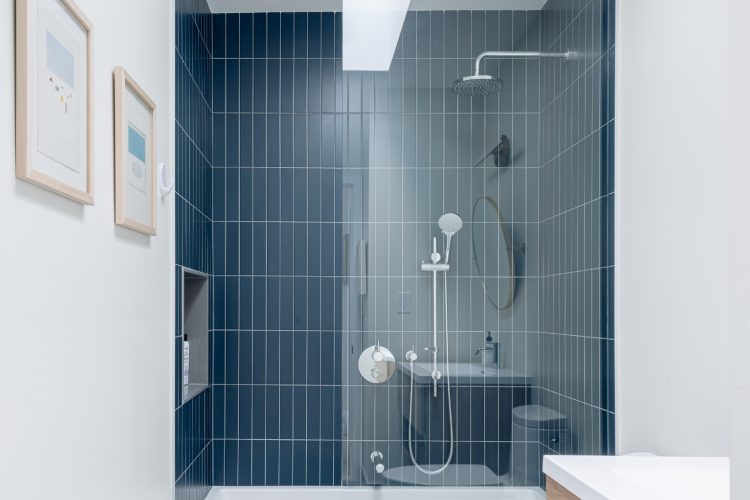
Photo: Rémi Carreiro
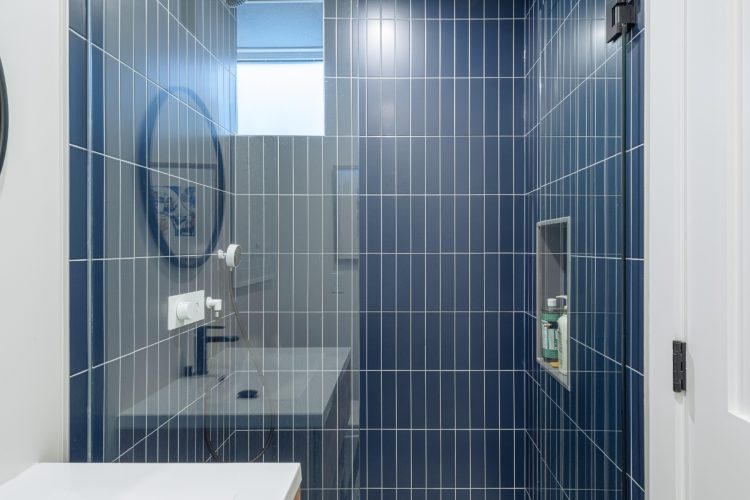
Photo: Rémi Carreiro
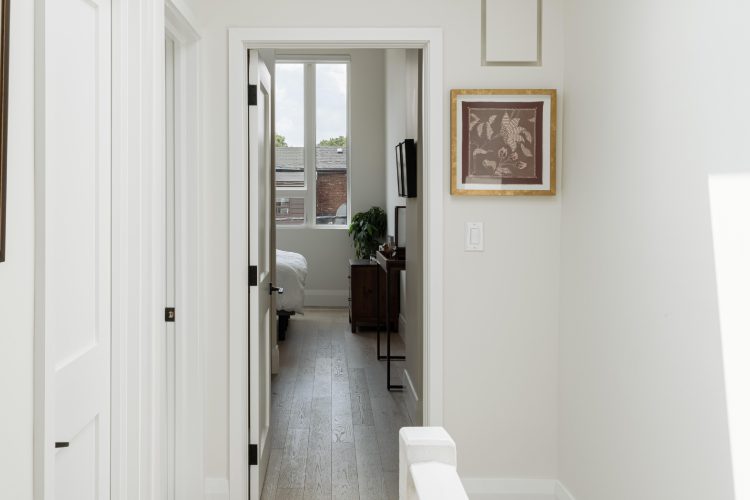
Photo: Rémi Carreiro
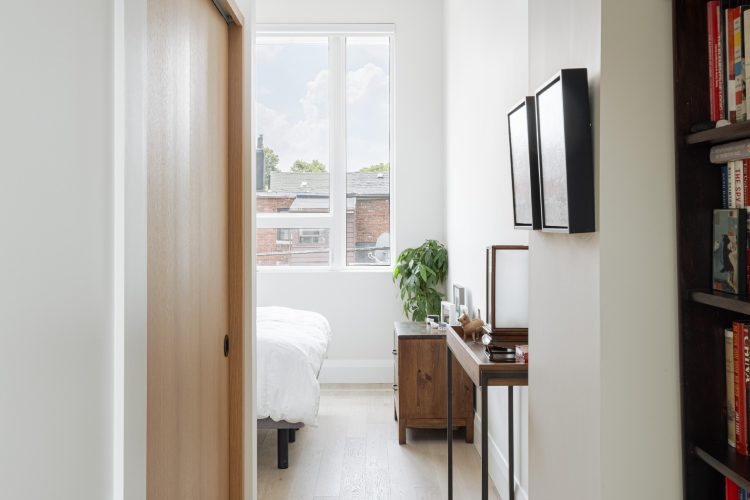
Photo: Rémi Carreiro
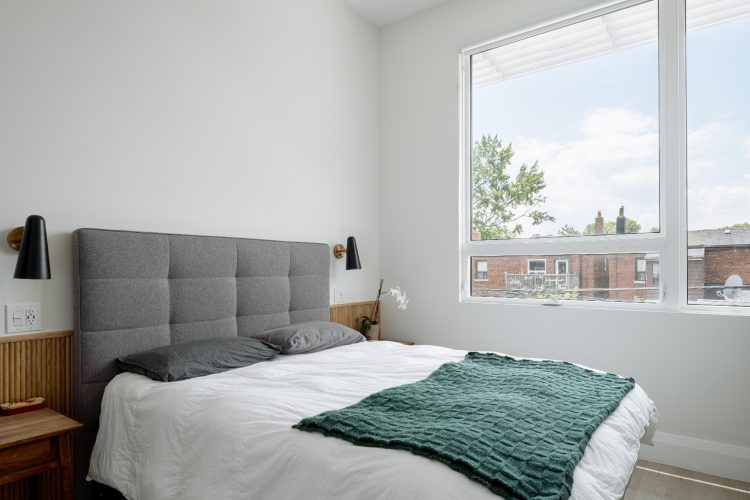
Photo: Rémi Carreiro
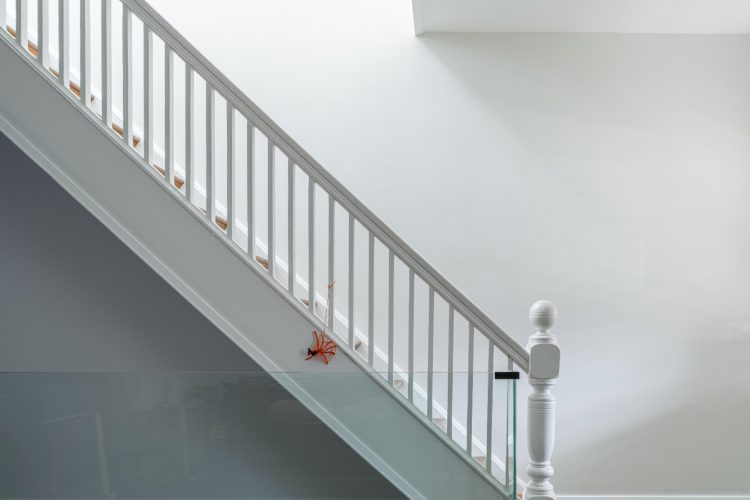
Photo: Rémi Carreiro
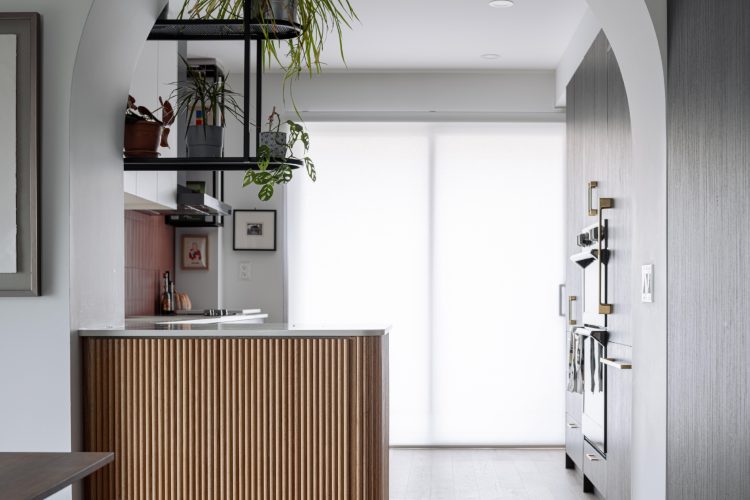
Photo: Rémi Carreiro
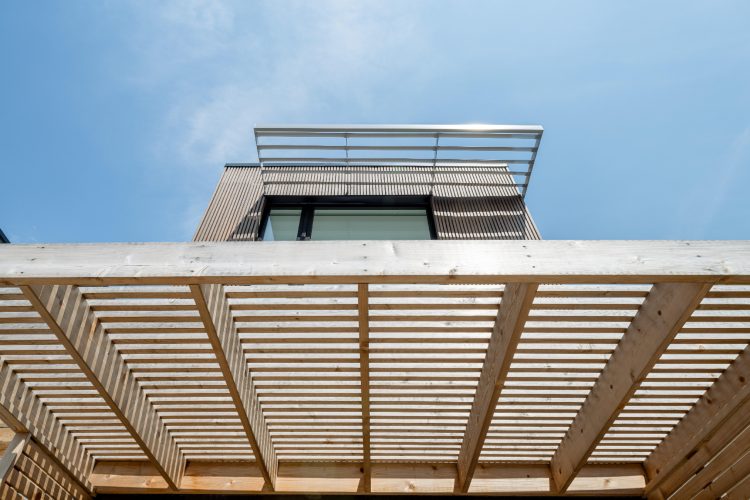
Photo: Rémi Carreiro
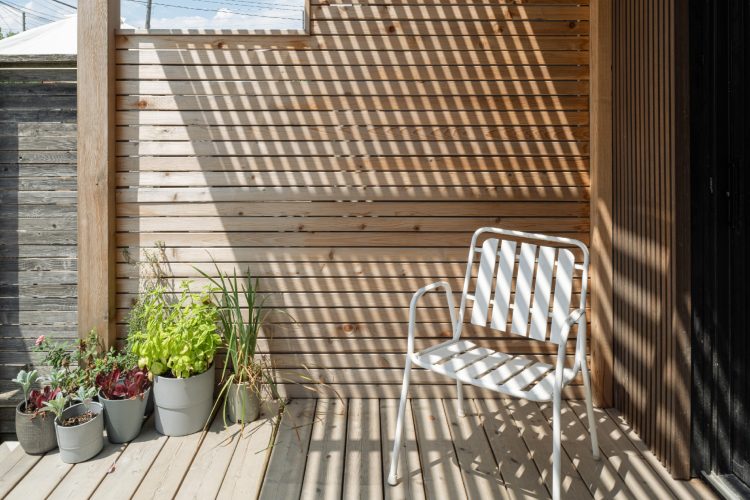
Photo: Rémi Carreiro
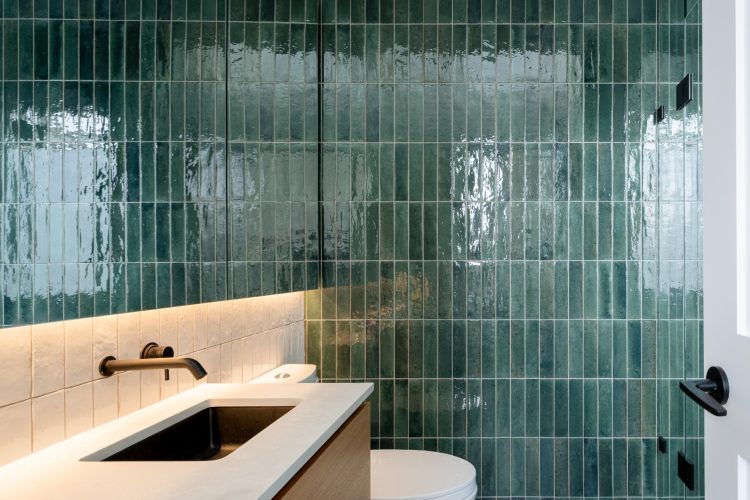
Photo: Rémi Carreiro
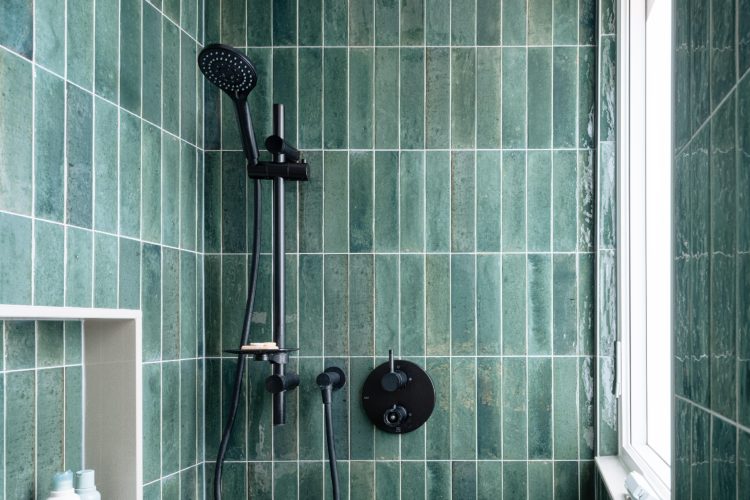
Photo: Rémi Carreiro
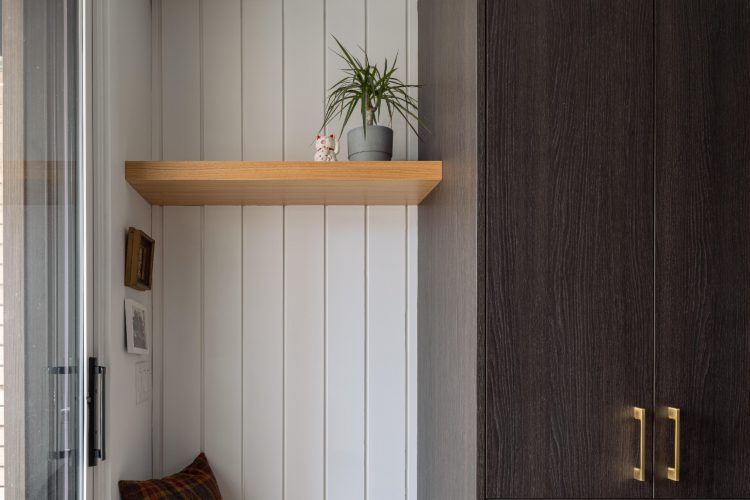
Photo: Rémi Carreiro
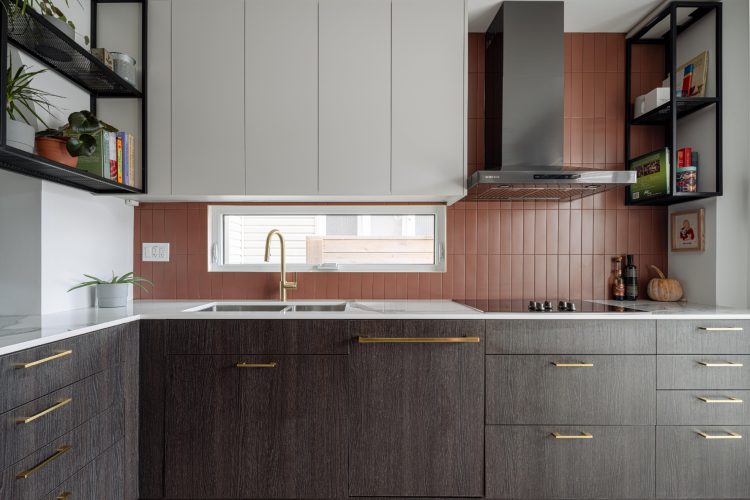
Photo: Rémi Carreiro
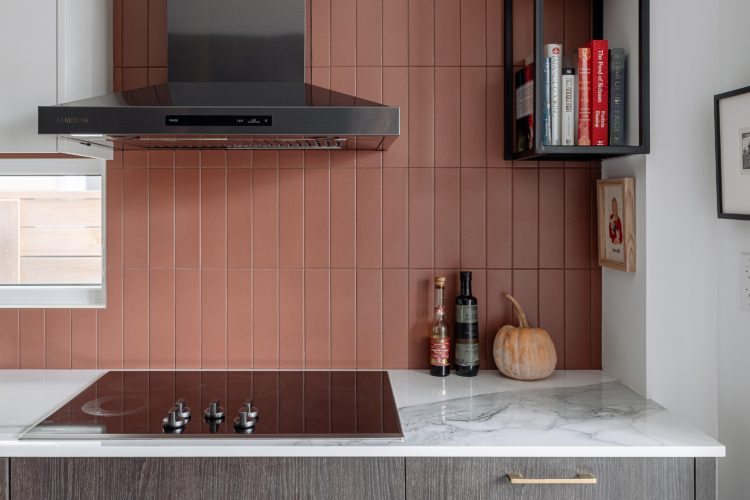
Photo: Rémi Carreiro
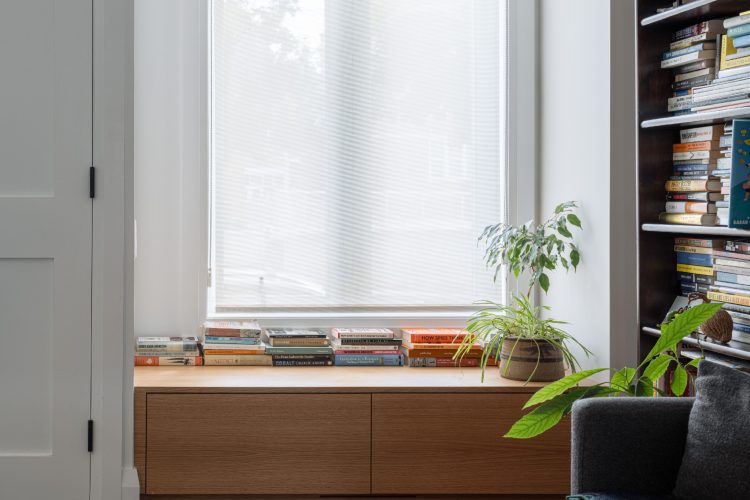
Photo: Rémi Carreiro
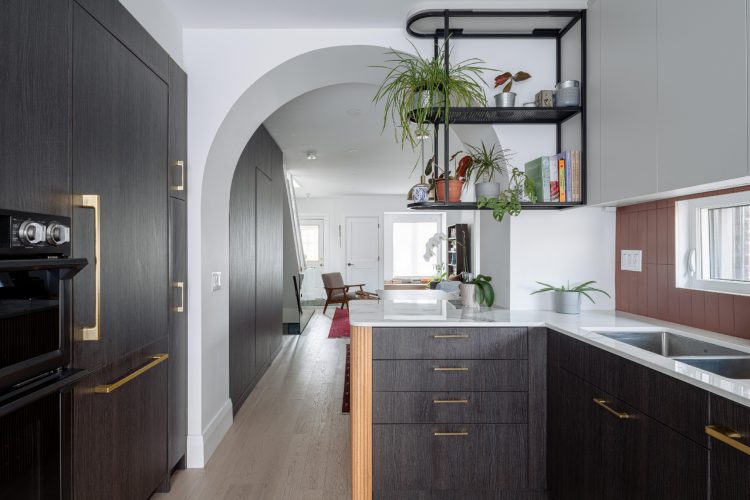
Photo: Rémi Carreiro
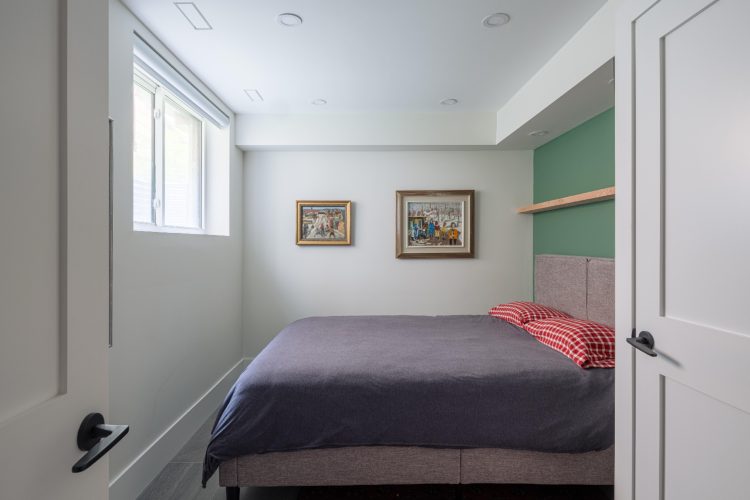
Photo: Rémi Carreiro
More photos
In a quiet part of Toronto, in the Wallace Emerson neighborhood, architecture studio Picnic Design transformed a house from the 1920s into a striking and highly functional home inspired by art.
The project, titled House for an Art Lover, was conceived as a response to the owner’s extensive collection of contemporary artworks, which became the central inspiration for shaping the entire interior environment.
The goal was to create a home that would be practical for everyday living while also functioning as a visually powerful, almost gallery-like space where architecture and art exist in a harmonious dialogue.
From the earliest design stages, the homeowner’s art collection played a key role in guiding the architectural concept. The designers aimed to connect the various functional zones on the ground floor through a series of shared elements, creating a space that feels playful yet visually cohesive.
The influence of modern art is clearly visible in the interior through the interplay of lines, contrasts, and color. The space is organized through carefully defined transitional zones highlighted by bold color accents—deep blue and turquoise tiles in the bathrooms, and warm terracotta tones in the kitchen. Changes in materials and textures emphasize transitions between spaces, adding rhythm and dynamism to the interior.
Natural light also plays a crucial role in the design. Open sightlines between rooms, carefully framed views, and the addition of a skylight in the upstairs hallway allow daylight to penetrate deep into the house, creating a sense of openness within a structure that once felt compact and enclosed.
The previously small entryway was expanded into a vestibule almost one and a half meters deep that stretches across the entire width of the house. Dark floor tiles clearly define this transitional zone, creating a strong contrast with the living space finished in wide-plank light oak flooring.
Within the vestibule, a distinctive element designed by Picnic Design appears: a window bench with hidden storage. This feature acts as both a visual focal point and a subtle meeting point between the living and dining areas.
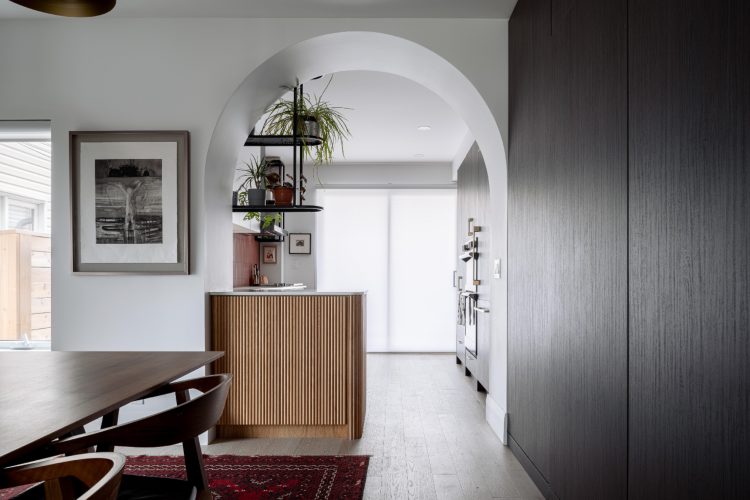
One of the most striking interior elements is a long wall unit made of dark laminate with a pronounced wood texture, known as the Black Strip. This element connects the living room with the kitchen and visually links the original portion of the house with the newly built rear extension.
At the front of the home, this wall discreetly conceals the guest bathroom with flush panels and hidden hardware. Further along, it transforms into a series of tall kitchen cabinets housing integrated appliances such as the refrigerator and oven, maintaining a seamless design continuity across different functional areas.
The element concludes with a white oak bench positioned next to glass doors that lead to the rear terrace.
The entrance to the kitchen is marked by a large arched opening through which a perforated black metal shelf becomes visible. Beneath it sits a peninsula that, when viewed from the living room, appears as a graphic focal point within the space.
The countertop is crafted from a light porcelain slab, while the base of the peninsula is clad in curved solid oak panels that introduce an engaging textural contrast. Above the sink, a narrow horizontal window allows natural light to enter between the matte grey upper cabinets.
The previously unfinished basement has been raised by nearly half a meter and converted into a fully functional level of the house. It now includes a guest bedroom, bathroom, laundry room, mechanical space, and a recreational area. The entire basement is equipped with energy-efficient hydronic underfloor heating.
At the rear of the house, a new extension with an additional level was constructed to introduce more natural light into the interior. The primary bedroom features a three-meter-high ceiling and a bathroom inspired by Zen aesthetics.
A large west-facing window is protected by an external brise-soleil system that blocks high summer sun and reduces overheating, while still allowing winter sunlight to enter thanks to the lower angle of the sun.
The exterior of the extension is clad in a vertical façade with sculptural relief profiles made from recycled composite Brazilian ipe wood, giving the building a contemporary rhythm through the play of light and shadow.
The backyard, once an underused and neglected space, has been transformed into an inviting outdoor gathering area. A spacious cedar deck and pergola provide comfortable outdoor living, while a Douglas fir carport canopy offers shelter without blocking natural light.
Through this carefully considered renovation, Picnic Design created a home where architecture, art, and daily life function as a unified experience. The space feels bold and playful, yet remains highly practical and livable.
The result is a house that serves not only as a residence but as an extension of its owner’s artistic sensibility—a powerful example of how architecture itself can become a form of functional art.
The project House for an Art Lover received the Architecture Master Prize in the category of single-family residential interior design.