























More photos
There are rare cars, there are collectible cars, and then there are examples whose combination of specification, provenance and historical significance is virtually impossible to replicate.
One such car is about to change hands: a 2010 Lamborghini Murciélago LP 670-4 SV, one of only five known examples equipped with the legendary six-speed manual transmission and its exposed metal gated shifter.
But even that is not what makes this particular car so special.
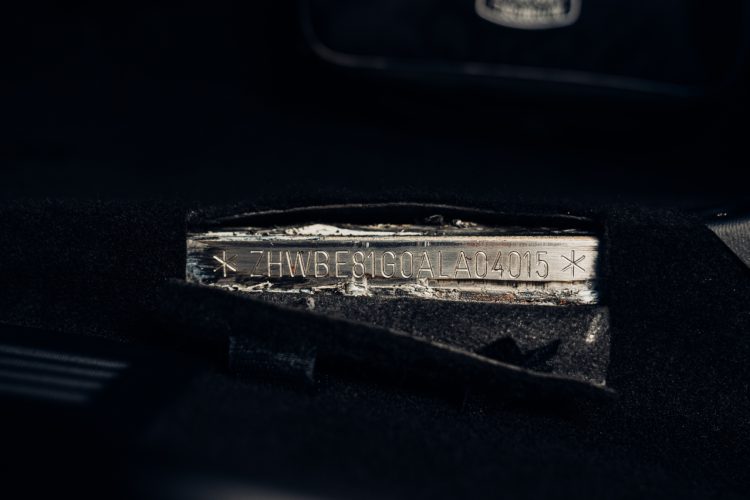
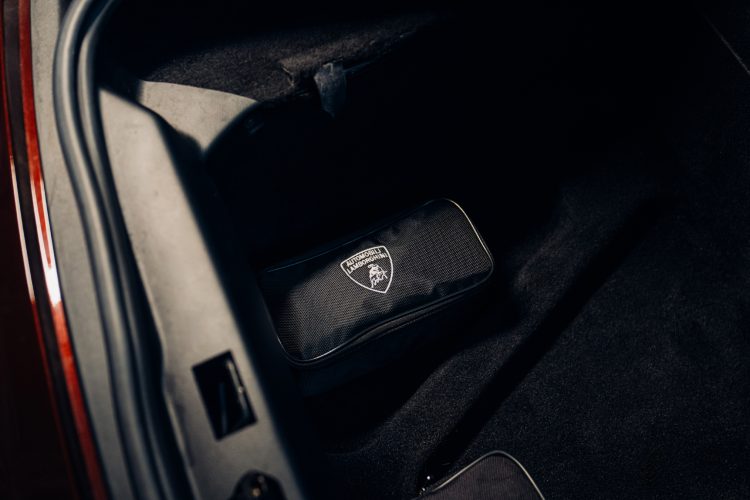
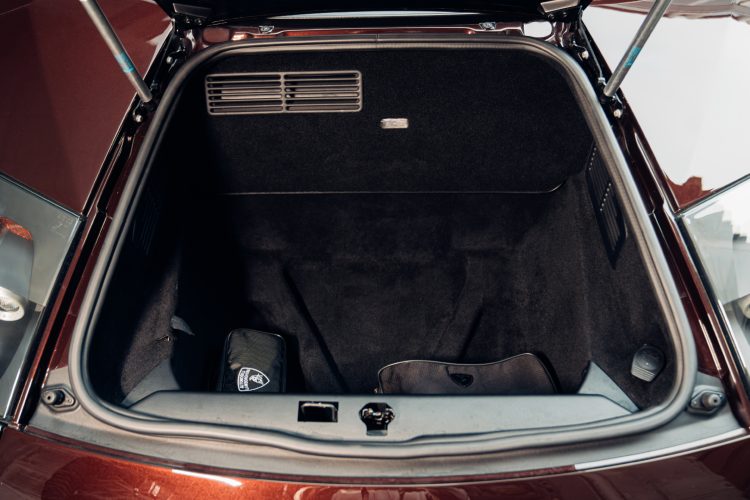
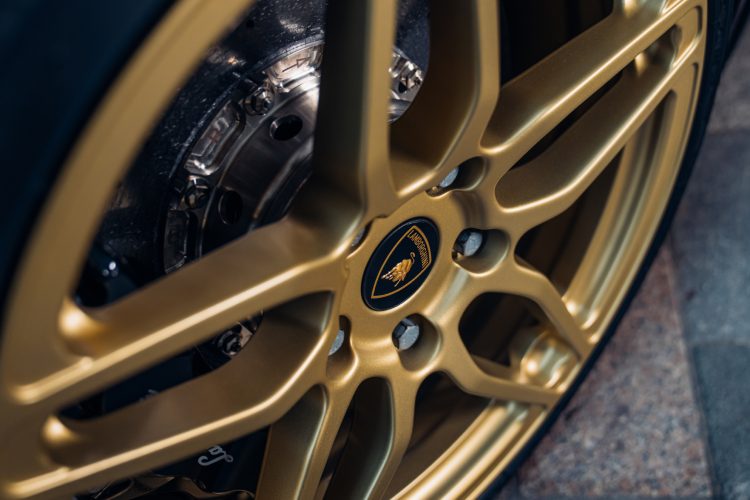
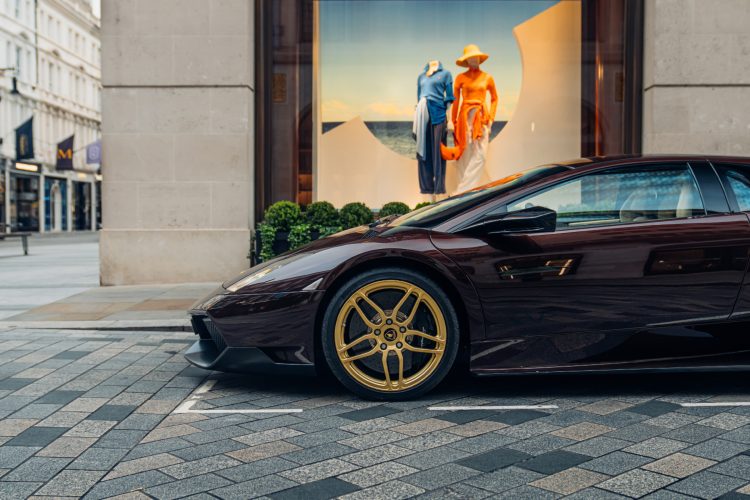
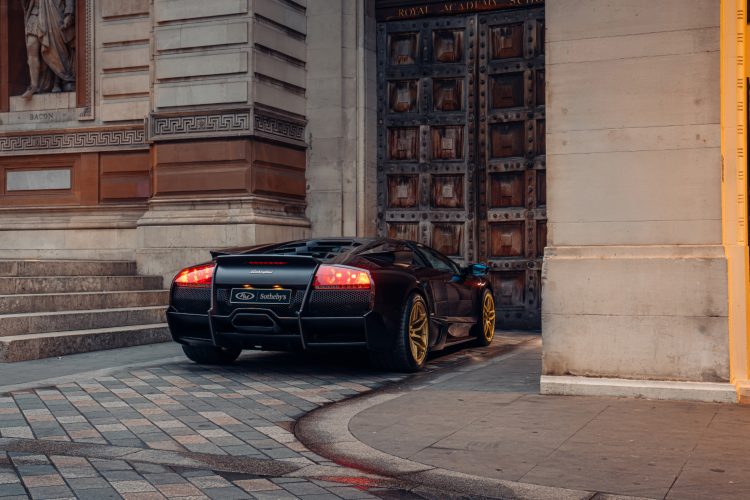
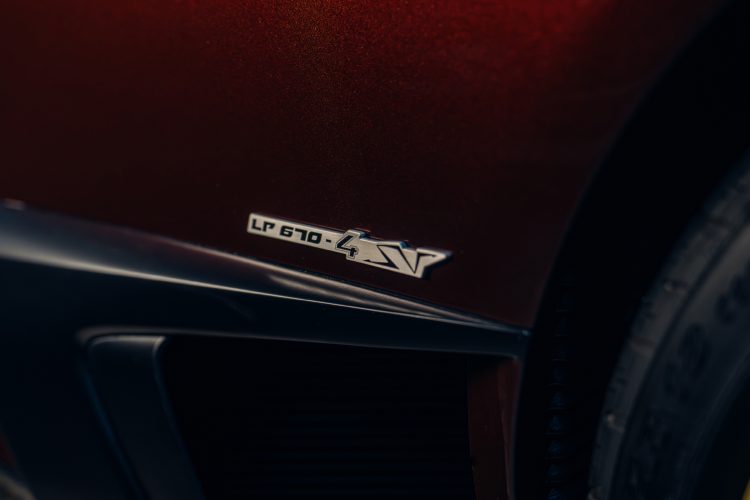
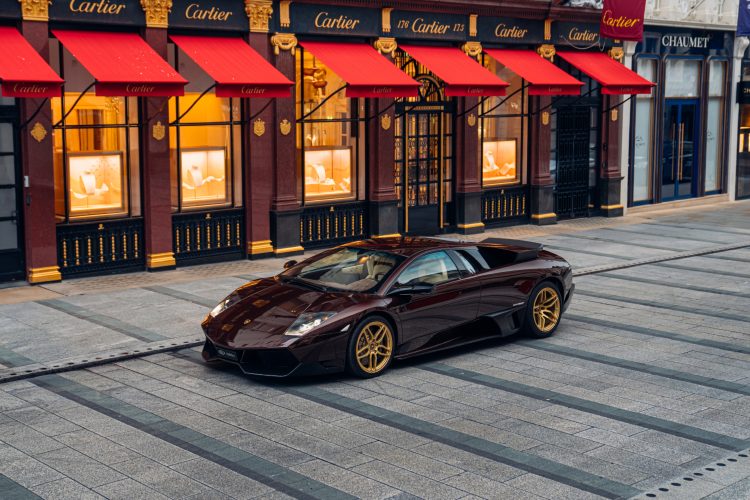
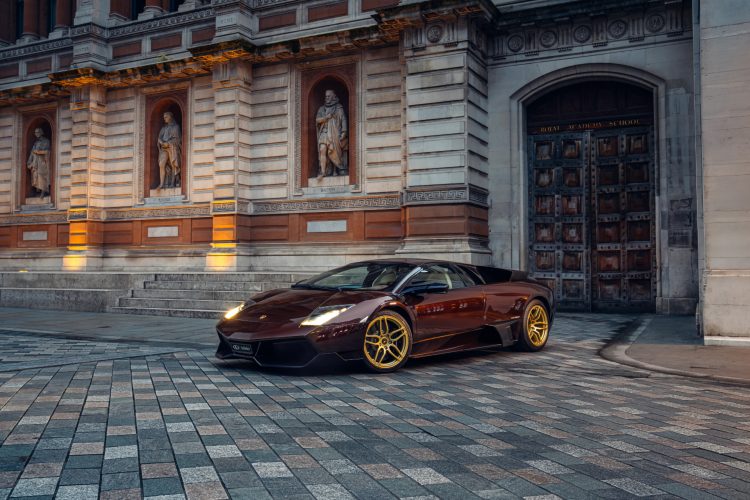
Chassis number 4015 is the only known Murciélago LP 670-4 SV finished in the exclusive Ad Personam Marrone Eklipsis color. It also features the rare Low Drag rear wing, a specially configured interior and just 7,906 kilometers on the odometer. It is also believed to be the final manual LP 670-4 SV to leave the factory in Sant’Agata Bolognese – potentially making it the last factory-produced Lamborghini to combine a V12 engine with a manual transmission.
RM Sotheby’s will offer the car without reserve in a special online auction beginning August 24, with bidding closing on August 26, 2026.
A Murciélago Almost Nobody Could Order
The Murciélago occupies a special place in Lamborghini history. It was the first model developed entirely under Audi ownership, yet it retained almost everything that had given the Italian marque’s previous V12 models their cult status.
Its dramatic silhouette was designed by Luc Donckerwolke, while behind the driver sat a naturally aspirated V12 whose roots could be traced back to Giotto Bizzarrini’s legendary engine. It was a direct continuation of the bloodline established by the Miura, Countach and Diablo – loud, dramatic and far less filtered than the supercars that would follow.
The final and most extreme evolution arrived in 2009 as the Murciélago LP 670-4 SuperVeloce.
Its V12 displaced 6.5 liters, weight was reduced by 100 kilograms and power increased by an additional 30 hp compared with the LP 640. The exhaust and ignition systems, variable valve timing, suspension, aerodynamics and body structure were all modified.
As a result, the power-to-weight ratio increased from 379 to an impressive 422 hp per tonne.
Approximately 300 examples of the LP 670-4 SV were produced, but the car now coming to market belongs in an entirely different category.
Only Five Were Built With a Manual Transmission
A glance between the two seats reveals the detail that will probably make collectors follow this auction particularly closely.
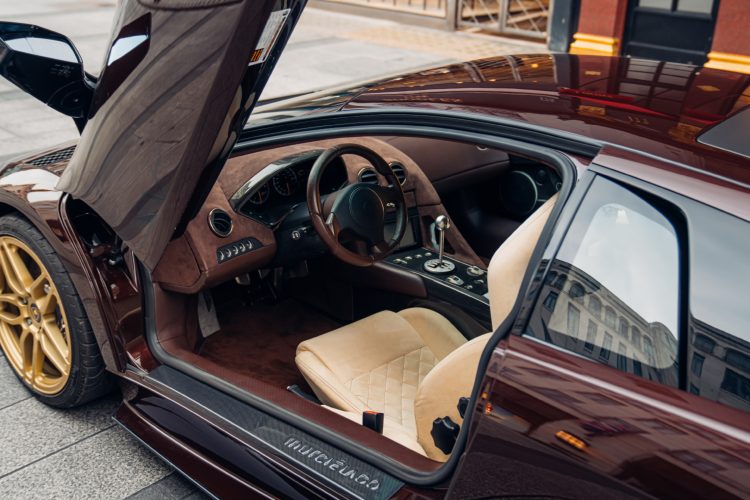
There sits the famous exposed metal gate of the six-speed manual transmission.
According to RM Sotheby’s, only five known Murciélago LP 670-4 SV examples left the factory with this transmission. Almost all the others were equipped with the E-Gear automated manual gearbox.
Today, at a time when modern performance technology has almost completely eliminated traditional manual transmissions from the supercar world, that detail carries enormous collectible significance.
And chassis 4015 is believed to be the final manual LP 670-4 SV produced.
That makes this car the symbolic closing chapter of one of the most important eras in Lamborghini history – the age of the naturally aspirated V12 connected to the driver through a traditional gear lever and exposed metal gate.
There Is Only One in Marrone Eklipsis
As if the manual transmission were not enough, the original owner used the Lamborghini Ad Personam program to create a specification that was never repeated on another LP 670-4 SV.
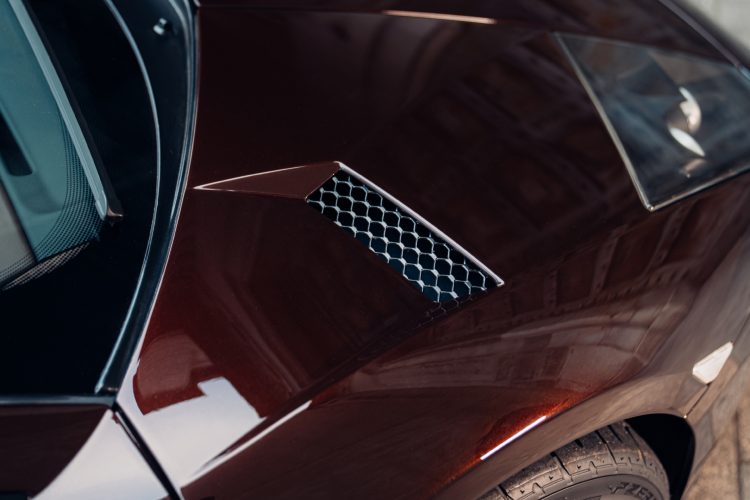
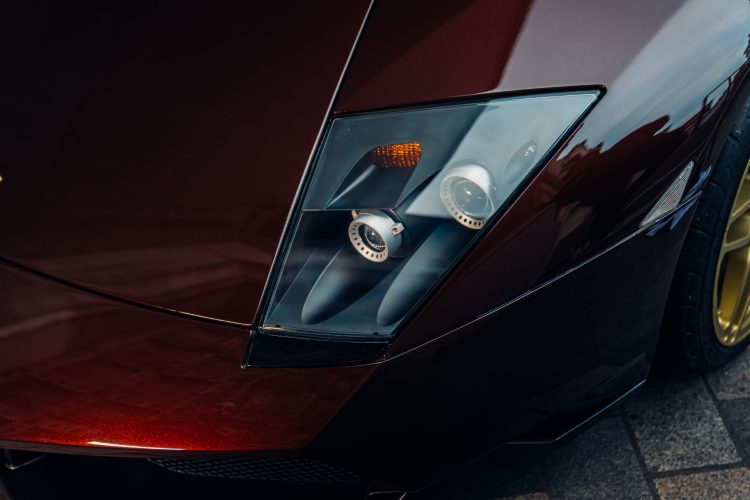
The body is finished in Marrone Eklipsis, a deep metallic brown with a fascinating connection to the Murciélago’s predecessor.
The color pays tribute to the final Diablo VT 6.0 SE series. Of those cars, 21 were finished in Oro Elios, representing sunrise, while another 21 wore Marrone Eklipsis, symbolizing sunset.
This Murciélago is reportedly the only LP 670-4 SV ever factory-finished in Marrone Eklipsis.
For a car representing the end of a Lamborghini era, it is difficult to imagine a more appropriate shade.
Without the Enormous SV Wing
Another detail separates this example from the majority of SV models produced.
When the LP 670-4 SV was introduced, one of its most recognizable features was the enormous Aeropack rear wing. It appeared on promotional cars, in magazine tests and on the vast majority of examples delivered to customers.
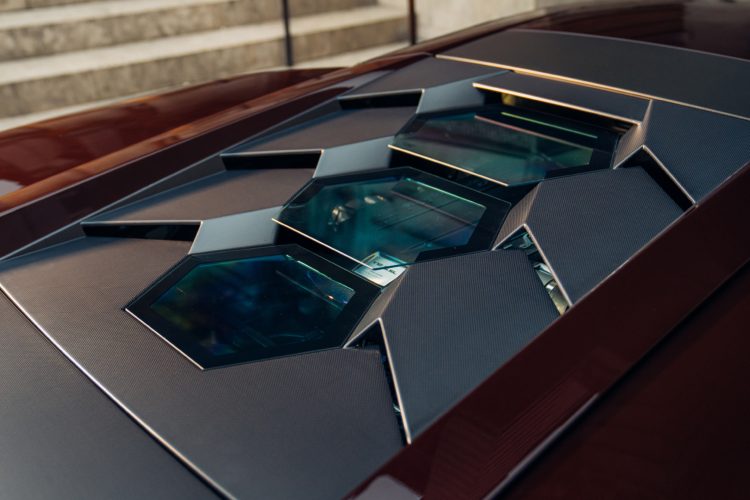
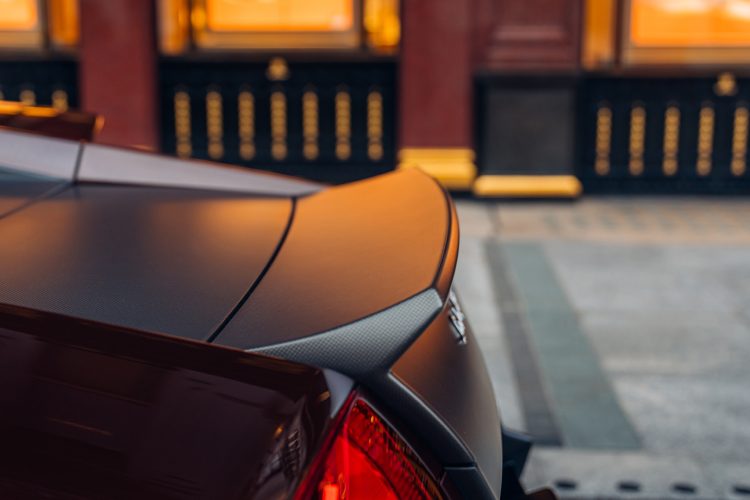
Chassis 4015, however, received the considerably rarer Low Drag Wing.
The smaller wing not only preserves the cleaner original silhouette of the Murciélago but also offers a functional advantage. Top speed increases from approximately 336 to around 341 km/h.
Only a handful of LP 670-4 SV examples were produced in this configuration.
Even the Seats Are Different
The customization continues inside the cabin.
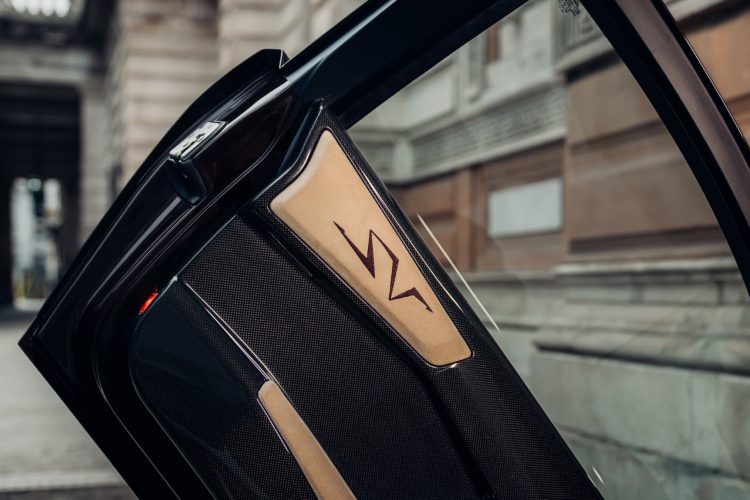
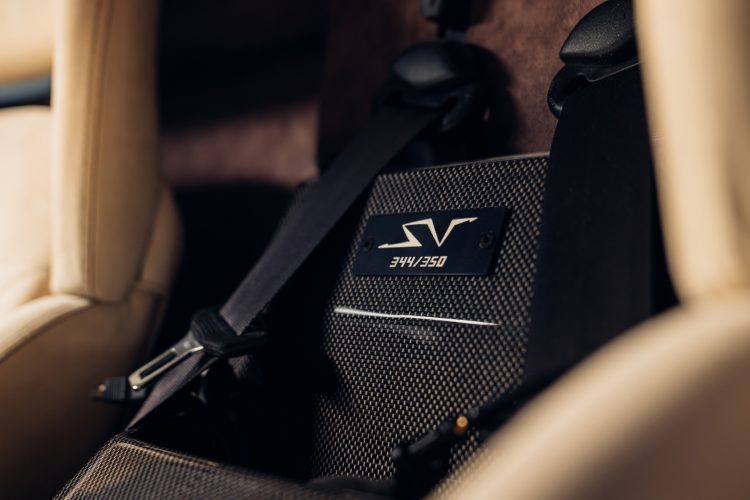
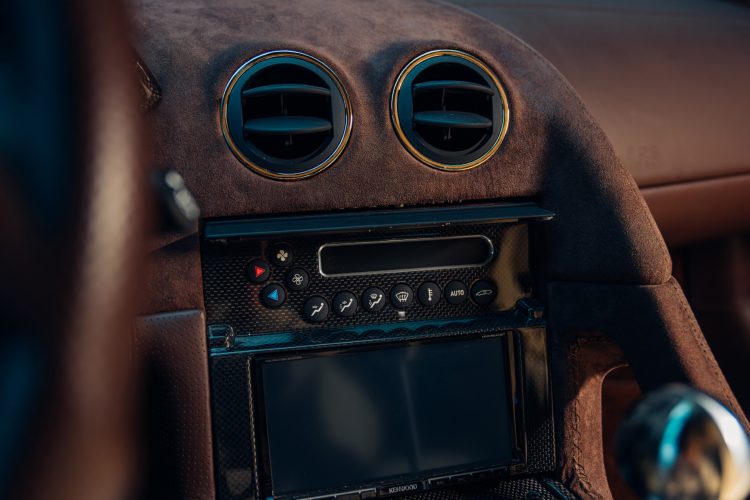
Instead of the rigid carbon-fiber sports seats typically associated with the SV, the car was ordered with the more comfortable seats from the LP640. They provide more space and better support on longer journeys, making this extreme specification slightly more practical for actual driving.
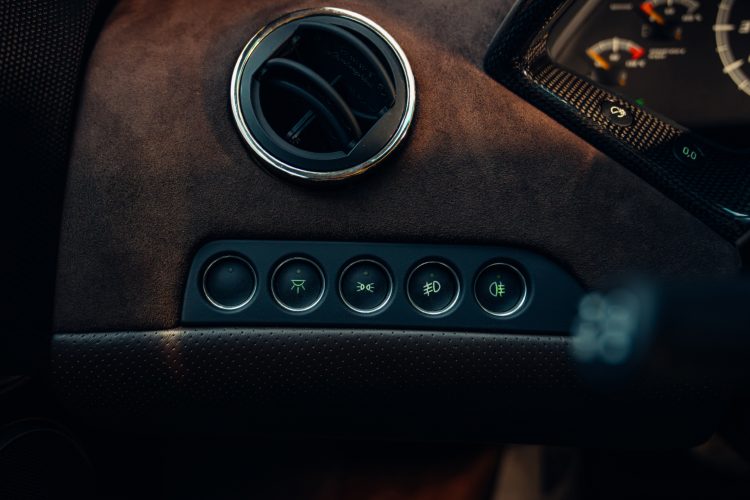
They are upholstered in Avorio Lilium leather with contrasting Grigio Phoenix stitching, while Marrone Janus Alcantara dominates the rest of the interior.
The combination of ivory and dark brown tones further distinguishes the car from the more aggressive black, yellow and orange configurations for which the SV became famous.
And despite its collectible significance, the car has not spent its entire life standing still – at the time of cataloguing, its odometer showed 7,906 kilometers.
The Last of a Completely Different Lamborghini Era
The Murciélago was created during an unusual period in the company’s history.
Lamborghini already had the technical and manufacturing support of Audi, but its cars had not yet been shaped by the modern hybrid systems, turbochargers and complex electronic technologies that make today’s extraordinary performance figures possible.
The LP 670-4 SV represents the extreme conclusion of that philosophy.
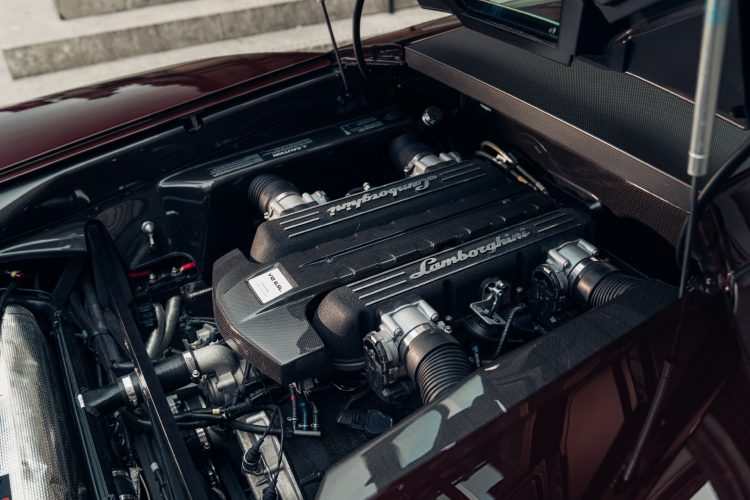
It was the final Lamborghini with a steel body structure and the last model to use an evolution of the legendary Bizzarrini V12 engine, whose history stretches back to the earliest days of the company.
Add the manual transmission, and this particular example becomes something more than another rare supercar.
It represents the physical endpoint of Lamborghini’s analog V12 era.
An Auction With No Reserve
RM Sotheby’s will offer the car as part of its Sealed – The Marrone Eklipsis Murciélago LP 670-4 SV auction, with bidding beginning at 8 p.m. on August 24 and ending at the same time on August 26, 2026.
Particularly interesting is the fact that the car is being offered without reserve, meaning there is no predetermined minimum bid that must be reached for the sale to take place.
The car is currently located in Blenheim, Ontario, Canada, although there is an important note for potential American buyers. This is a European-specification vehicle that does not currently comply with U.S. FMVSS and EPA standards, meaning it will not be eligible for legal importation and registration in the United States under the age exemption for approximately another decade.
For the rest of the collector-car world, that is unlikely to diminish interest significantly.
Another Murciélago SV may come to market. Other examples with low mileage, rare colors or unusual options will inevitably appear. But the combination of Marrone Eklipsis paint, the Low Drag Wing, LP640 seats and one of only five known manual transmissions is virtually impossible to replicate.
And if this really is the final manual V12 Lamborghini to have left Sant’Agata Bolognese, its significance extends far beyond whatever price it ultimately achieves at auction.
This is one of those cars that marks the precise moment when an entire automotive era came to an end.