Photo: Maurizio Morra per Studio Marco Piva
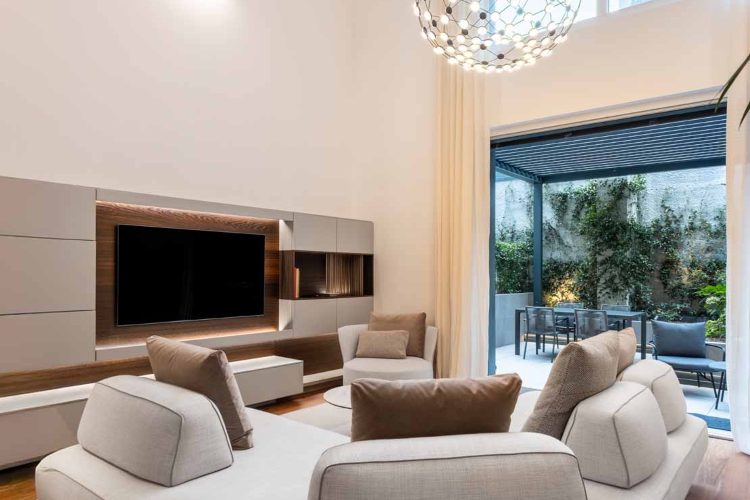
Photo: Maurizio Morra per Studio Marco Piva
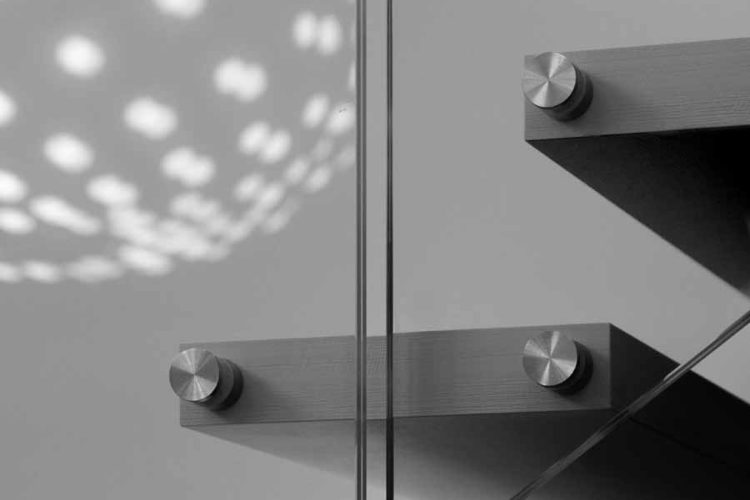
Photo: Maurizio Morra per Studio Marco Piva

Photo: Maurizio Morra per Studio Marco Piva
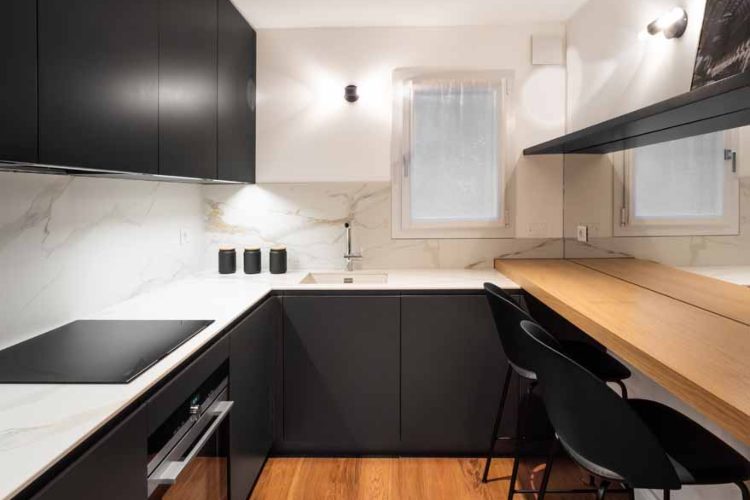
Photo: Maurizio Morra per Studio Marco Piva
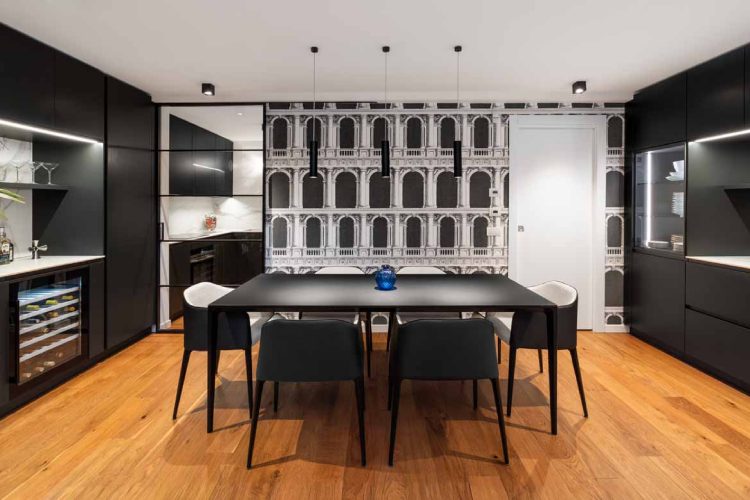
Photo: Maurizio Morra per Studio Marco Piva
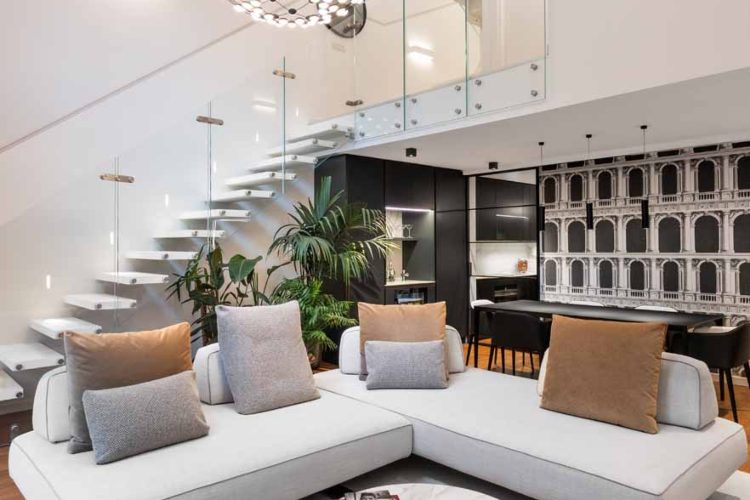
Photo: Maurizio Morra per Studio Marco Piva
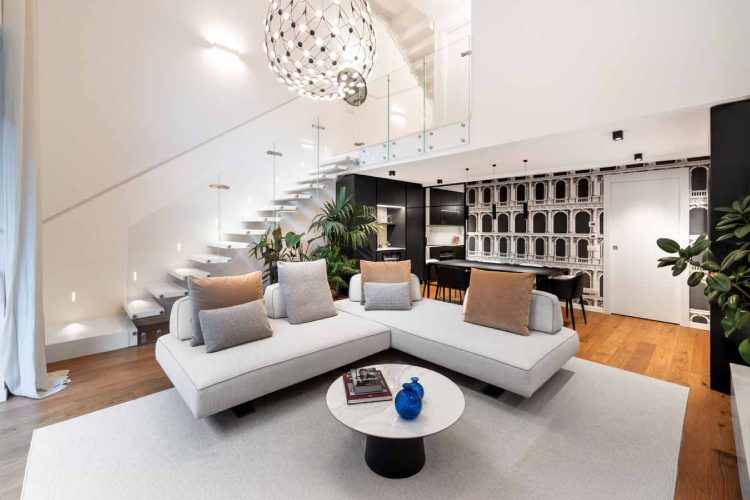
Photo: Maurizio Morra per Studio Marco Piva
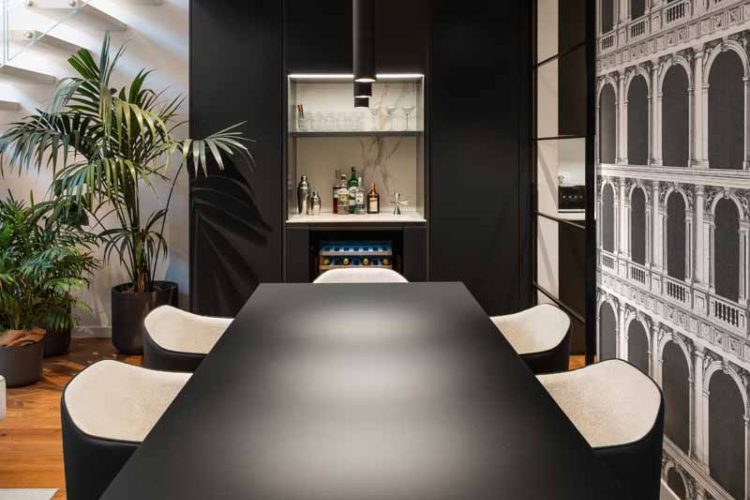
Photo: Maurizio Morra per Studio Marco Piva
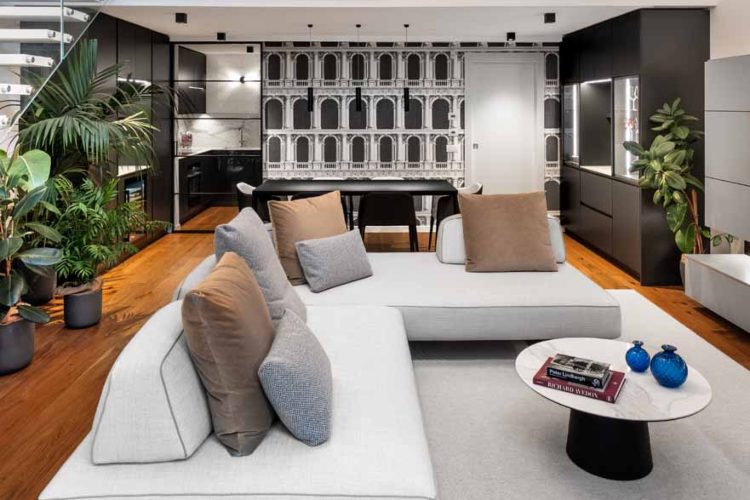
Photo: Maurizio Morra per Studio Marco Piva
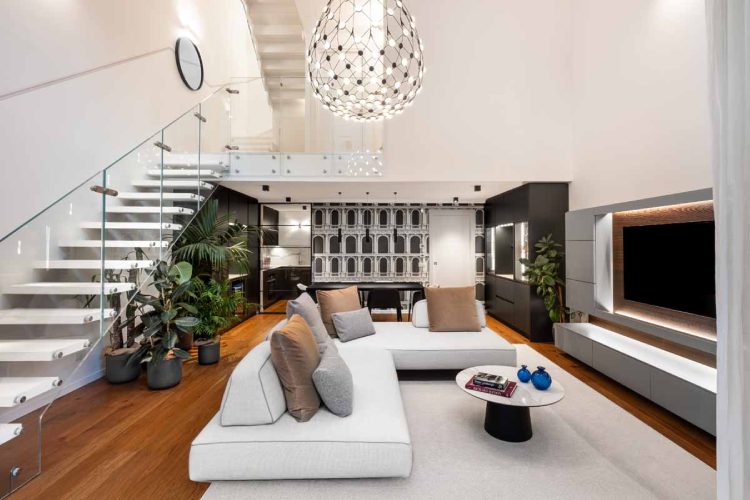
Photo: Maurizio Morra per Studio Marco Piva
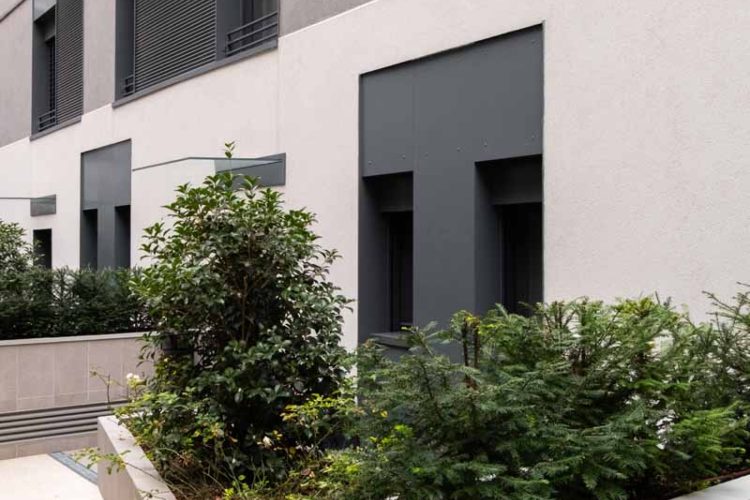
Photo: Maurizio Morra per Studio Marco Piva
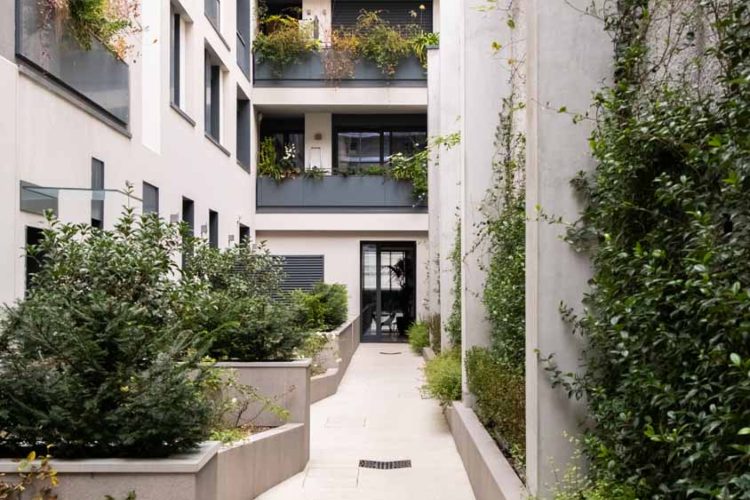
Photo: Maurizio Morra per Studio Marco Piva
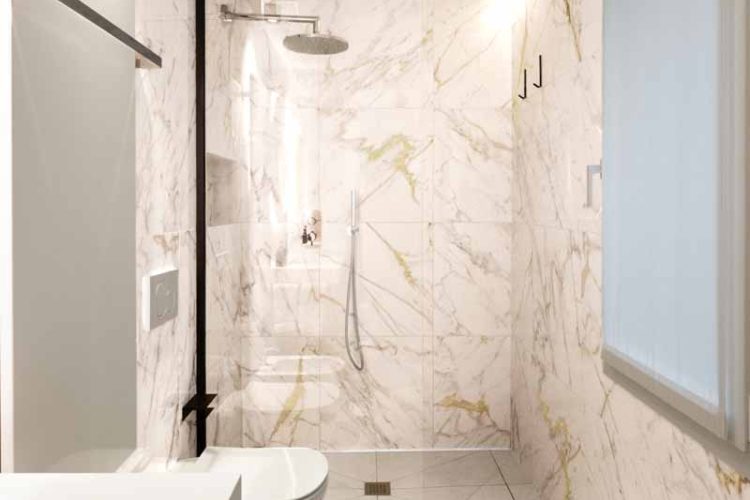
Photo: Maurizio Morra per Studio Marco Piva
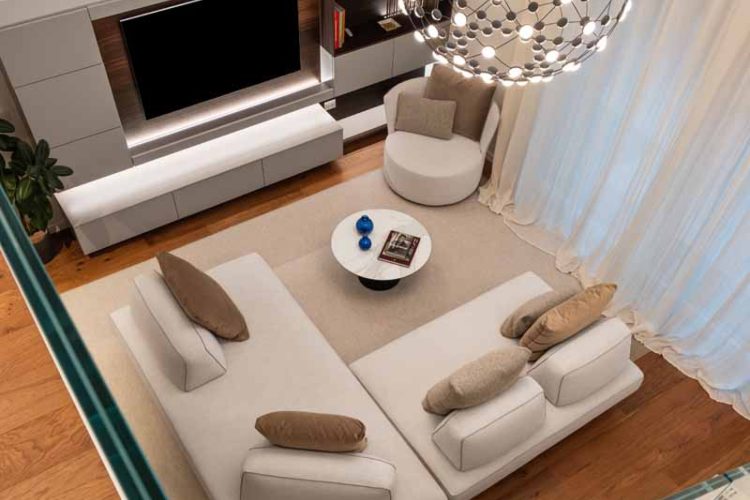
Photo: Maurizio Morra per Studio Marco Piva
More photos
In the prestigious Washington district of Milan, within a newly developed luxury residential complex, a private apartment project has been completed that reinterprets the idea of a contemporary urban villa.
The interior design was created by Studio LMA – Luigi Marchetti Architettura, while the photography was captured by Maurizio Morra for Studio Marco Piva. The apartment spans three levels and was designed for a family of five, offering approximately 130 square meters of interior space and an additional 100 square meters of outdoor areas, including a patio, garden, and rooftop terrace.
A Living Space Defined by Light and Volume
The ground floor features an entrance area that leads into an impressive double-height living room. This central space is designed to emphasize natural light and a sense of openness, while a large sofa becomes the natural gathering point for family members and guests.
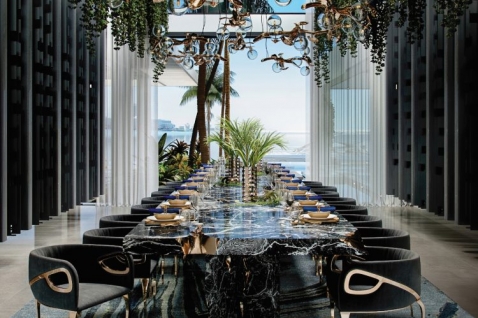
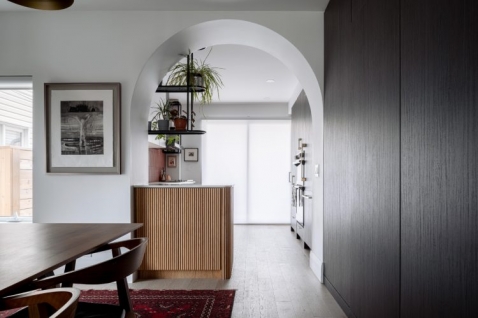
The dining area is organized around a large, minimalist table, highlighted by dark architectural accents and suspended lighting that adds a graphic character to the room. A decorative wall further defines the space, creating an elegant setting for everyday family moments.
Kitchen Design: Compact Yet Refined
The kitchen is positioned behind sliding doors, conceived as a compact yet highly functional workspace. Arranged in an L-shaped layout, it combines matte black volumes with a light marble-effect countertop.
A wooden counter introduces warmth and a more relaxed atmosphere, balancing the kitchen’s otherwise sleek and architectural aesthetic.
Seamless Indoor–Outdoor Living
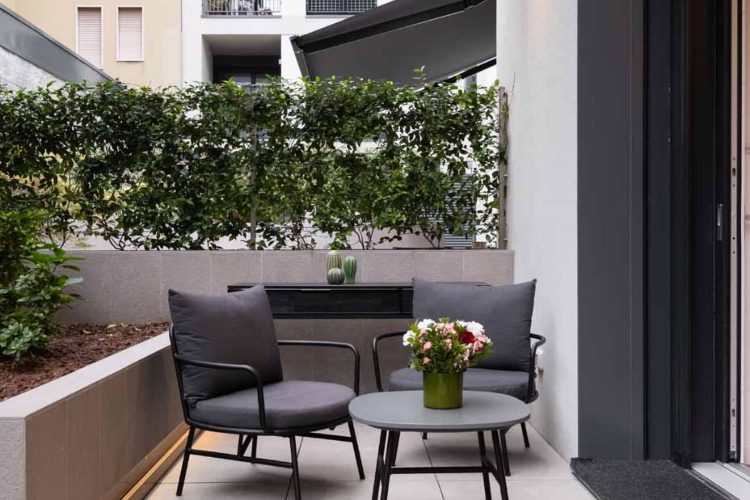
The living space naturally extends toward the exterior areas of the apartment. Large glass surfaces connect the interior with an urban patio, designed as a true outdoor living room.
A pergola filters natural light while defining a social area, and greenery along the edges ensures privacy and tranquility despite the apartment’s central urban location. This outdoor space acts as a carefully designed extension of the interior, allowing residents to enjoy the open air throughout the year.
The Staircase as a Design Statement
One of the most striking elements of the project is the staircase that connects all levels of the home. Its cantilevered steps and transparent glass railing emphasize the height of the space while allowing light to circulate freely throughout the interior.
Rather than serving solely as a functional feature, the staircase becomes a sculptural design element that adds both dynamism and elegance to the apartment.
A Palette of Subtle Elegance
The color palette relies on soft, sophisticated tones such as ivory, sand, and warm greys, harmoniously combined with natural wood flooring.
Dark architectural volumes introduce depth and contrast, while subtle color accents in textiles and decorative elements bring liveliness to the space.
Materials were carefully selected to create a feeling of lightness and understated elegance. Fluted wall panels in the bedrooms and marble-effect surfaces in the bathrooms contribute to the refined yet restrained character of the interiors.
Spaces Designed to Evolve
The children’s bedrooms follow the same design language but are adapted to different needs. One room embraces a more minimalist and functional layout, while others introduce softer textures, lighter tones, and delicate decorative details.
These rooms are designed as flexible environments that can evolve alongside their occupants.
Lighting plays an essential role in the project and is carefully integrated into the architecture. Discreet lighting systems highlight the volumes and functional zones of the apartment, while a large suspended lamp in the living room becomes a visual focal point that further emphasizes the verticality of the space.
The result is an atmosphere that changes throughout the day yet always remains calm, welcoming, and refined.
Ultimately, this project reflects the contemporary Milanese approach to living — elegant, rational, and understated. The space is shaped to support everyday life while offering a high level of aesthetic and functional quality.
The result is a home that feels natural, authentic, and balanced, where architecture quietly follows the rhythm of its inhabitants.