


More photos
And that’s with a $55,000 “diet” that sheds only about as much weight as a golden retriever…
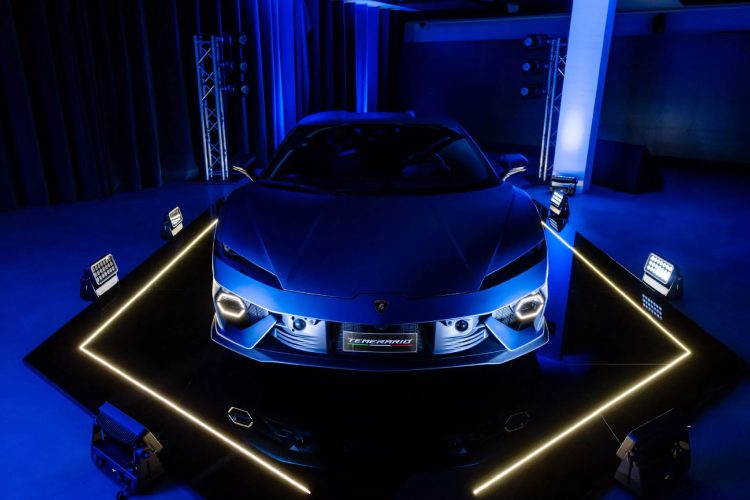
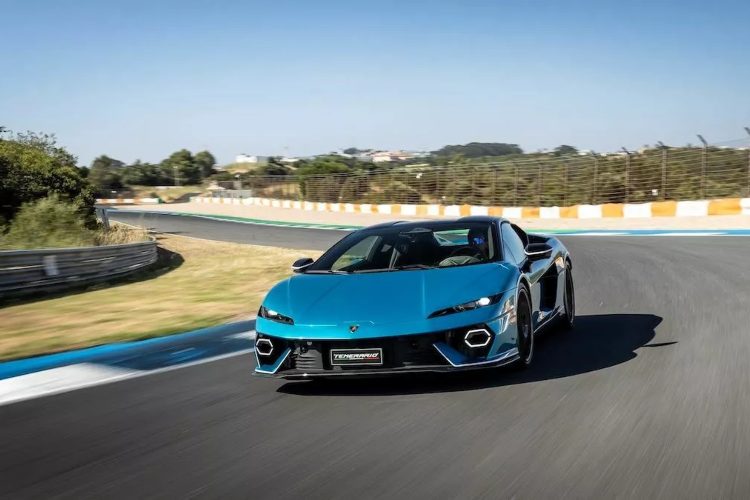
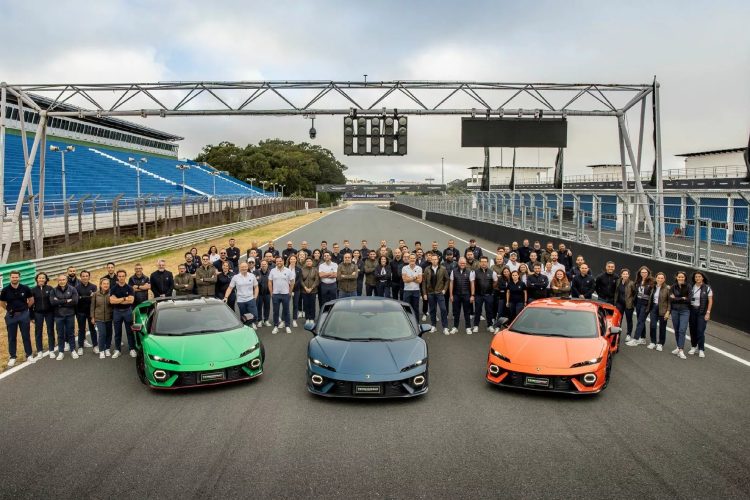
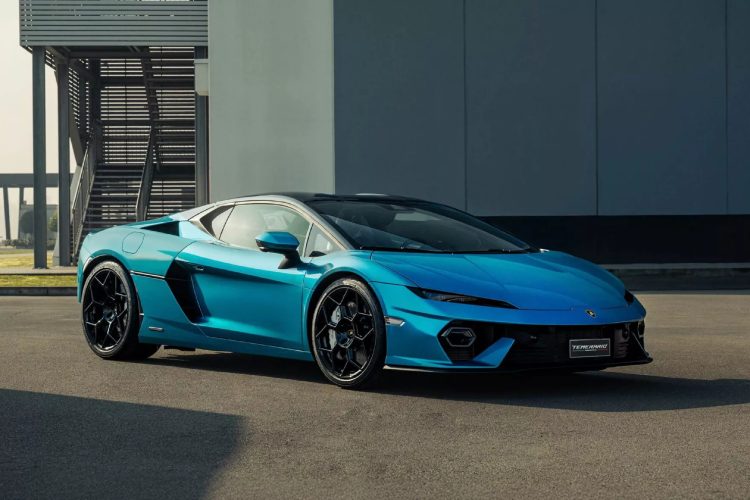
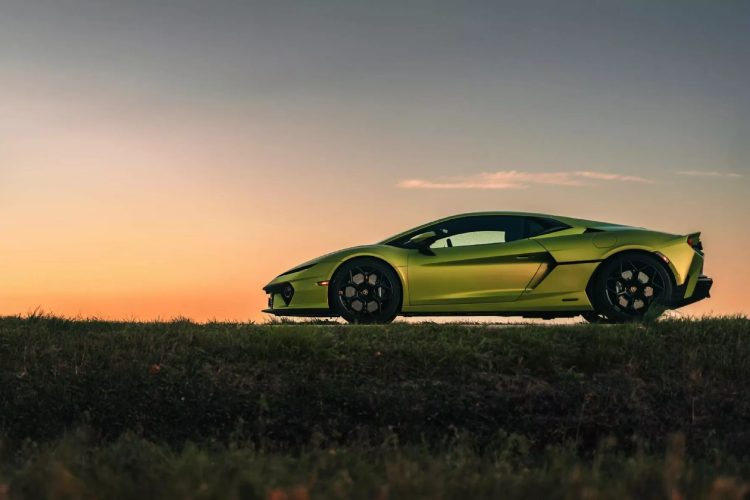
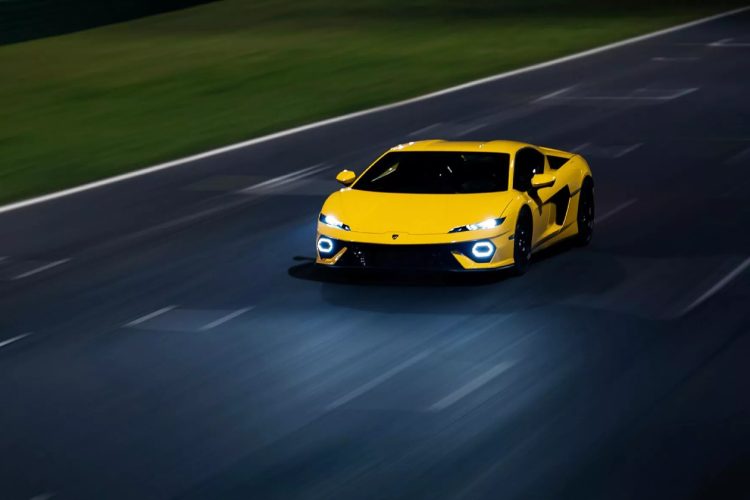
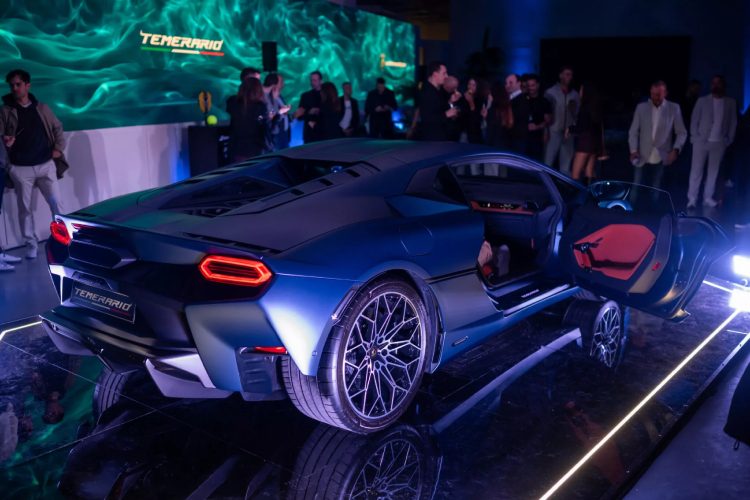
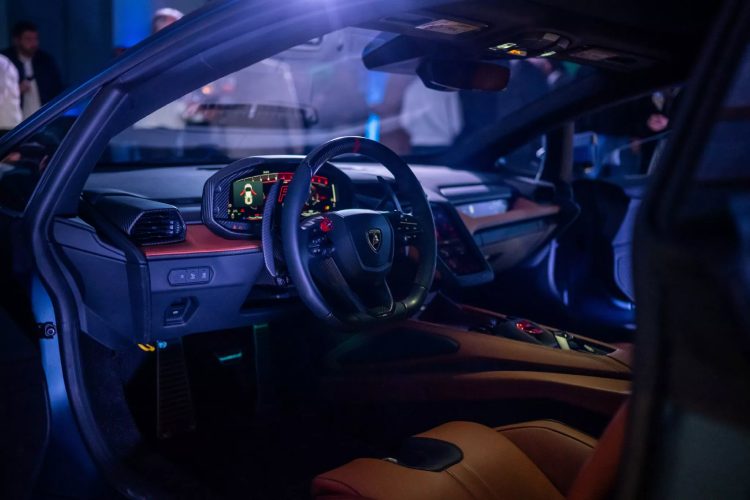
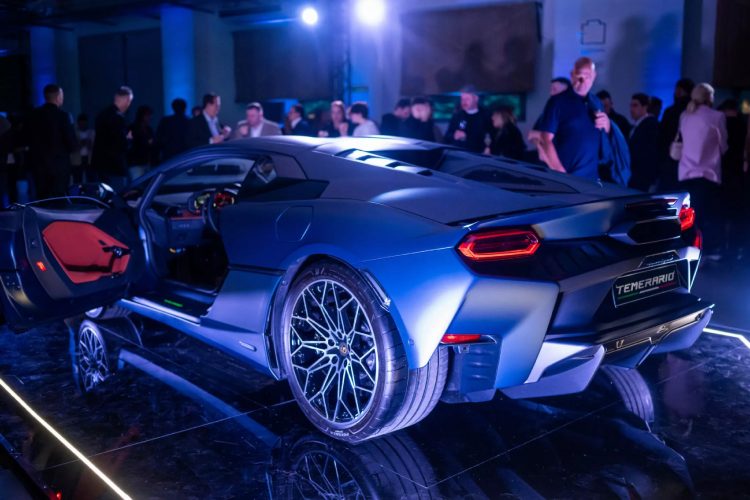
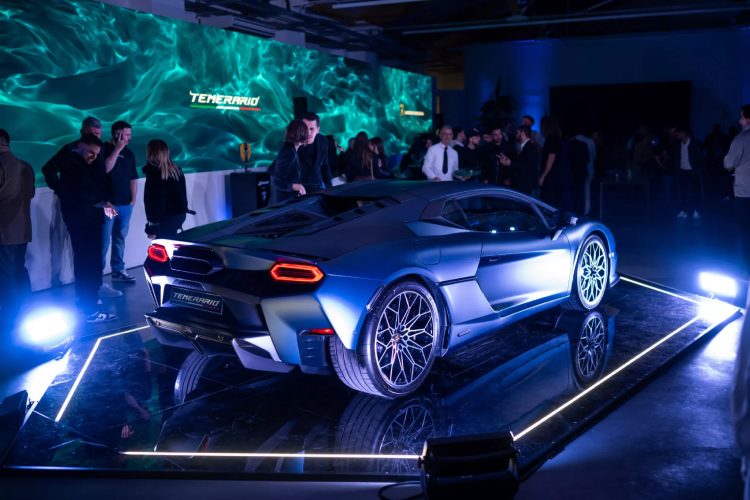
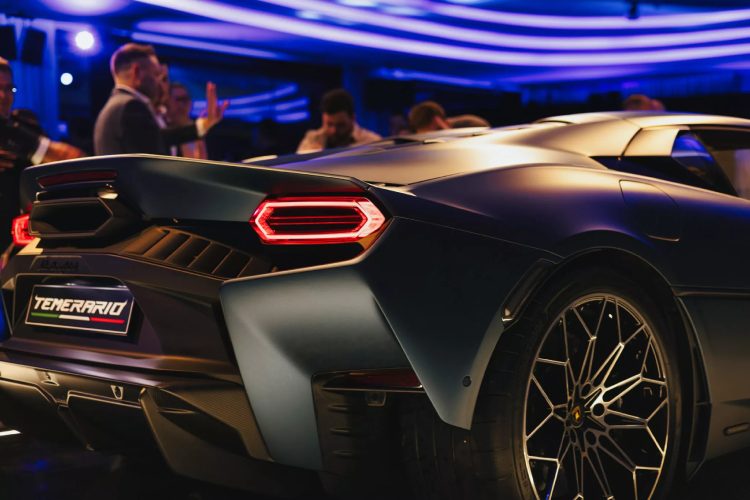
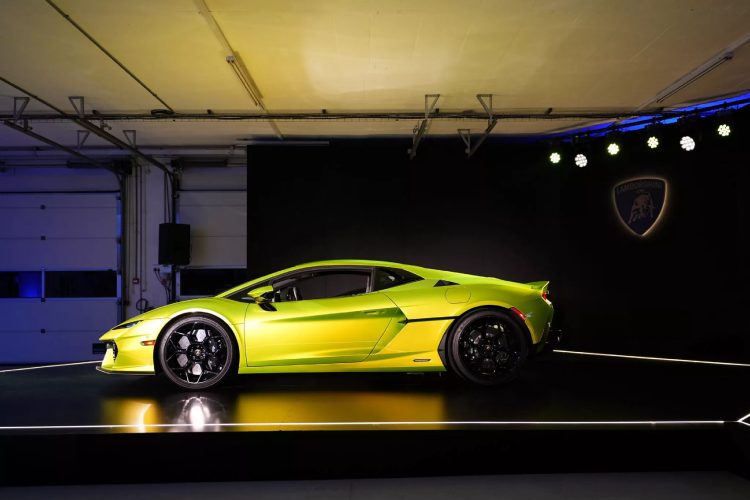
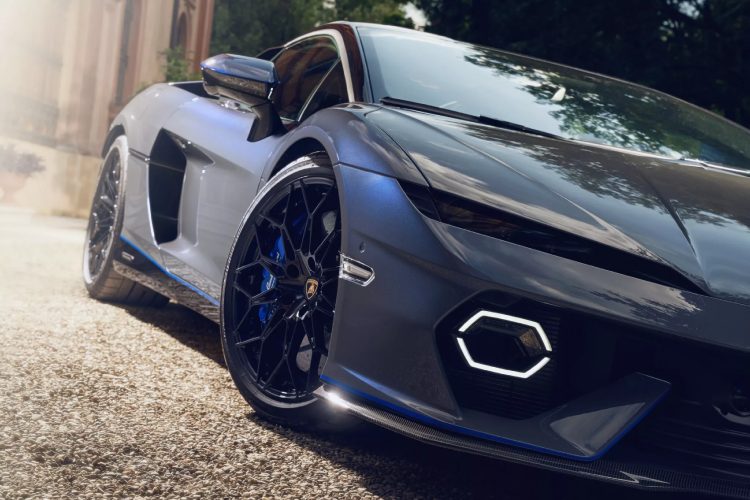
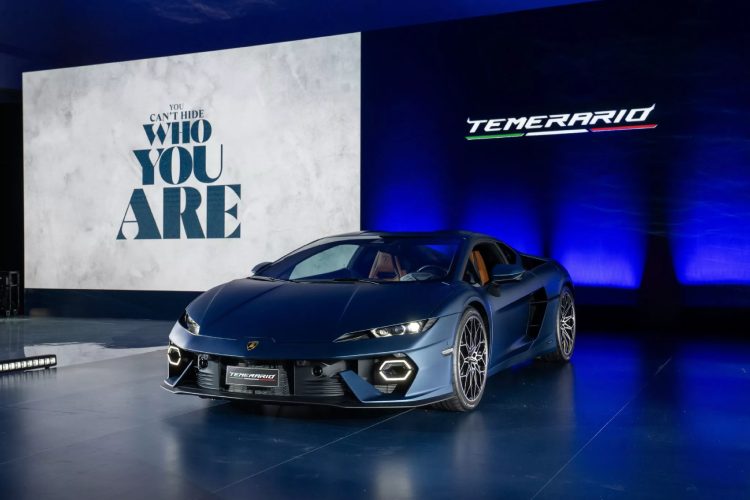
The hybrid Lamborghini Temerario, successor to the Huracán, doesn’t just push the limits of performance — it also pushes the needle on the scale. The latest supercar from Sant’Agata arrives with a surprisingly high curb weight, and not just in a figurative sense.
According to official figures, the dry weight stands at 1,690 kg. Once fluids are added and real-world measurements are taken into account, the Temerario edges dangerously close to a 2,000 kg curb weight. For a mid-engined supercar, that’s a number that’s hard to swallow. For context, the base Hummer H3 once tipped the scales at around 2,087 kg.
During testing by Autocar, a Temerario equipped with the Alleggerita package — a £37,000 option (around $50,700) that supposedly trims 25 kg — was weighed at 1,905 kg in running order. In other words, even after an expensive “diet,” the car remains decidedly heavy.
That makes the Temerario just 55 kg lighter than the Lamborghini Revuelto, despite the latter packing a significantly larger 6.5-liter naturally aspirated V12, compared to the Temerario’s 4.0-liter twin-turbo V8.
The contrast becomes even more striking when the Temerario is compared to its rivals. One of the lightest versions of the outgoing Huracán, the LP 580-2, had a dry weight of 1,389 kg — a full 300 kg less than the Temerario. With fluids, the Huracán weighed around 1,500 kg, making the gap between the previous and new generations impossible to ignore.
The hybrid competition only sharpens the picture:
-
Ferrari 296 GTB: approximately 1,648 kg curb weight — 257 kg lighter than the Temerario
-
McLaren Artura: just 1,552 kg, though with lower output (671 hp) compared to Ferrari’s 819 hp and Lamborghini’s 907 hp
Of course, the Temerario carries three electric motors and a battery pack, so it’s no surprise that it outweighs the naturally aspirated V10 Huracán. Early impressions suggest that the car disguises its mass well on the road. Still, the added weight likely means faster tire wear, reduced efficiency, and, in the event of a crash, significantly more energy that needs to be managed.
The question remains open:
Are modern supercars like the Temerario crossing a line when it comes to weight — or are the performance gains a fair trade-off?