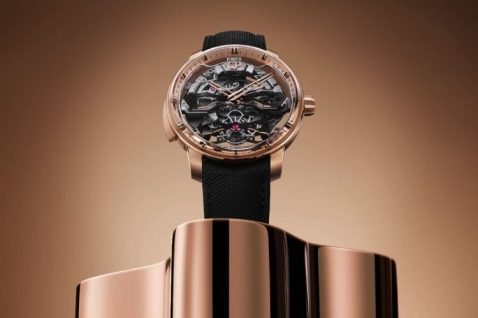
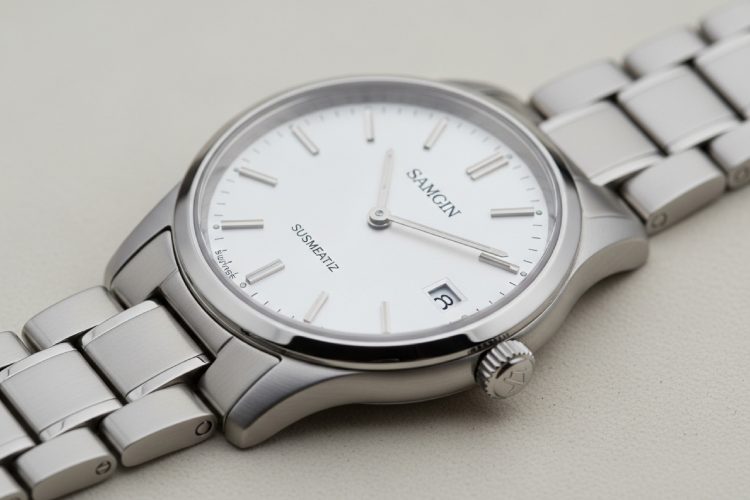
Luxury watches span an enormous range of prices, materials, movement types, and intended uses.
A structured buying framework helps cut through the noise, sidestep impulse decisions, and ensure your final choice delivers genuine satisfaction over the long haul. This guide walks through the essential criteria for comparing options, recognizing real value, and landing on a timepiece that fits your life.
Introduction
What Makes a Watch "Timeless"
Most buyers start their search with a familiar name — browsing rolex watches, for instance — only to realize fairly quickly that brand recognition alone doesn't answer the most important question: which watch is actually right for you?
Timeless design has little to do with price — it's about proportion, legibility, and restraint. Clean dials, well-balanced case sizes, classic color palettes, and an indifference to passing trends are the hallmarks of a watch that stays wearable across years, occasions, and contexts.
Key Takeaway: A timeless watch is one you can wear to a board meeting and a weekend dinner without it feeling out of place. What defines timelessness isn't cost or popularity — it's sustained relevance.
Key Factors to Evaluate Before Buying
Movement type is the foundation of any serious evaluation. Mechanical movements — manual or automatic — require periodic servicing, typically every three to five years, and offer a level of craftsmanship that many collectors genuinely prize. Quartz movements, on the other hand, prioritize accuracy and low maintenance. Neither is universally superior; it comes down to your own priorities.
Materials and build quality deserve equal scrutiny. Stainless steel offers excellent durability and corrosion resistance, while sapphire crystal resists scratching far more effectively than mineral glass. Water resistance ratings should match your actual intended use — a 30-meter rating, for example, is not appropriate for swimming.
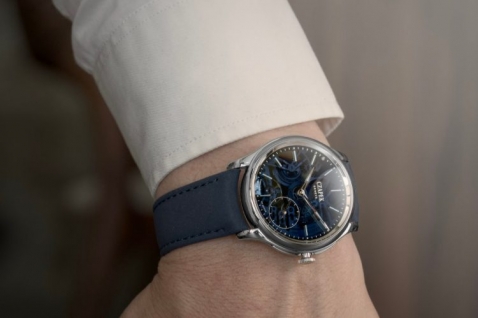
Case dimensions have a surprisingly large impact on daily comfort. Case diameter, thickness, and lug-to-lug length all determine how a watch actually sits on your wrist. A 42mm case can wear very differently depending on its lug-to-lug span, so never rely on diameter alone.
Brand reputation is worth evaluating, but through the right lens — historical consistency, quality of finishing, and the reliability of after-sales service matter far more than marketing narratives.
How to Match a Watch to Your Lifestyle
A professional wearing a watch every day needs something durable, versatile, and quietly stylish. A frequent traveler benefits from strong water resistance, scratch-resistant materials, and a dial that reads clearly in varied lighting. For formal settings, slim profiles and uncluttered dials pair far more naturally with tailored clothing. The point is simple: consider your actual routine before you commit to anything.
Understanding Value Without Focusing on Hype
What to Compare Before You Buy:
- Movement caliber and service interval
- Case and crystal materials
- Water resistance rating
- Warranty terms and authorized service network
- Specification sheets from primary sources
Price doesn't always reflect quality, and limited availability doesn't guarantee better ownership value. Focus on specifications, serviceability, and long-term maintenance costs rather than brand positioning or market buzz.
How to Research a Watch Responsibly
Start with brand specification sheets, independent watch publications, and authorized retailer descriptions. Verify case dimensions, movement caliber, materials, and warranty terms against primary sources before making any purchase. Any claim that can't be independently confirmed deserves a healthy dose of skepticism.
Common Mistakes Buyers Make
Buying for status rather than utility almost always produces a watch that doesn't suit your wardrobe or daily habits. Overlooking case size relative to your wrist leads to discomfort that compounds over time. And ignoring the full picture of ownership costs — servicing fees, insurance, strap replacement — can turn an exciting purchase into a financial burden down the road.
Care, Maintenance, and Long-Term Ownership
Maintenance Checklist:
- Store in a dry, padded case away from magnets
- Rinse after saltwater exposure if the watch is water-resistant
- Wind mechanical watches regularly when not worn daily
- Schedule professional servicing per manufacturer guidelines
- Have the crown and seals inspected if water resistance matters to you
A well-maintained mechanical watch can last generations. Consistent care preserves both its function and its appearance — and that's ultimately what makes these pieces worth owning.
When a Luxury Watch Is Worth the Investment
A luxury watch makes sense for long-term daily wear, milestone purchases, or when craftsmanship and heritage genuinely resonate with you. It's probably not the right call if you're chasing short-term trends, if practicality outweighs prestige in your priorities, or if the ongoing service costs aren't comfortably within your budget.
Making the Right Decision
The best luxury watch strikes a balance between timeless design, material quality, movement reliability, and real comfort on your wrist. Let objective criteria — dimensions, caliber, materials, service requirements — guide your decision rather than branding or popularity. Review the specifications carefully, try the watch on your wrist whenever possible, and buy with the long term in mind.