Photo: Pexels
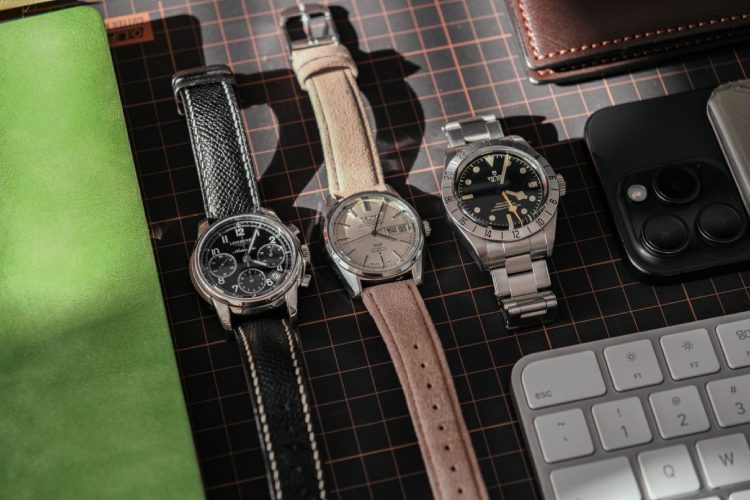
Most people buy a watch because they like the case, the dial or the reputation of the brand.
The strap often comes second, viewed as something that simply holds the watch on the wrist. In reality, it has a much greater influence than many owners realise. A different strap can change the overall look of a watch, improve comfort and make it feel suitable for occasions where you might not have worn it before.
This is particularly true for watches with a 20mm lug width. It is one of the most common sizes used by manufacturers, meaning there is no shortage of replacement options. Whether you own an Omega Seamaster, a Tudor Black Bay, a Longines Spirit, a Hamilton Khaki Field or a Seiko Prospex, changing the strap is one of the easiest ways to make the watch feel different without spending thousands on another model.
A surprising number of watch owners wear the same strap every day until it eventually wears out. They replace it with something almost identical and carry on as before. While there is nothing wrong with that approach, it also means missing an opportunity to get much more from the watch already sitting in the collection.
Choosing the Right 20mm Watch Strap
If your watch has a 20mm lug width, you have access to one of the widest selections of replacement straps available. A good 20 mm watch strap is not simply about matching the width correctly. The material, colour and finish all play a part in changing the character of the watch.
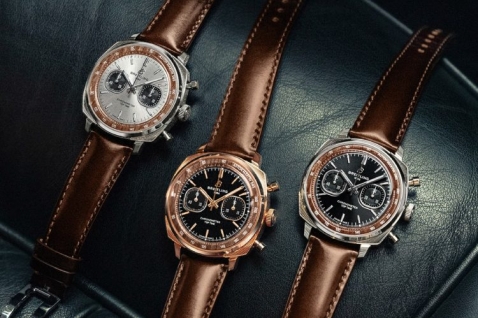
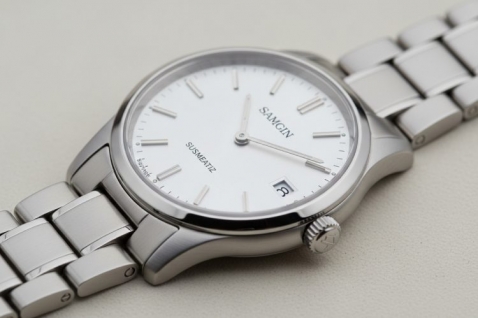
Take a classic black dial as an example. Pair it with smooth black leather and it looks smart enough for a suit. Replace that leather with dark brown and the same watch immediately feels more relaxed. Fit a textured rubber strap and it suddenly looks ready for a weekend away or a day by the coast. Swap again to a brushed steel bracelet and it has a completely different presence on the wrist.
Nothing about the movement or the case has changed, yet the watch feels almost new every time the strap changes.
That flexibility is one of the reasons many collectors own several straps for a single watch. Instead of buying another watch that offers only a slightly different look, changing the strap provides the same sense of variety at a fraction of the cost.
Different Materials Suit Different Situations
There is no single strap that works for every occasion. The best choice depends on where the watch is being worn and how it is used throughout the week.
Leather remains the first choice for many people because it looks smart without drawing too much attention. Good quality leather also changes with age, developing subtle marks and colour variations that give it more character over time. Many owners enjoy this natural ageing process because it reflects years of regular wear rather than looking worn out.
Rubber has changed considerably over the past decade. Older rubber straps were often stiff and associated mainly with sports watches. Modern versions are softer, lighter and much more refined. They are comfortable during warm weather, cope well with water and require very little maintenance. They also work surprisingly well on luxury watches, particularly dive models from brands such as Omega and Tudor.
Metal bracelets remain a popular option for people who want something that can be worn almost anywhere. They are durable, easy to clean and suit both casual and smart clothing. While they tend to add weight compared to leather or rubber, many people enjoy that solid feel on the wrist.
The important thing is not deciding which material is best overall, but which one suits your own routine.
Comfort Is Easy to Overlook
When buying a replacement strap, appearance usually comes first. Comfort often becomes an afterthought until the watch has been worn for several hours.
A well-made strap should sit naturally on the wrist without feeling stiff or awkward. The edges should be smooth, the lining should feel comfortable against the skin and the buckle should fasten securely without creating pressure points.
Length matters just as much as quality. A strap that is too long leaves an untidy tail, while one that is too short can make the watch sit unevenly. Spending a few minutes checking measurements before ordering often makes a noticeable difference once the watch is worn every day.
People are sometimes surprised at how much lighter a watch feels after changing from a steel bracelet to leather or rubber. Others find the opposite, preferring the reassuring weight of a bracelet after wearing leather for years. There is no right or wrong answer, which is why experimenting with different options is worthwhile.
Small Details Make a Big Difference
The colour of the strap has a greater effect than many people expect. Even when the watch itself remains unchanged, different colours create completely different impressions.
Black is often chosen because it works with almost every dial and every wardrobe. Brown feels warmer and pairs especially well with cream, silver and blue dials. Navy has become increasingly popular because it adds colour without standing out too much, while darker green works particularly well with field watches and military-inspired designs.
Even the finish of the leather changes the overall look. Smooth leather creates a cleaner appearance, while grain leather introduces more texture. Suede offers something softer and less formal, making it a popular choice during autumn and winter.
These are relatively small changes, yet together they can make a watch feel as though it belongs in an entirely different collection.
Buying Quality Usually Saves Money
It is tempting to choose the cheapest replacement strap available, especially when buying online. Unfortunately, the difference in quality often becomes obvious quite quickly.
Lower quality leather can become dry and crack after regular use. Cheap rubber may lose its flexibility or attract dust. Poor stitching can begin to fray, while lower quality buckles may show scratches within a short period of time.
A well-made strap generally lasts much longer, feels better on the wrist and continues looking good after months or even years of wear. When spread over that length of time, the extra cost often works out to be surprisingly small.
Looking after the strap also helps. Leather benefits from being kept dry where possible and wiped clean occasionally. Rubber can simply be rinsed after swimming or exercising. Metal bracelets need the occasional clean between the links, where dirt naturally builds up over time.
None of this takes much effort, but it helps the strap continue looking its best.
One Watch Can Do More Than You Think
Many people assume they need several watches to cover different occasions. In reality, a single watch fitted with different straps can often do exactly the same job.
A Hamilton Khaki Field that spends Monday to Friday on brown leather can look equally at home on canvas during a countryside walk at the weekend. A Seiko diver worn on a steel bracelet throughout winter can feel completely different on a blue rubber strap during a summer holiday. The watch stays the same, but its personality changes with every swap.
That is why replacing a strap remains one of the simplest upgrades any watch owner can make. It is practical, relatively affordable and gives a favourite watch another reason to stay on the wrist for years to come.