More photos
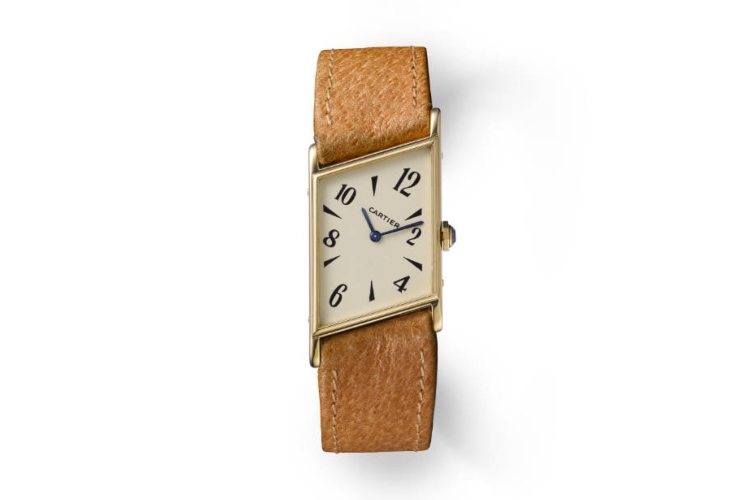
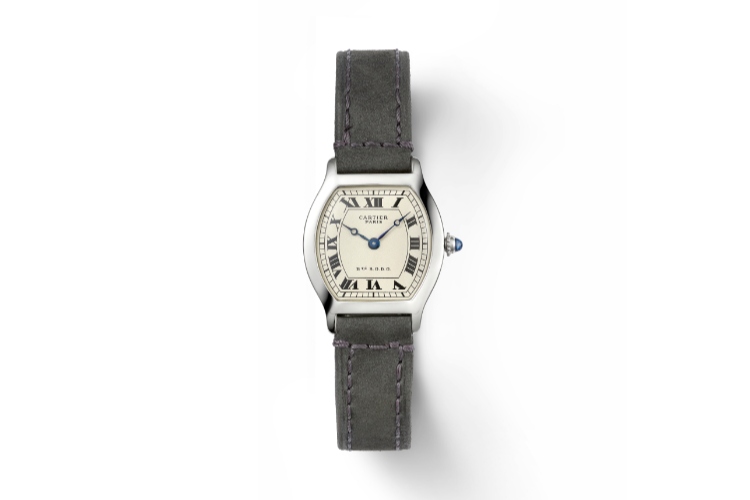
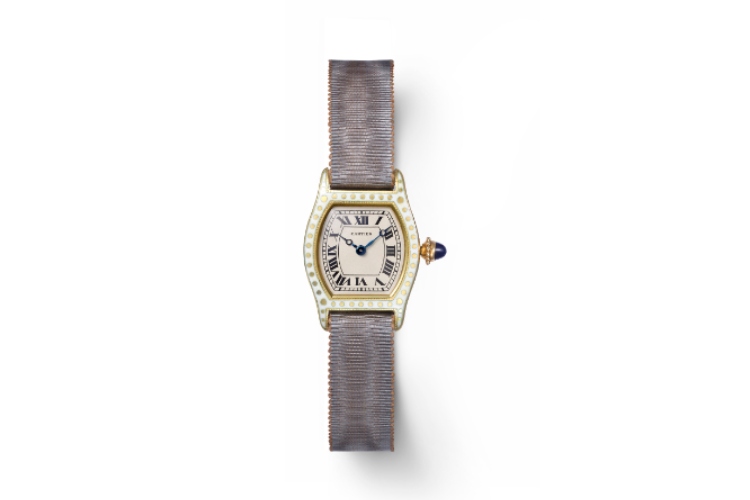
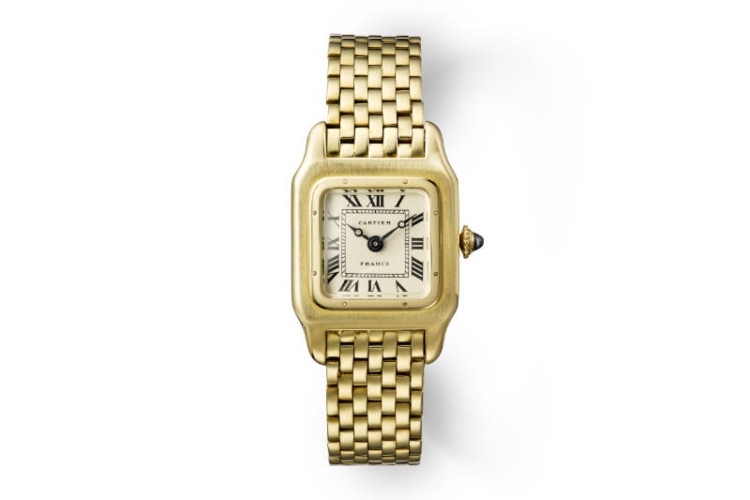
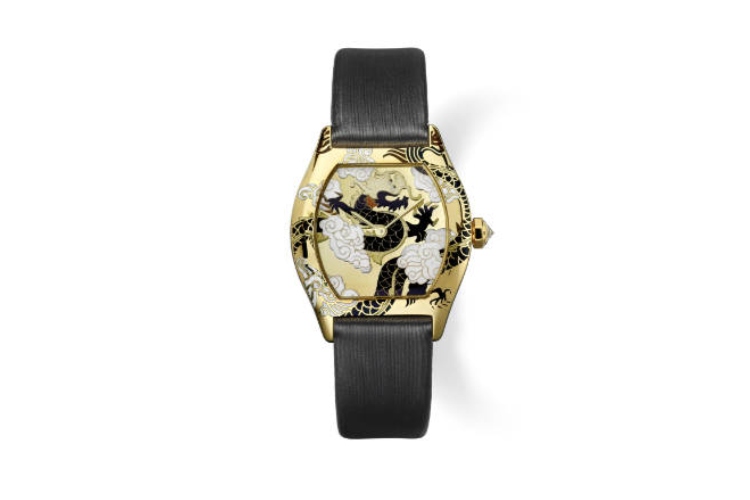
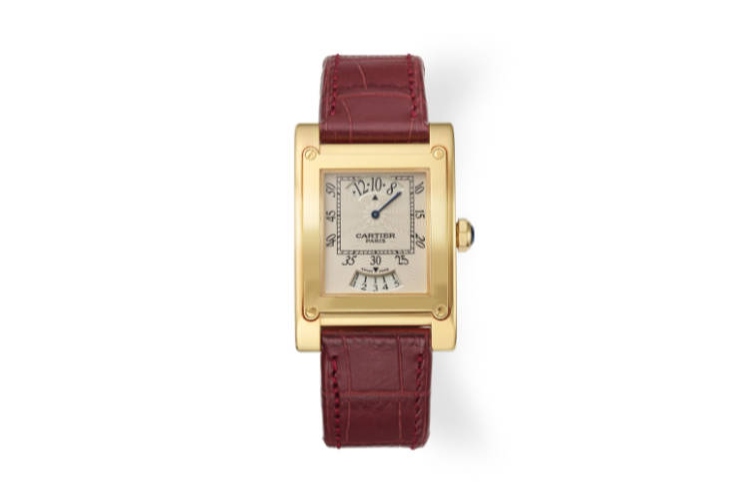
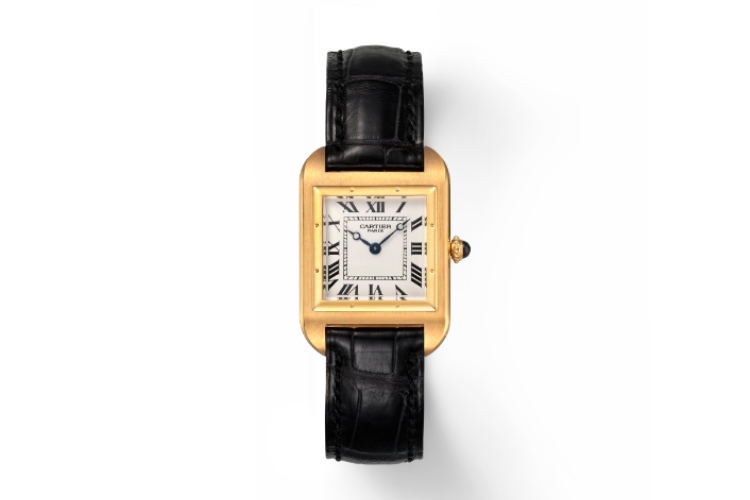
French luxury house Cartier presented "Watchmaker of Shapes, Master of Crafts" in Geneva, an exhibition dedicated to its extraordinary horological heritage. Featuring 22 historic timepieces spanning the early 20th century to contemporary creations, the exhibition offered visitors an opportunity to discover the evolution of iconic models such as Tank, Tortue, Tonneau, and Crash, alongside the latest interpretations from the prestigious Cartier Privé collection.
When it comes to luxury watches, Cartier occupies a distinctive position in the world of haute horlogerie. Unlike traditional watchmakers that have primarily relied on round cases, the French luxury house has built its identity around unconventional shapes, architectural proportions, and innovative design.
This philosophy was at the heart of "Watchmaker of Shapes, Master of Crafts," an exhibition held from October 7 to 10, 2026, at the Cartier boutique located at 35 Rue du Rhône in Geneva.
Bringing together 22 historic timepieces, the exhibition offered a fascinating journey through more than a century of creativity, technical innovation, and exceptional craftsmanship.
It also demonstrated how Cartier's unmistakable design language has evolved over generations while preserving the artistic principles that have made its watches some of the most recognizable in the world.
From Tank to Crash: Watches That Changed the History of Design
Throughout its history, Cartier has demonstrated that a watch can be much more than an instrument for measuring time.
Its most celebrated models have become iconic precisely because their cases challenge traditional watchmaking conventions.
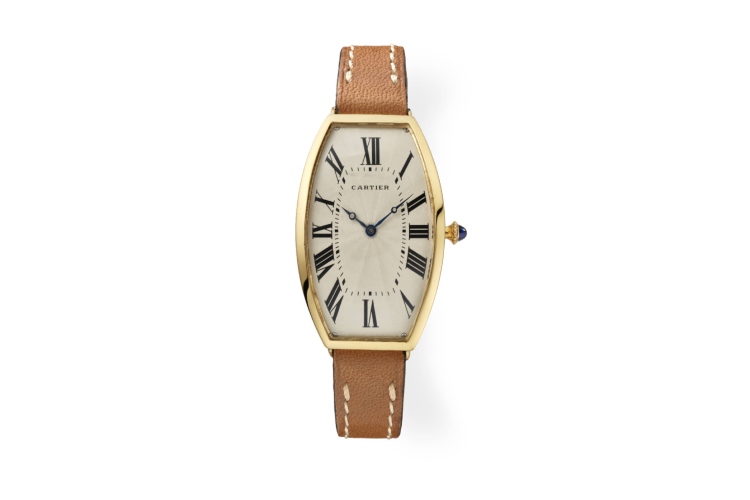
Among the oldest pieces displayed was the Tonneau from 1908, whose elongated, curved case represents one of the earliest examples of Cartier's revolutionary approach to wristwatch design.
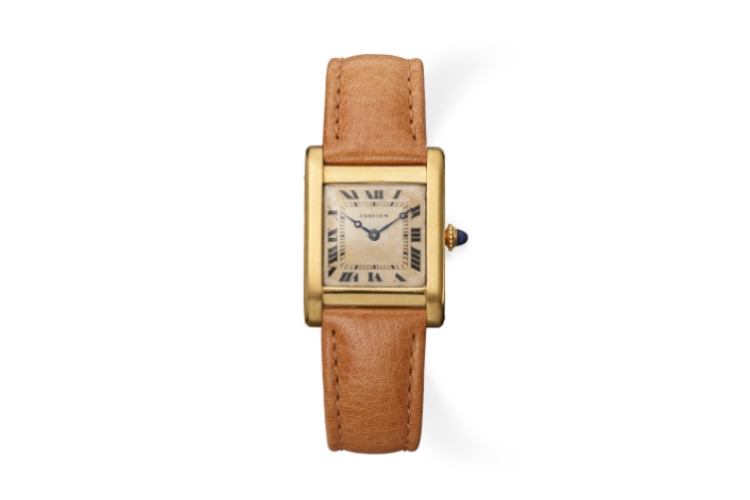
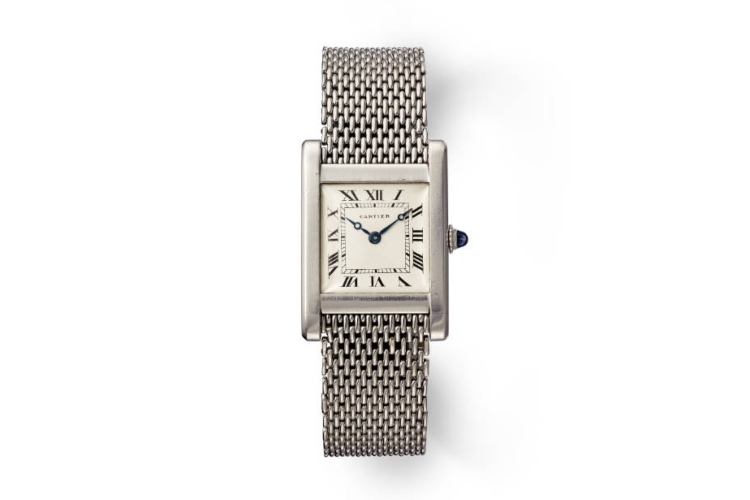
Particular attention was also devoted to historic examples of the Tortue from 1919 and 1922, alongside Tank watches dating from 1920 and 1927.
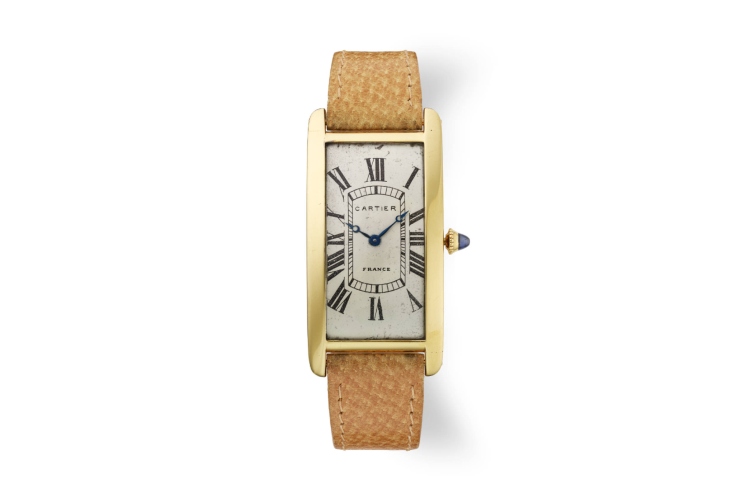
The Tank Cintrée from 1936 illustrated how Cartier successfully combined elongated proportions with elegant curves that naturally follow the contours of the wrist.
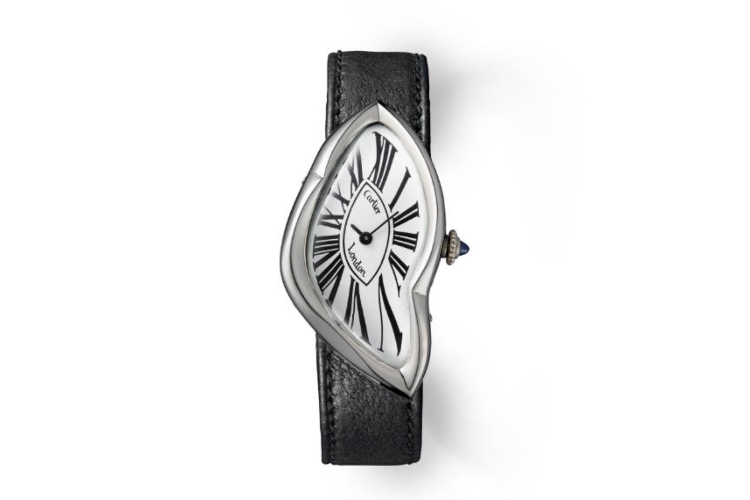
Among the most unconventional creations was the legendary Crash, represented at the exhibition by a Cartier London example from 1990.
Its asymmetrical, almost melted-looking case remains one of the boldest design statements in the history of luxury watchmaking.
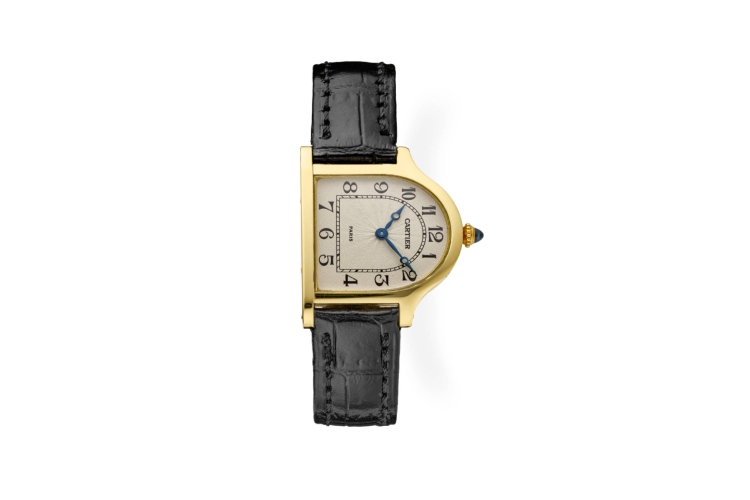
The exhibition also featured Cloche, Santos, Tank à Guichets, and other rare timepieces that reflect the brand's continuous creative evolution.
Together, these watches demonstrate Cartier's remarkable ability to transform geometric experimentation into timeless elegance, establishing a visual identity that remains immediately recognizable decades after each model's introduction.
Cartier Collection: More Than 3,500 Historic Creations
An important part of the exhibition consisted of pieces from the Cartier Collection, an archival collection established in 1983 to preserve the house's rich artistic and craftsmanship heritage.
Today, this remarkable collection comprises more than 3,500 objects dating from 1847 to the present day.
Among them are approximately 1,350 watches and clocks, including nearly 1,000 wristwatches.
The collection is far more than a historical archive. It also serves as an invaluable source of inspiration for contemporary Cartier designers.
By preserving original models, technical documentation, and decorative techniques, the house continues to develop its distinctive aesthetic while establishing a meaningful dialogue between tradition and modern innovation.
The historical pieces reveal how Cartier has consistently approached watchmaking from an artistic perspective, treating each timepiece as an object in which form, function, and craftsmanship must exist in perfect harmony.
This commitment to preserving its heritage ensures that even the most experimental contemporary creations remain connected to the design philosophy that shaped the brand's earliest wristwatches.
Cartier Privé: Three Legendary Models Reimagined in Platinum
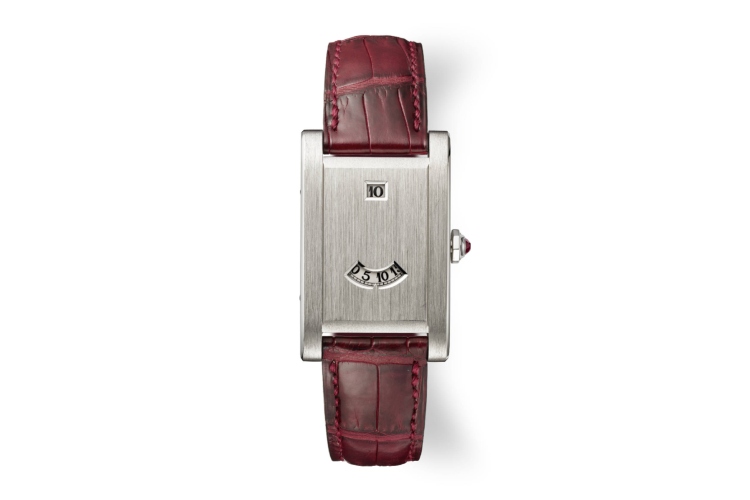
One of the most significant highlights of the Geneva exhibition was the presentation of the tenth edition of the Cartier Privé collection.
Launched in 2015, this exclusive line is dedicated to reinterpreting some of the most important models in the brand's history, with particular emphasis on exceptional watchmaking expertise and limited production.
The tenth edition introduces three recognizable silhouettes.
The Tank Normale represents the very essence of Cartier design, combining architectural simplicity with timeless elegance.
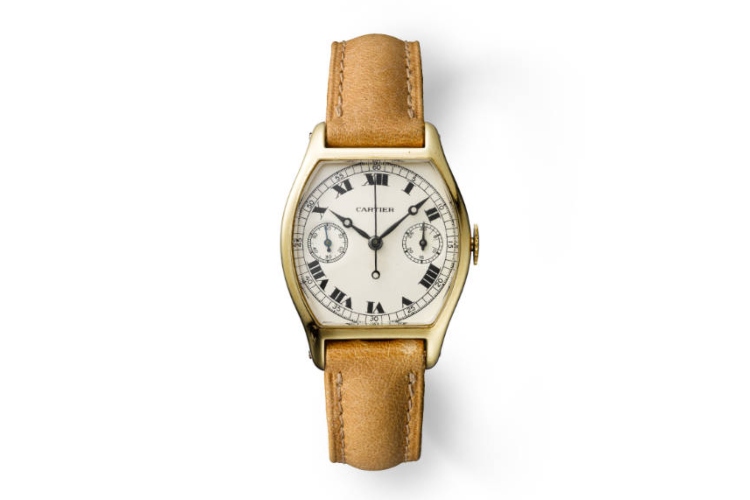
The Tortue Chronographe Monopoussoir offers a sophisticated single-pusher chronograph inspired by the house's historic watchmaking creations.
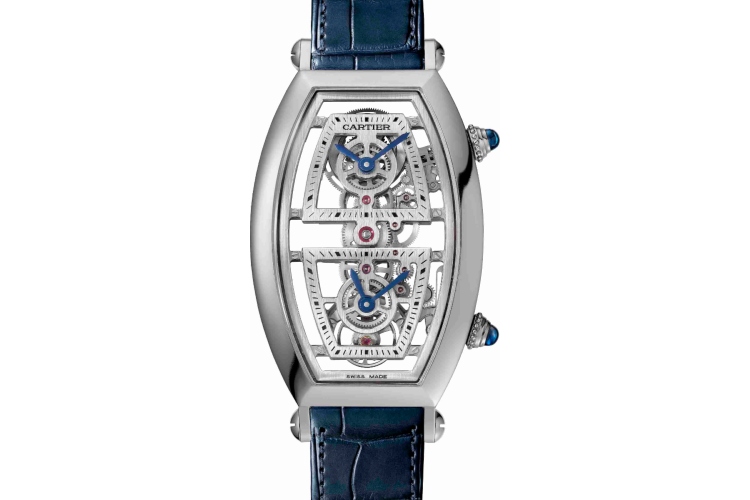
The Crash Squelette presents a striking skeletonized interpretation of one of the most unconventional watches ever created by Cartier.
All three models were presented in platinum, complemented by burgundy-colored details that establish an elegant connection between traditional design and contemporary aesthetics.
The use of this precious metal further emphasizes the exclusivity of the collection, while the carefully selected decorative accents introduce a refined visual contrast.
These creations demonstrate that historic designs do not need to remain confined to museum displays.
Instead, they can provide the foundation for new horological expressions that combine recognizable silhouettes with contemporary technical expertise and exceptional craftsmanship.
Where High Jewelry Meets Haute Horlogerie
One of the defining characteristics of Cartier's identity is its ability to combine watchmaking precision with the artistry of high jewelry.
Gold, platinum, precious gemstones, and decorative details have always played an important role in the design of the house's timepieces.
However, for Cartier, the shape of a watch case has never been merely an aesthetic consideration.
Its proportions directly influence the construction of the movement, the arrangement of the dial, and the way the watch sits on the wrist.
For this reason, each model represents a carefully considered combination of technical innovation, craftsmanship, and artistic vision.
The relationship between form and function becomes particularly evident in watches with unconventional cases, where the mechanical components must be adapted to the designer's creative intentions.
From the elegant curves of the Tortue to the experimental silhouette of the Crash, Cartier demonstrates how watchmaking can become a form of wearable art.
This distinctive approach has allowed the house to occupy a unique position between traditional Swiss watchmaking and the creative universe of French luxury jewelry.
A Heritage That Continues to Shape the Future
The "Watchmaker of Shapes, Master of Crafts" exhibition offered a unique opportunity to explore Cartier's horological history through timepieces that have challenged the boundaries of design for more than a century.
From the Tonneau of 1908 to the contemporary creations of Cartier Privé, each watch reveals a different approach to shape, proportion, and mechanical precision.
The exhibition also highlighted the enduring relevance of Cartier's design philosophy, demonstrating that true innovation does not always require abandoning the past.
Instead, it can emerge through the reinterpretation of familiar forms, the refinement of traditional techniques, and the exploration of new possibilities within an established creative language.
For collectors and enthusiasts of fine watchmaking, these historic pieces represent much more than valuable objects. They offer a glimpse into the artistic evolution of a house that has consistently challenged expectations and transformed the perception of what a wristwatch can be.
Cartier once again confirms that the true value of a luxury watch cannot be measured exclusively by the complexity of its movement or the preciousness of its materials.
Its lasting significance also lies in its ability to become a timeless symbol of design, innovation, and extraordinary craftsmanship.